








Boku.
Corporate website redesign & development for a global payment network


Boku is the global payments network that connects global merchants to Digital wallets, real-time transfers, and direct carrier billing, pairing that network with bundling and money movement to help them grow in every desirable market.
Boku’s network is proven at scale, reaching 7.5 billion consumer payment accounts with more than 100 million monthly users transacting via its platform. The company provides 200+ local payment methods and supports more than 40 million active bundled subscriptions across 60+ countries.
Founded in 2008, Boku is headquartered in London, UK, with offices across North America, Asia‑Pacific, Europe and Latin America, and listed on the AIM market of the London Stock Exchange.
Turn a new brand into a website that lives up to it
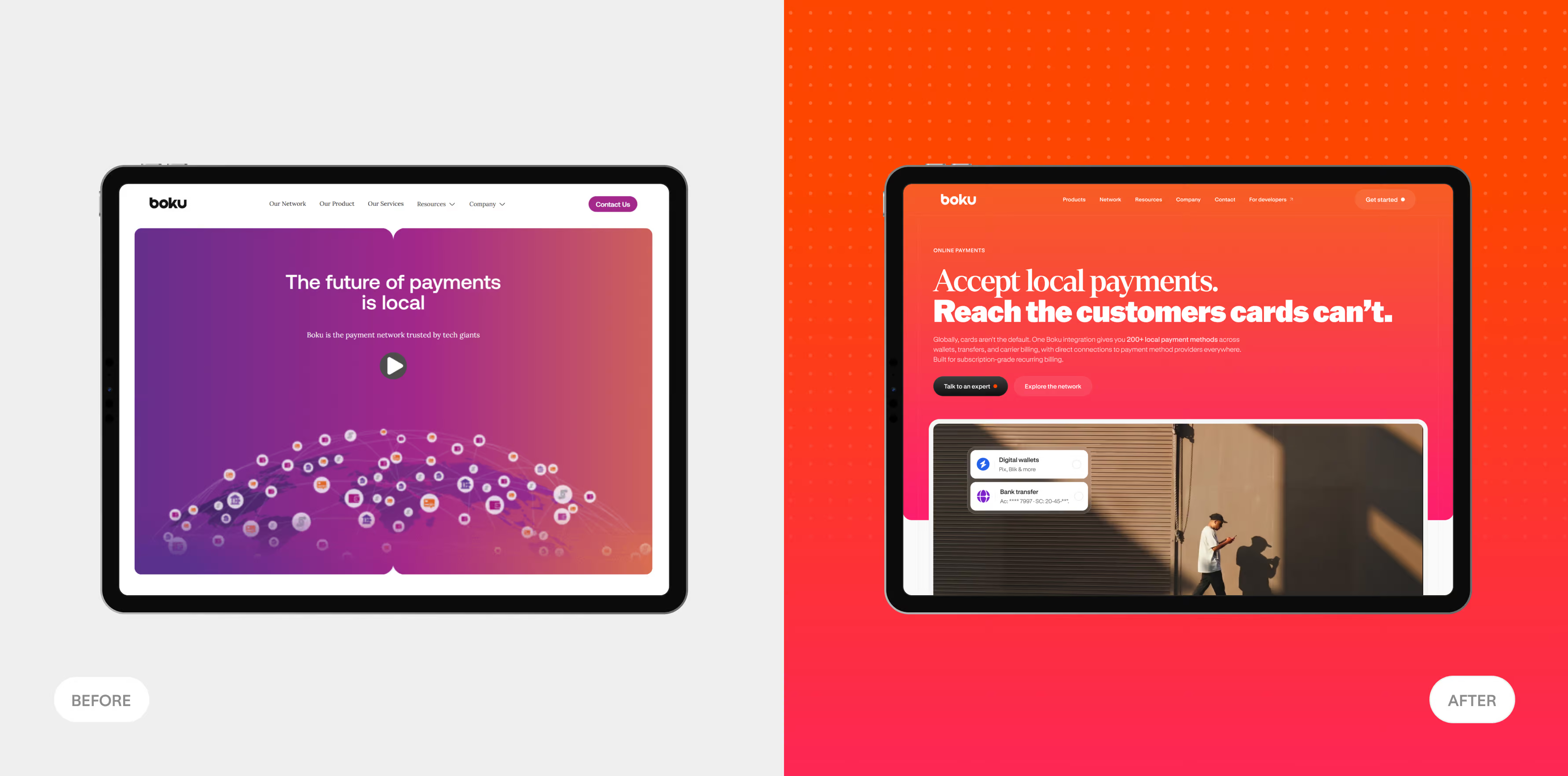
Boku had a new brand identity and needed a website to turn it into a complete digital experience. Moreover, their previous website felt outdated compared to the company’s business level.
Our team should have translated the new visual direction into a cohesive multi-page corporate website that works for diverse product areas.
Give the marketing team the ability to manage the website
The client needed a website to give the marketing team control over day-to-day updates.
The initial priority was an MVP with editable core pages, working web forms, UTM tracking, and custom campaign flows. Investor relations and API documentation, featuring another agency, would be integrated into the main website later.
Came up with a tight development window
Discovery revealed that the project required nearly 50% more work than the initial brief anticipated. We adjusted the design process and completed the phase almost entirely within the original budget.
The expanded scope put development under pressure — the website had to go live in just four and a half weeks. Together with the client, we increased the dev team from one engineer to three.
A flexible corporate website built around Boku’s new brand
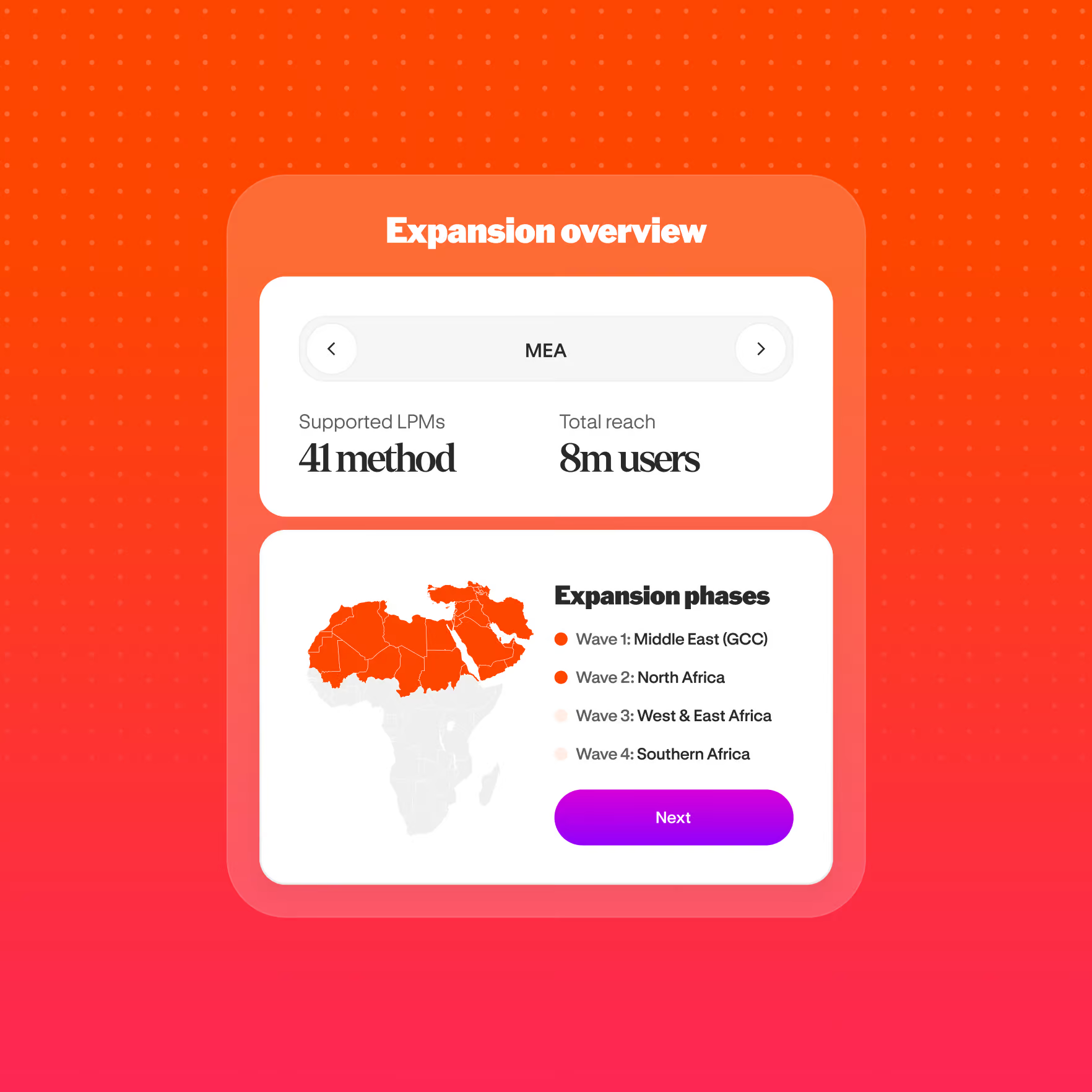
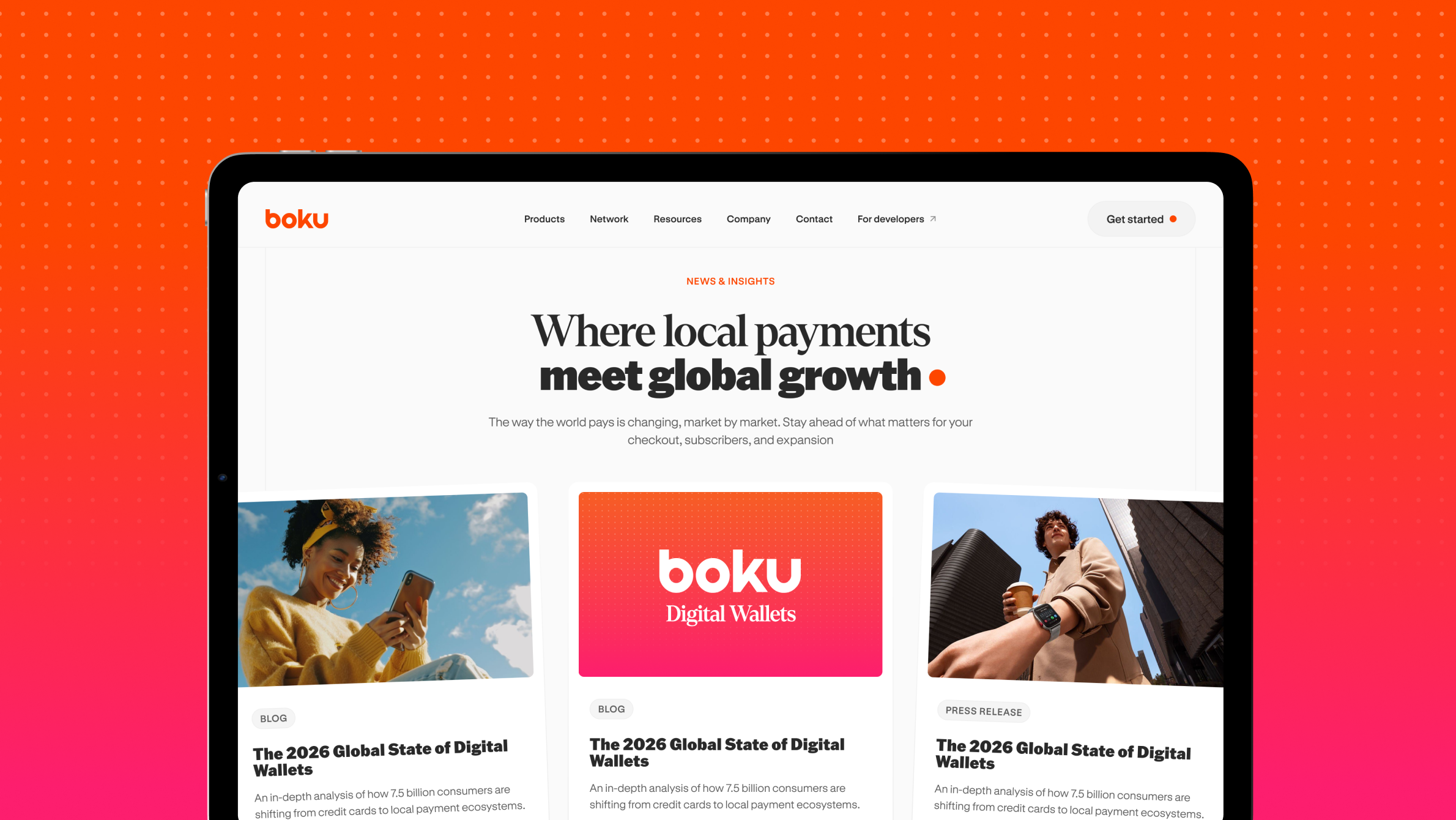
The new Boku brand became the starting point for a complete website experience — from UX architecture and visual design to WordPress development. We designed and built a responsive website with reusable page structures, a flexible CMS, and dedicated product pages for Boku’s local payment methods.
The website also connects the experience with Boku’s marketing workflow. We migrated the existing content, set up forms, CRM integrations, analytics, SEO, and UTM tracking, and built campaign flows for future marketing activity.
The result is a website that gives Boku’s marketing team control over day-to-day content and campaigns, while the underlying structure makes it easier to add pages, products, and new content as the website evolves.






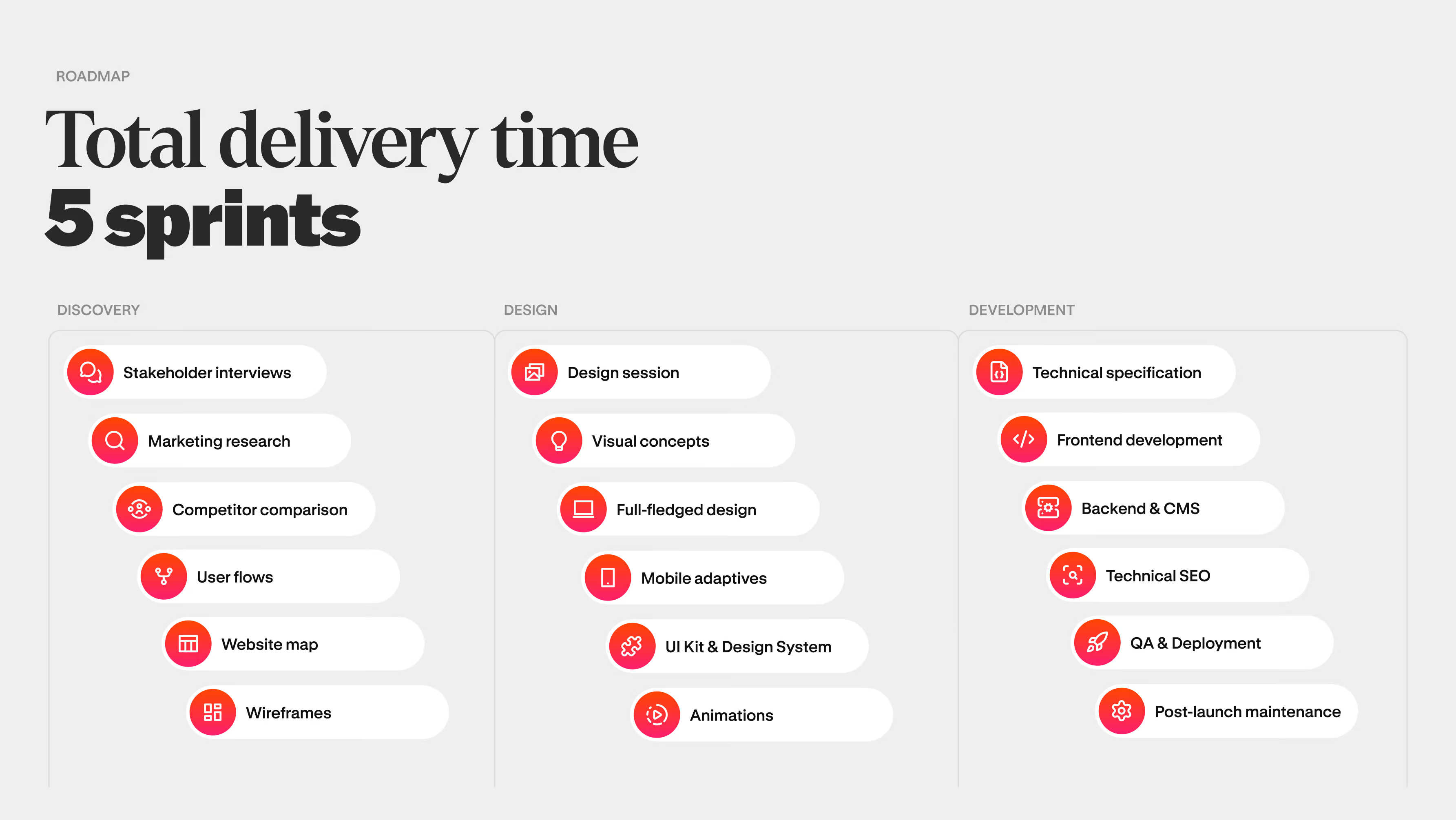
Discovery phase & UX research
Market & competitor research
The brief called for a website refresh, but the real task was bigger: make Boku easier to understand in a crowded payments market. We looked at competitor websites to see how they structure information, present payment products, and use visual cues to guide visitors. That gave us a clearer view of what the new site needed to communicate — and where it could take a different route.
UX architecture & user flows
Once the direction was clear, we mapped out how people would move through the site. The sitemap and wireframes defined the main journeys, page hierarchy, and content structure before visual design began. The goal was simple: make a complex payment offering easier to navigate and easier to act on.
Visual concept creation
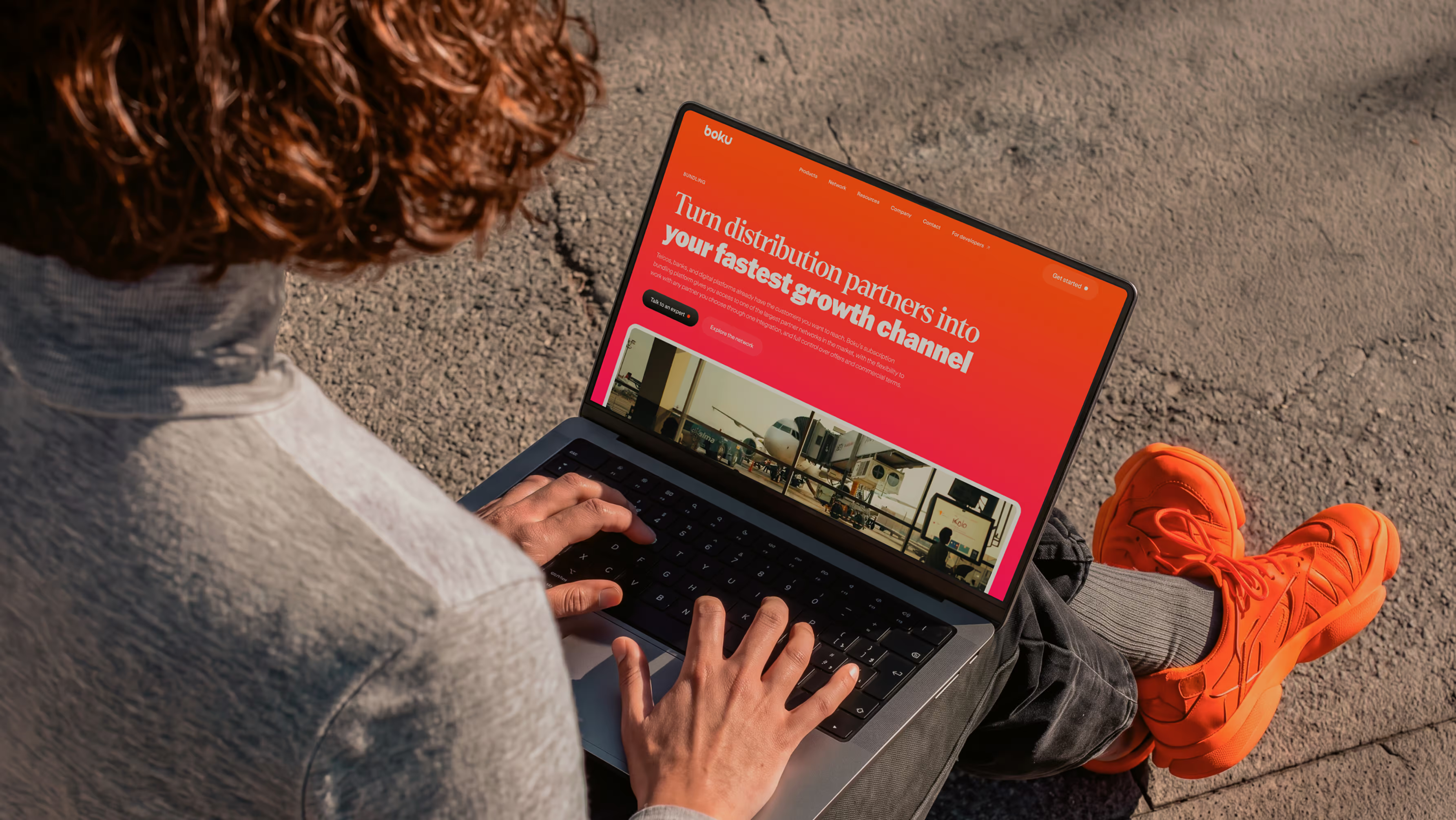
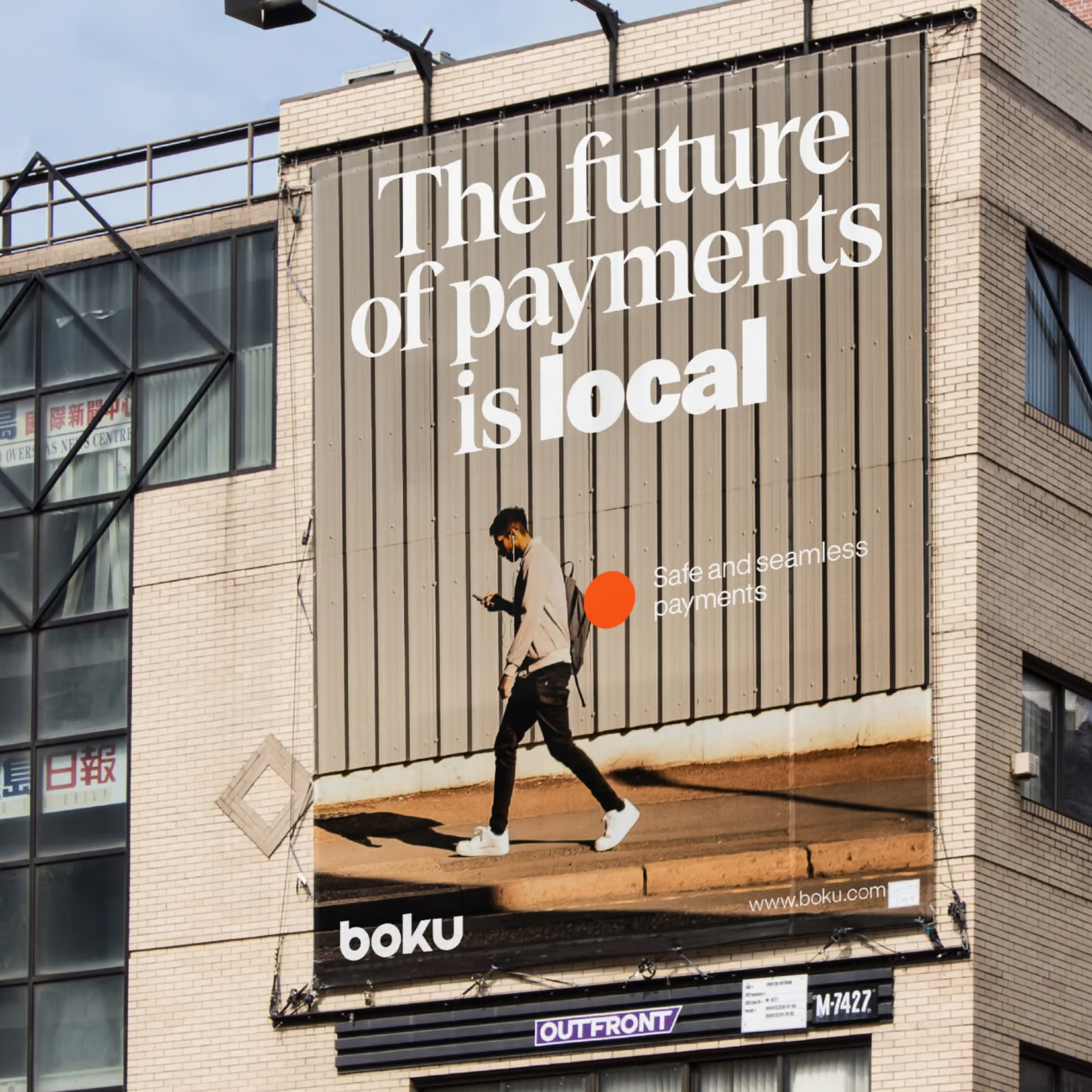
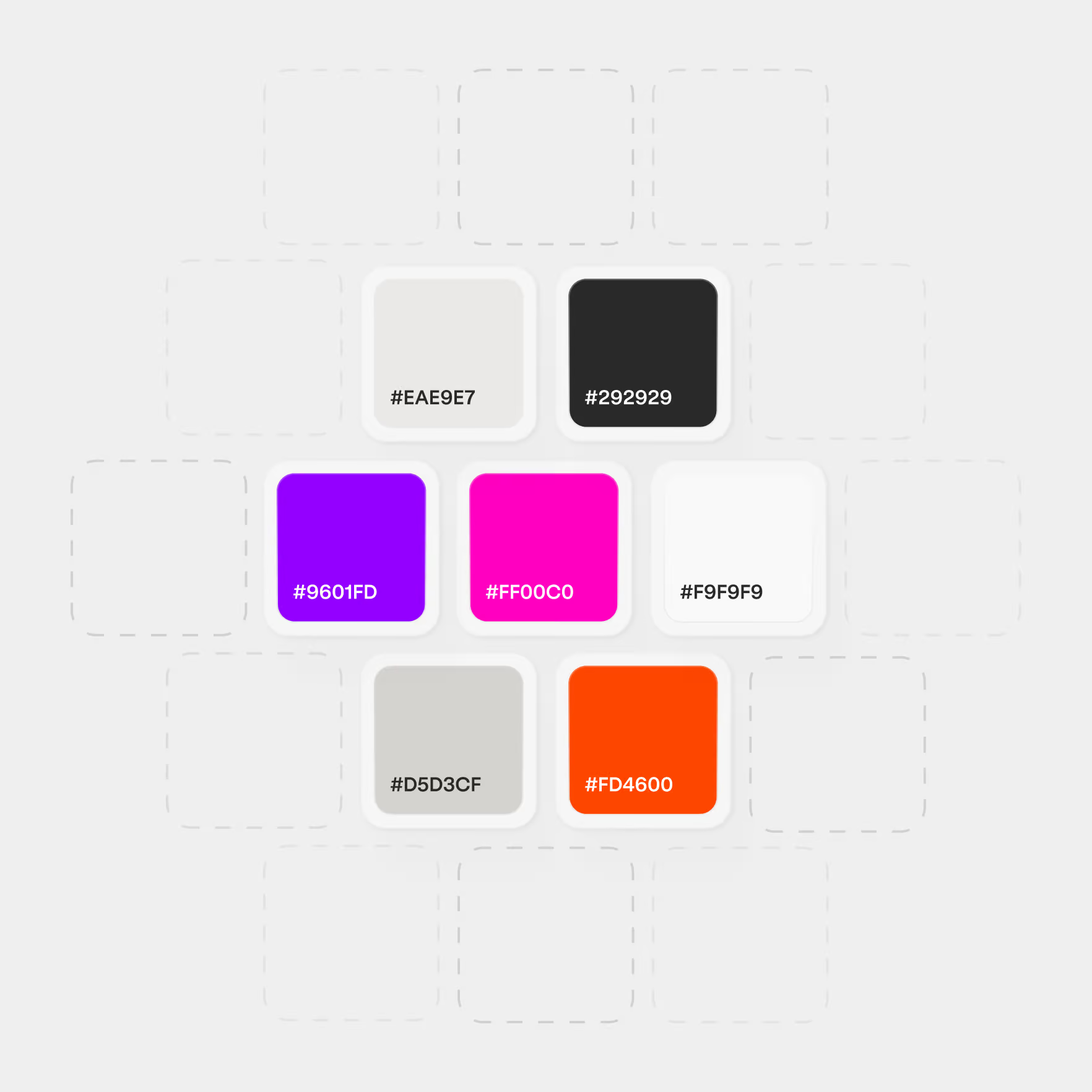
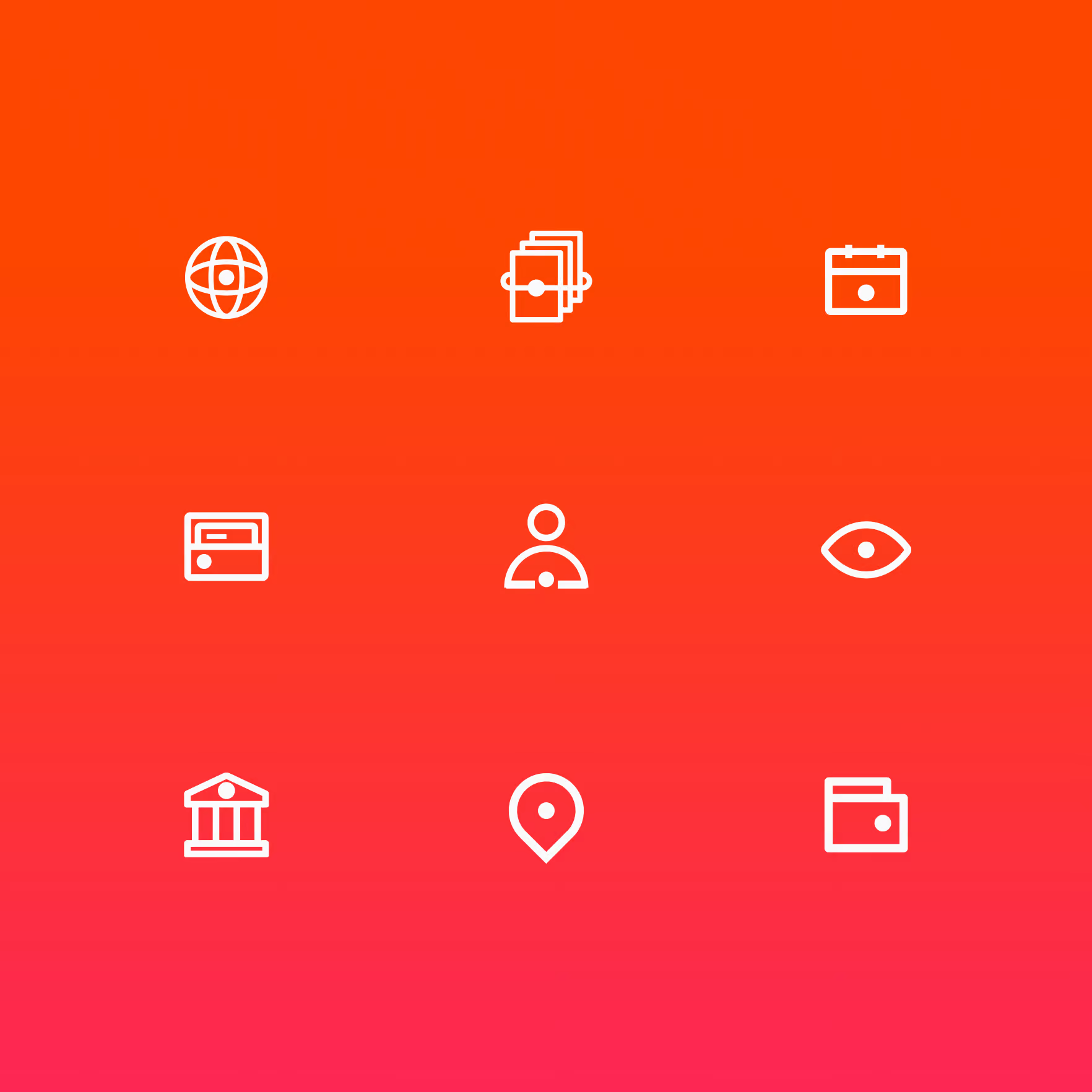
Boku's refreshed visual identity, created by Stereo Creative, provided a strong starting point. Their work introduced a distinctive visual language centered on Boku's global reach and local payment expertise. Our task was to bring that identity to the website, exploring how its typography, colors, and graphic elements would work across different pages and user journeys.
UI design & responsive layouts
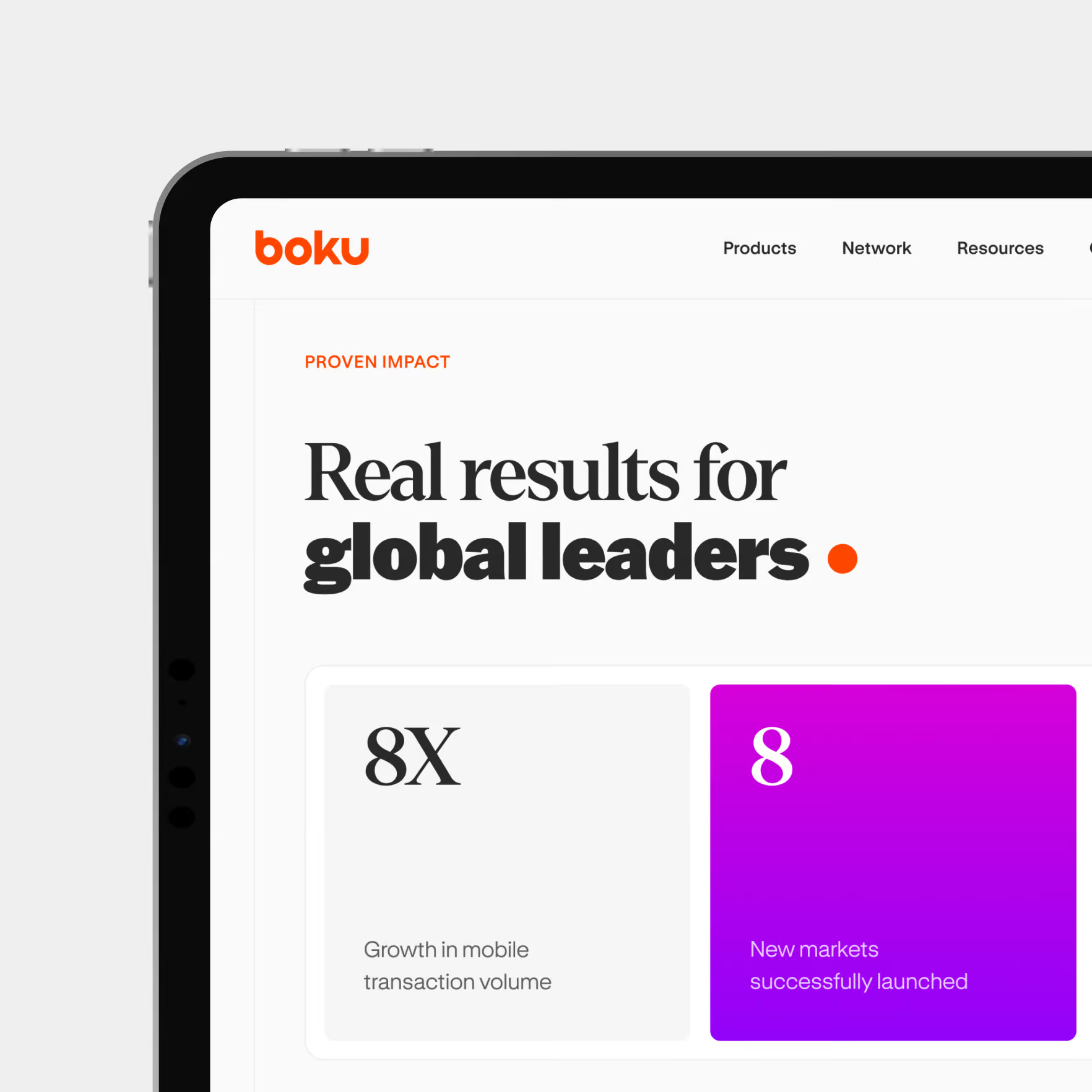
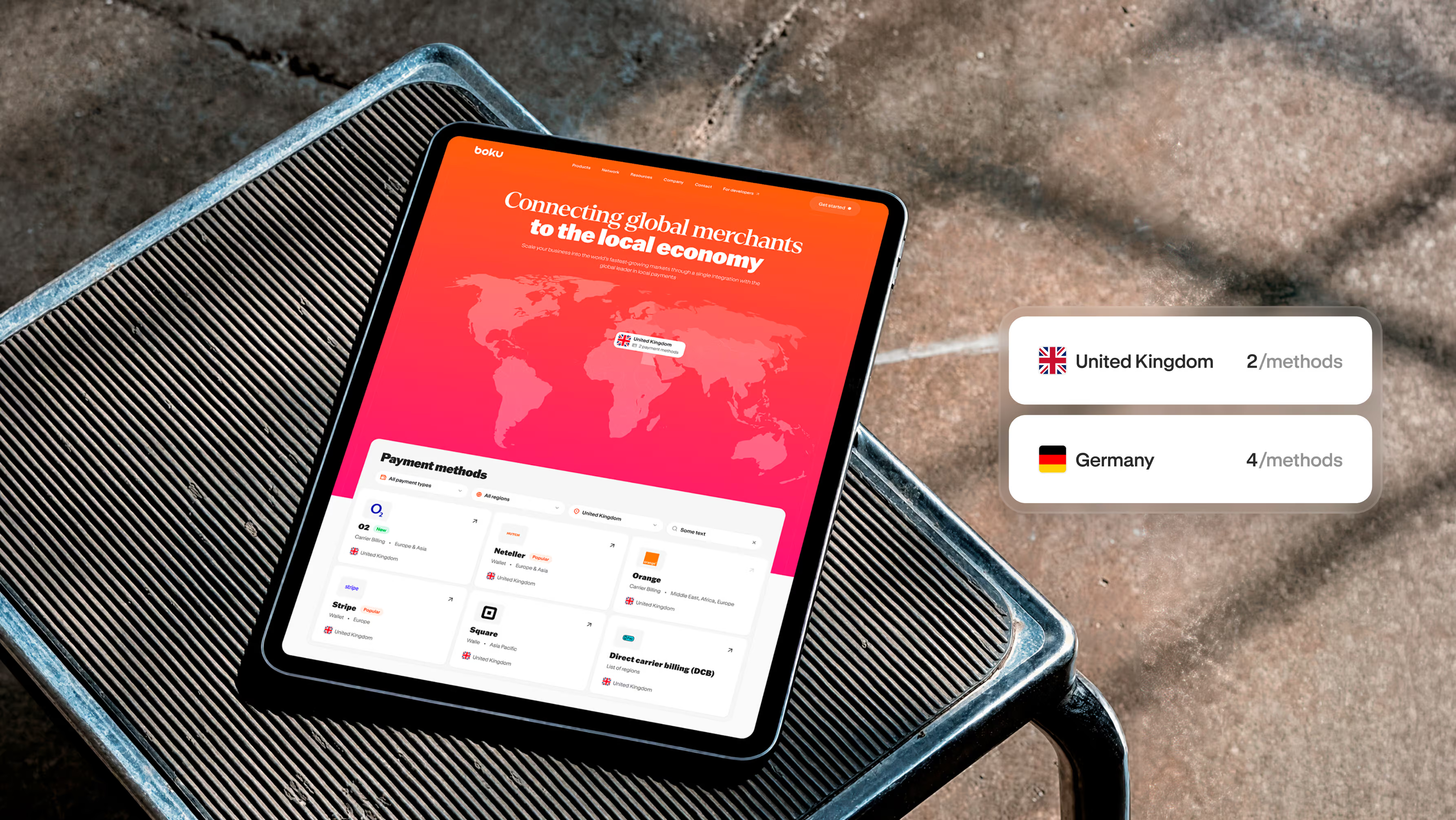
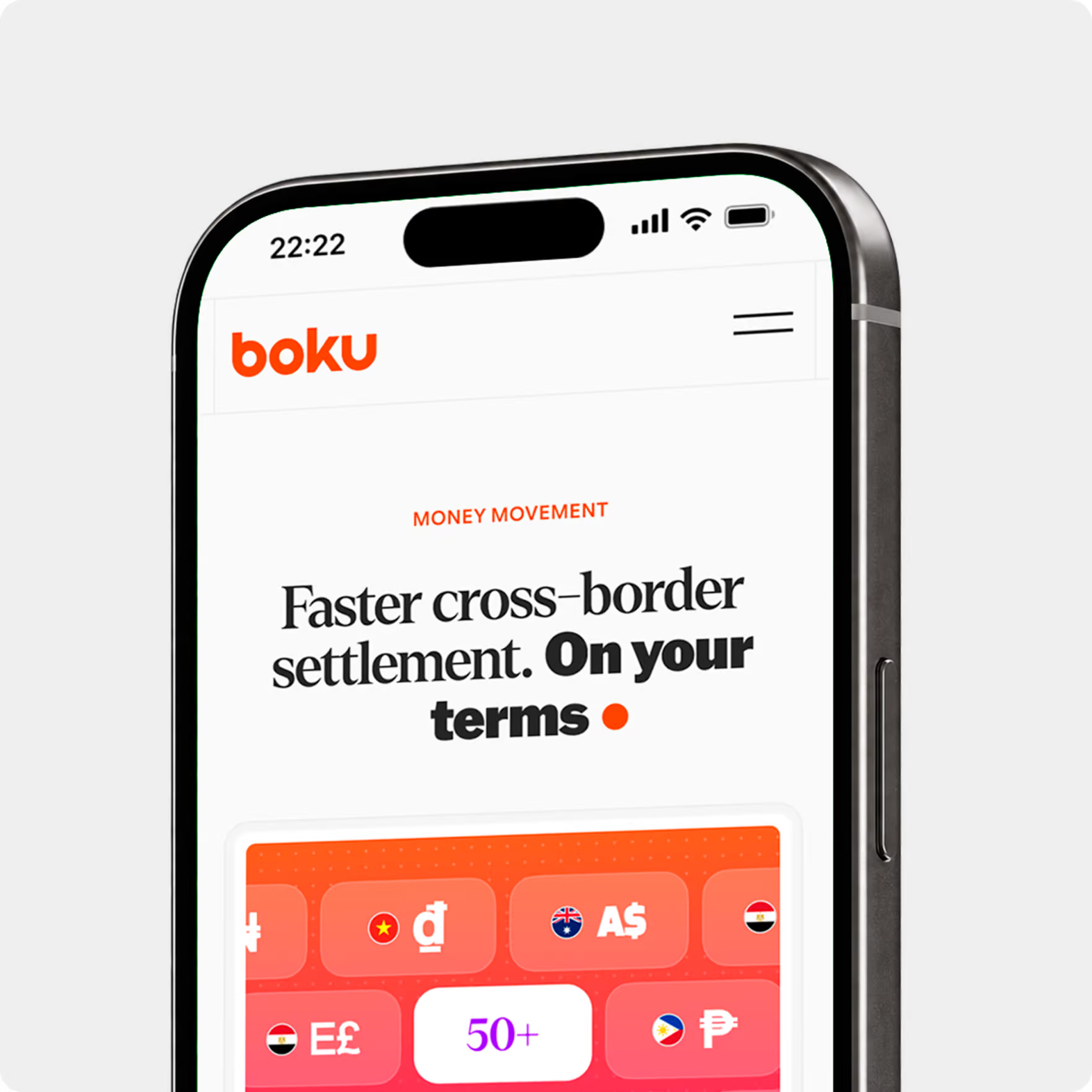
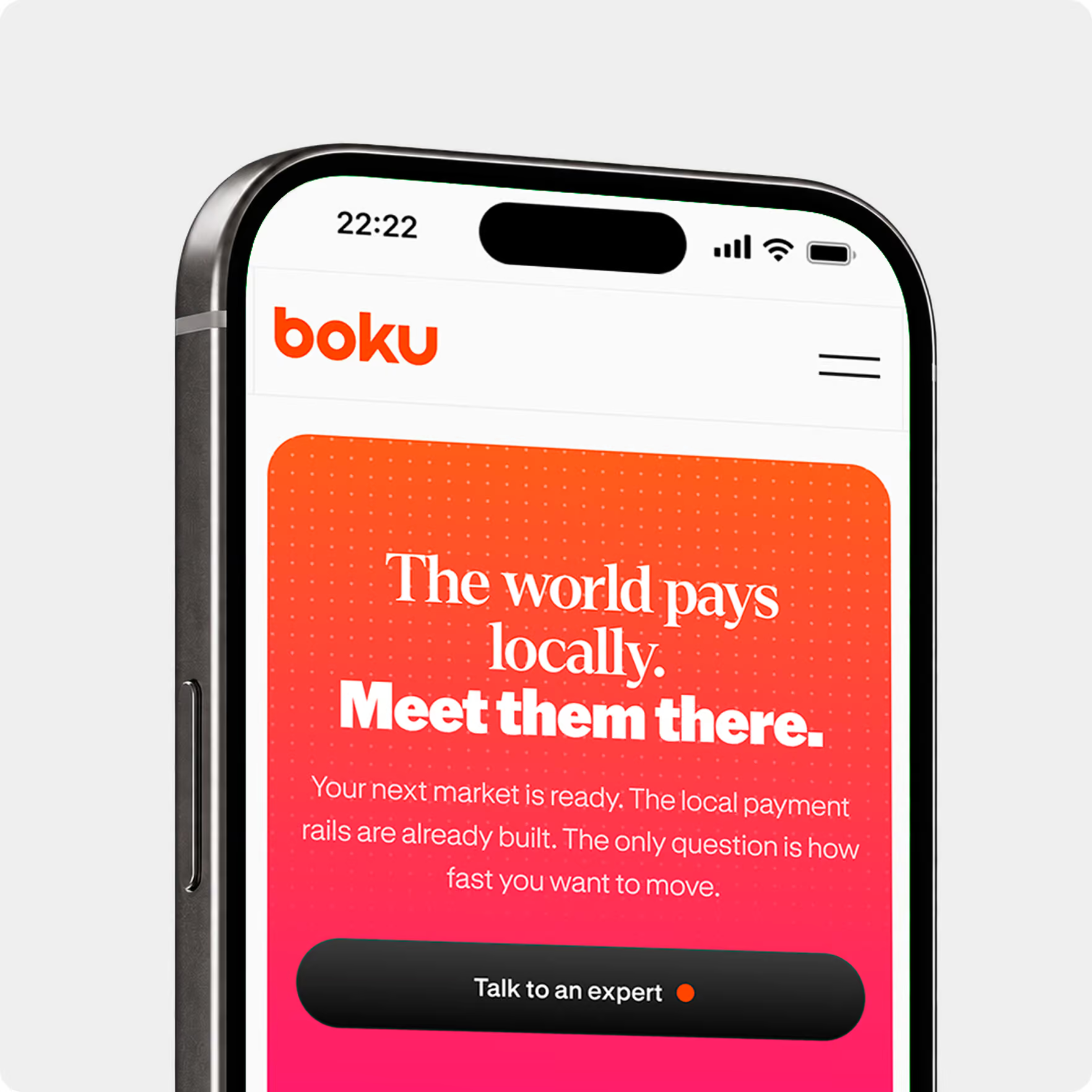
With the structure in place, we moved into the full website design: 14 core pages and 18 local payment method pages. The work had to support different content types without making the site feel fragmented. Responsive layouts carried the same logic across screen sizes, while reusable components kept the experience consistent.
Design system & developer handoff
A website of this size needs more than a collection of finished screens. We built a design system, UI kit, and documentation around the core patterns, so the same rules could advance through development and future updates. That gave the team a shared reference point — from the first build to the next page Boku adds.
Frontend development
The expanded scope left us just four and a half weeks to build the entire website. Together with Boku, we augmented the dev team from one developer to three to keep the launch on schedule.
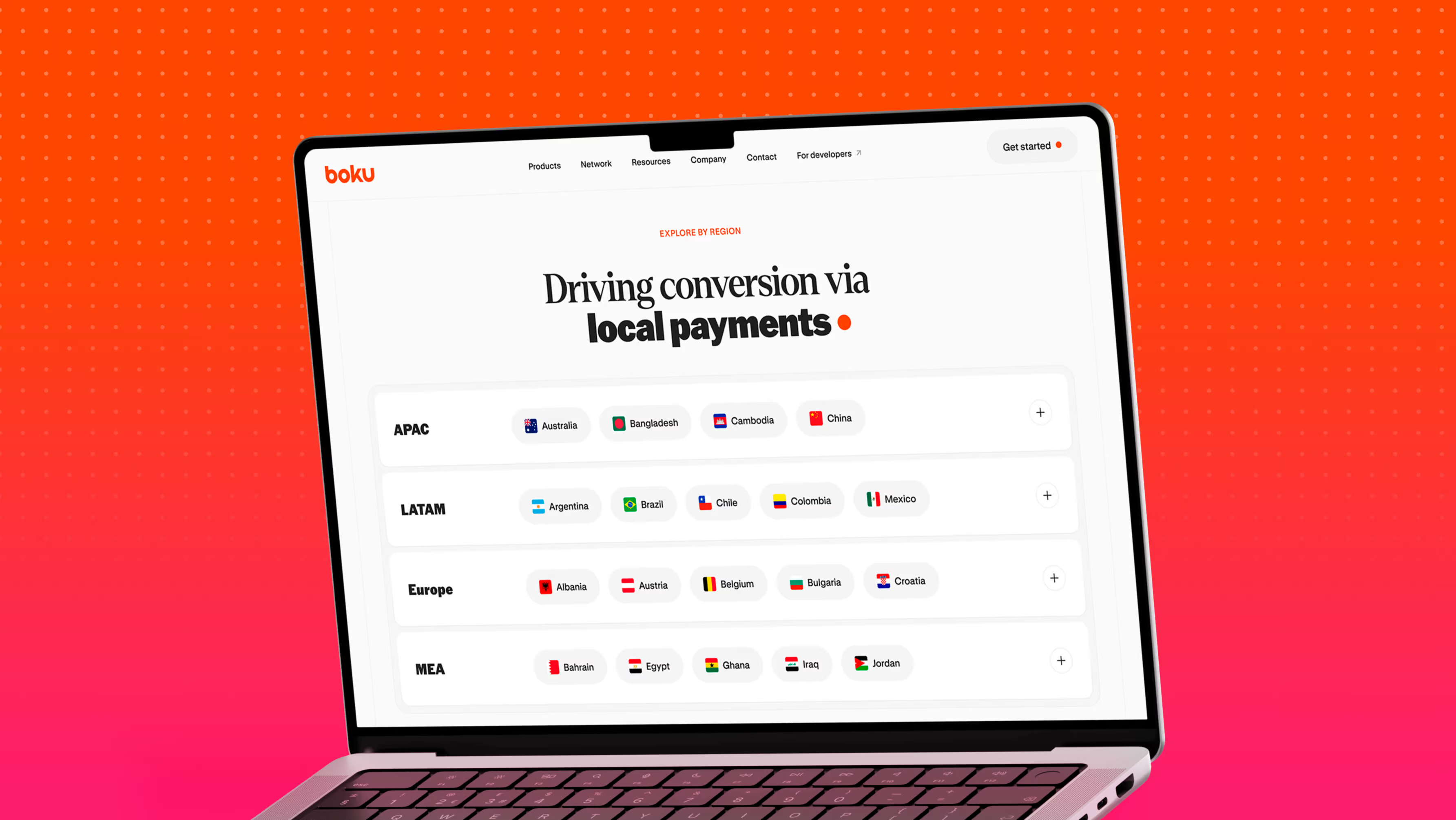

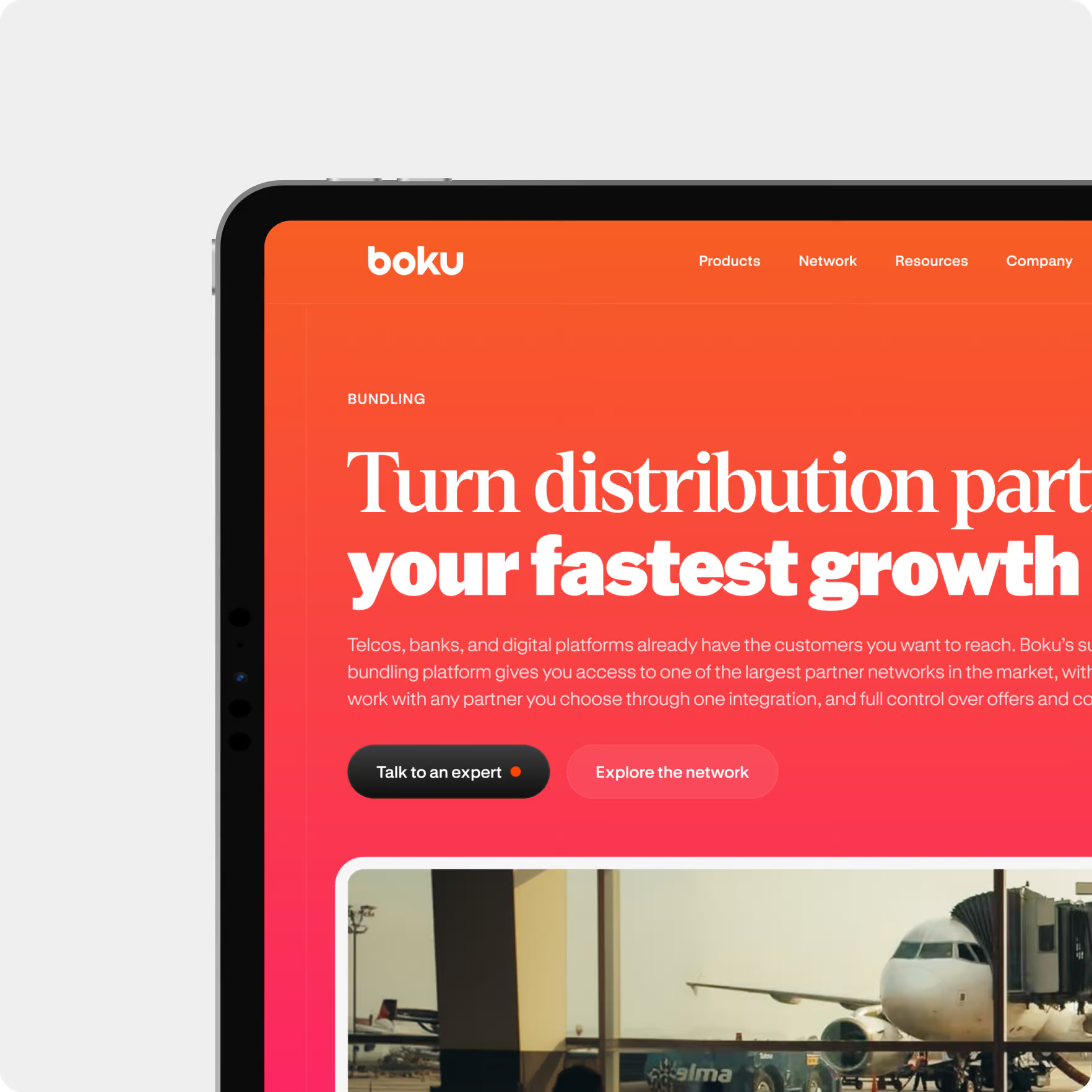
We brought the approved designs to life through responsive page templates, reusable components, and animations. The frontend carried Boku's refreshed visual identity across the website, while the WordPress integration gave the marketing team control over future content updates.
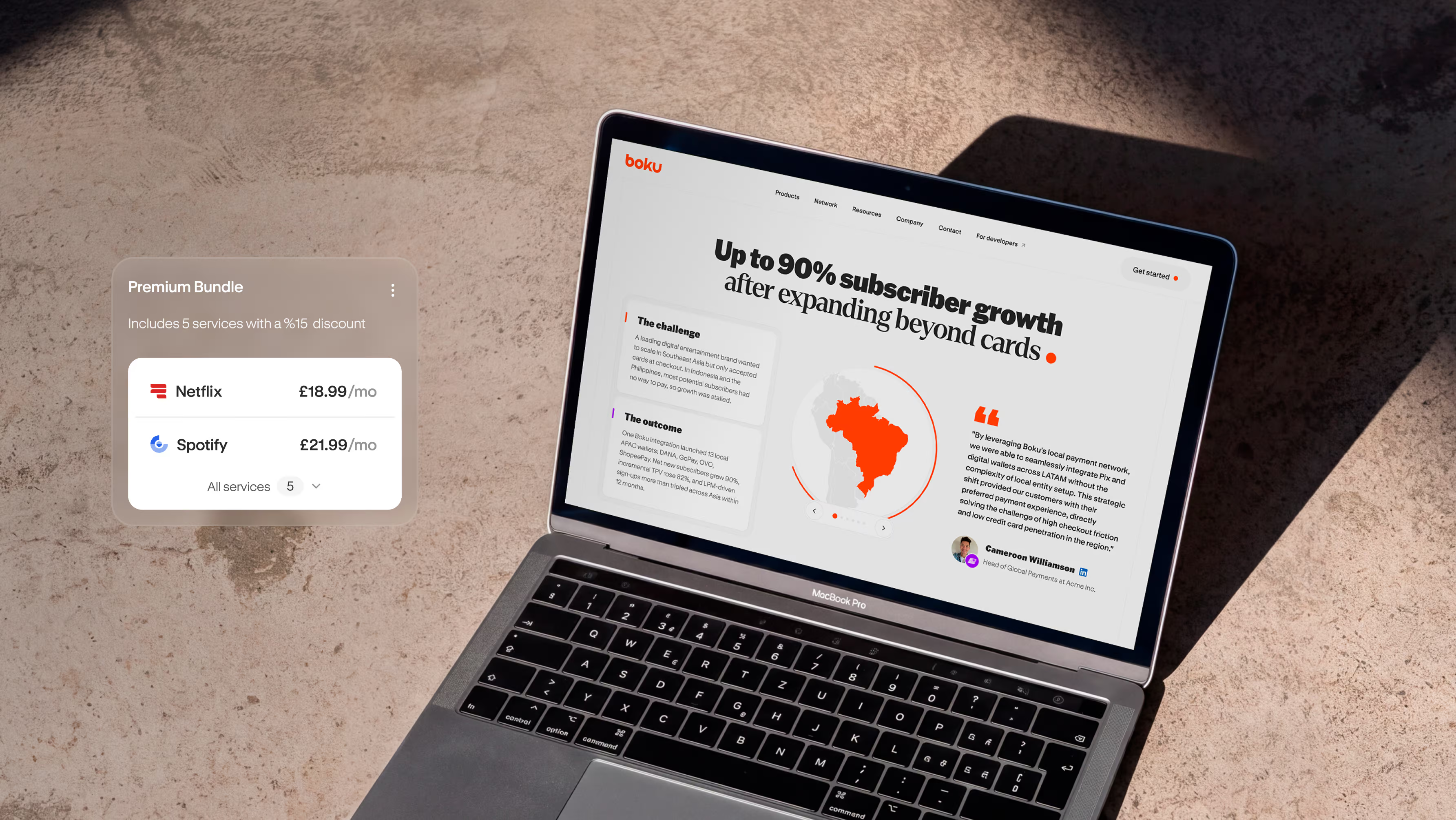
Backend development
Boku's marketing team needed the freedom to update the website without calling in developers for every new page or campaign. We built a modular WordPress CMS with custom blocks, reusable templates, and content modules to give them that control.
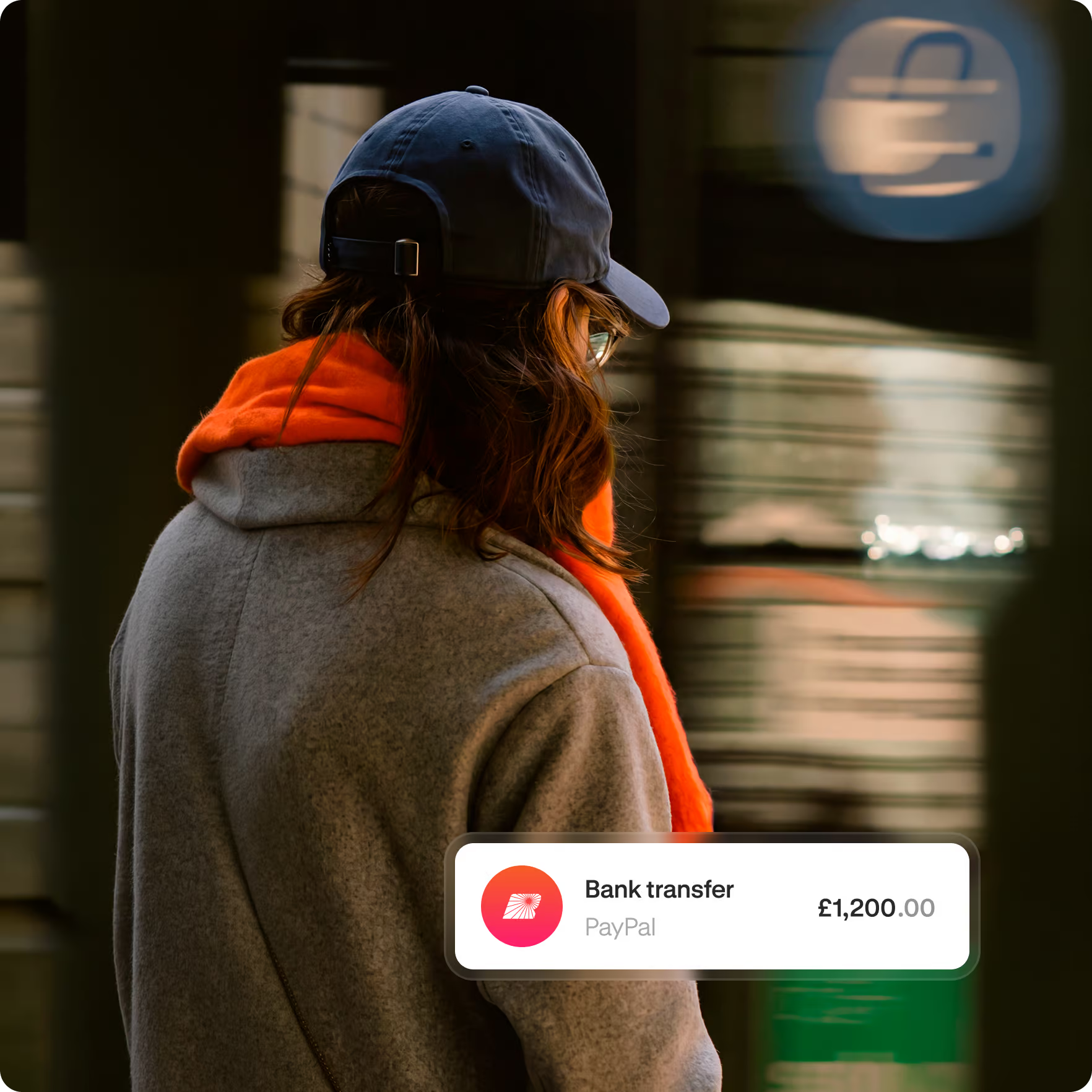
We also moved the existing content from Webflow, preserving SEO metadata and setting up redirects. We also connected CRM integrations, web forms, and UTM tracking to the new website for Boku's marketing operations, from campaign launches to lead capture.
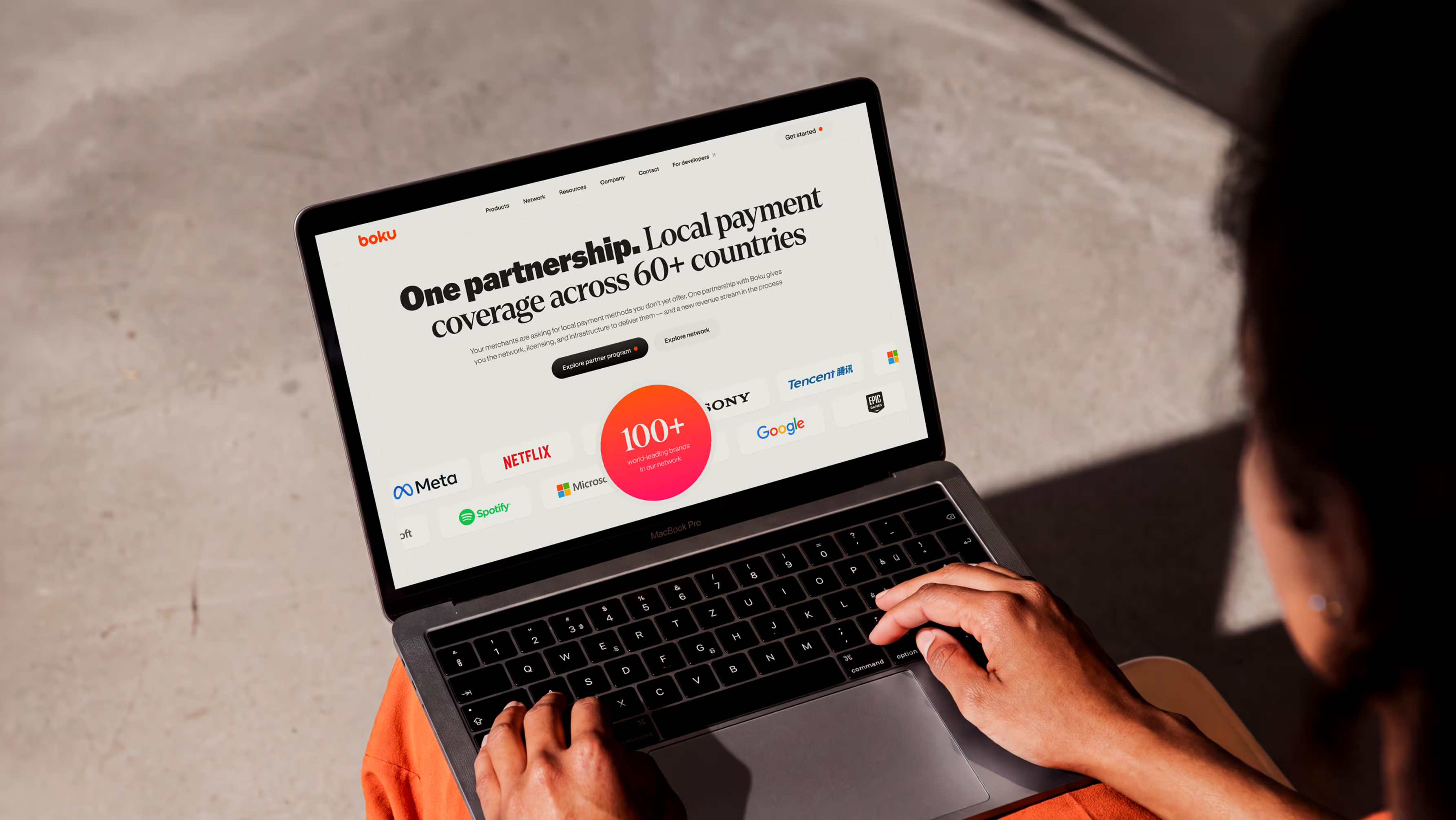
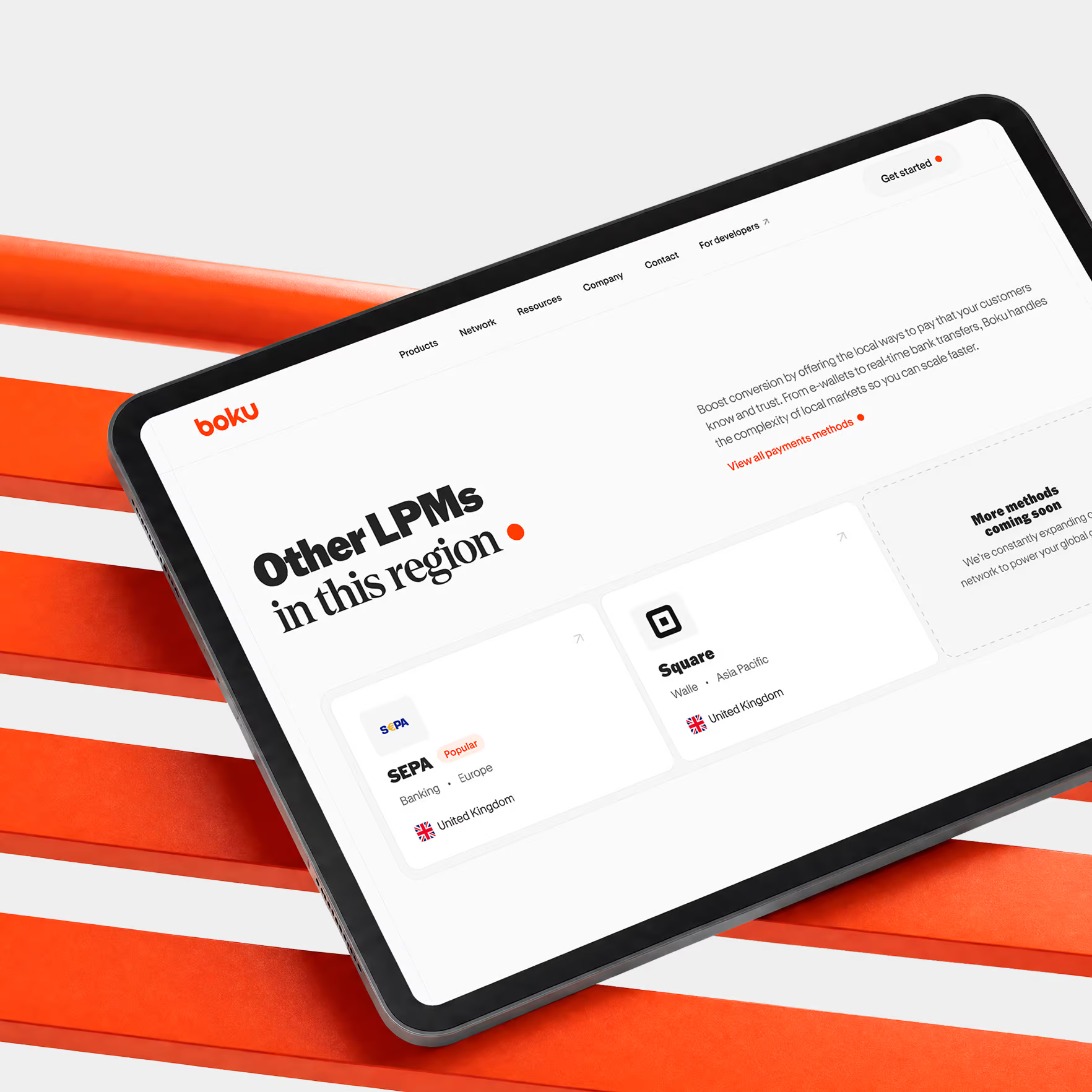
QA, technical SEO & deployment
A tight deadline left little room for last-minute surprises. We ran functional, cross-browser, and responsive testing, checked web forms and marketing integrations, and resolved issues before launch.
Alongside QA, we configured technical SEO, including metadata, schema, sitemaps, and redirects, as well as GA4 and Google Tag Manager. After deployment, we handed over the CMS documentation and walked Boku's marketing team through managing the new website.
Post-launch maintenance
The launch marked the start of Boku's work with its new CMS. We stayed involved to address technical issues, refine the design, and make further improvements as the marketing team began using the website in its day-to-day work.
A new website built for Boku's brand and marketing ambitions
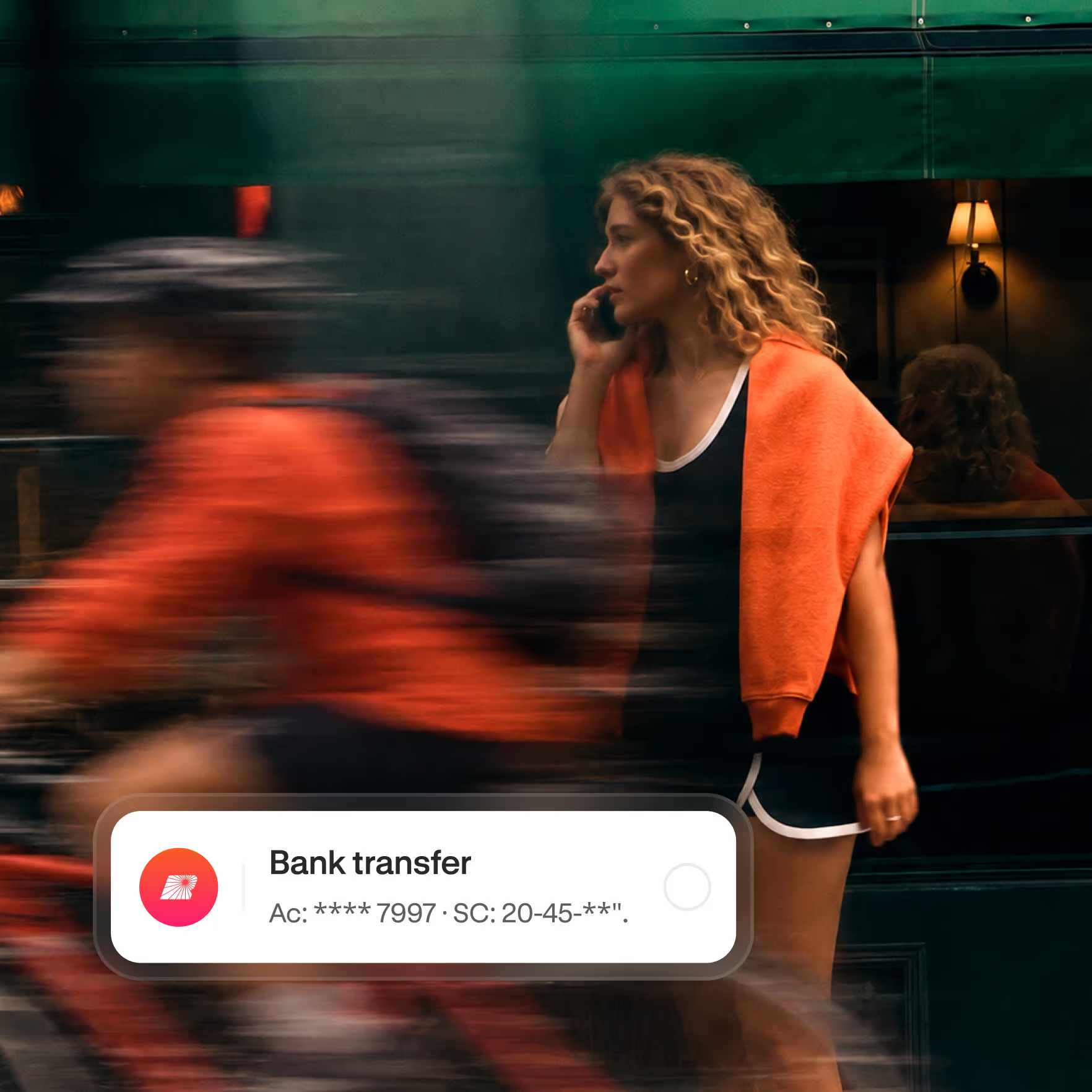
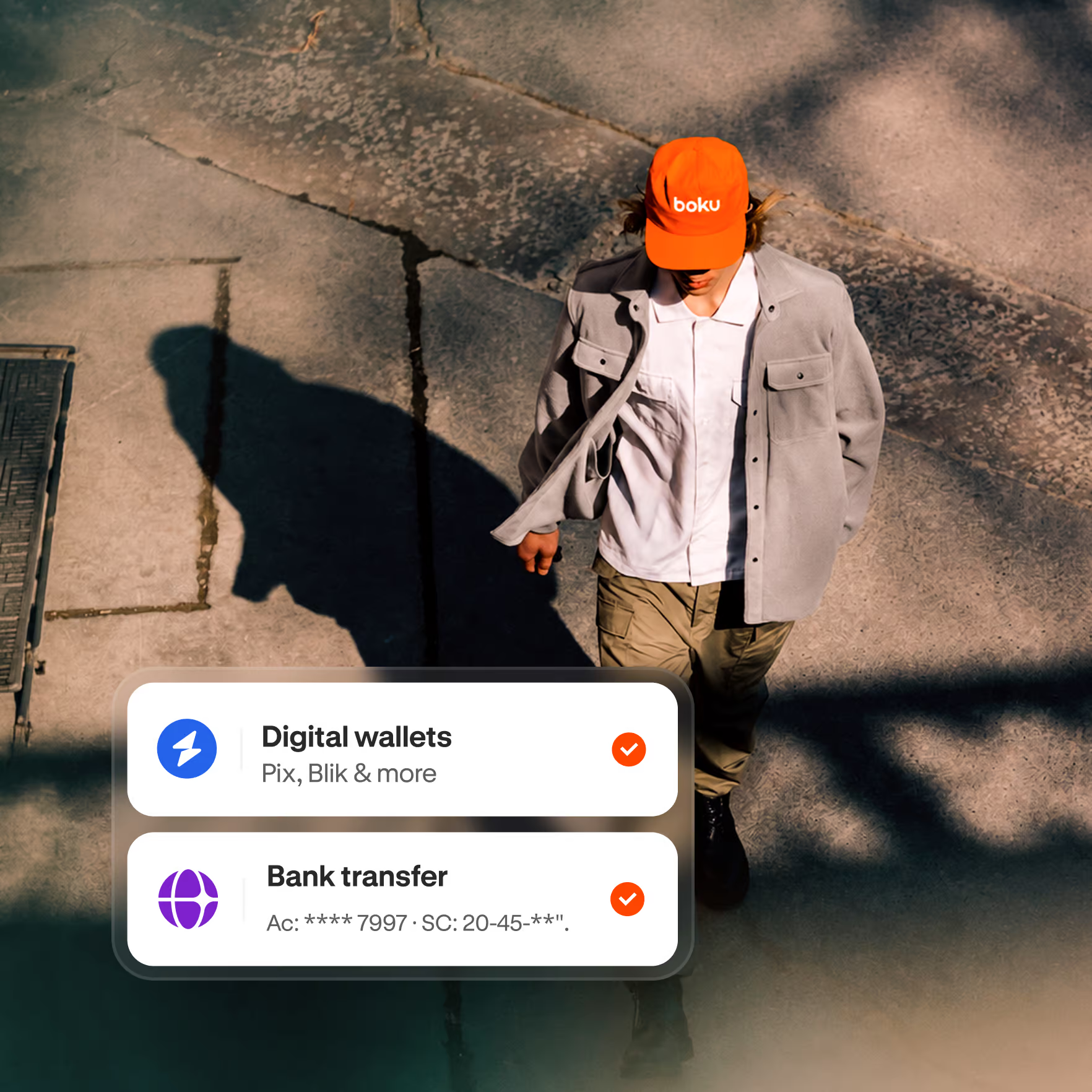
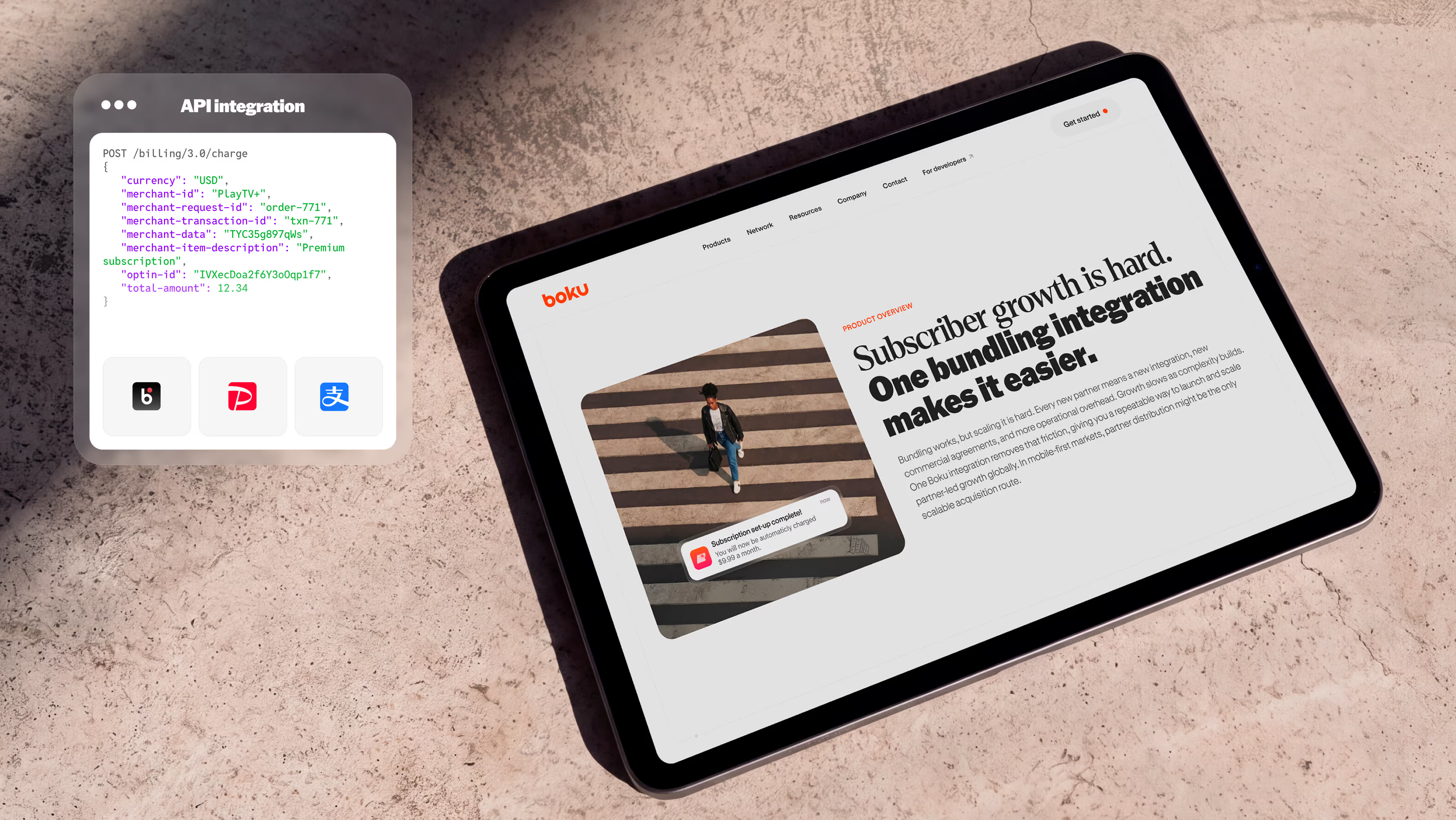
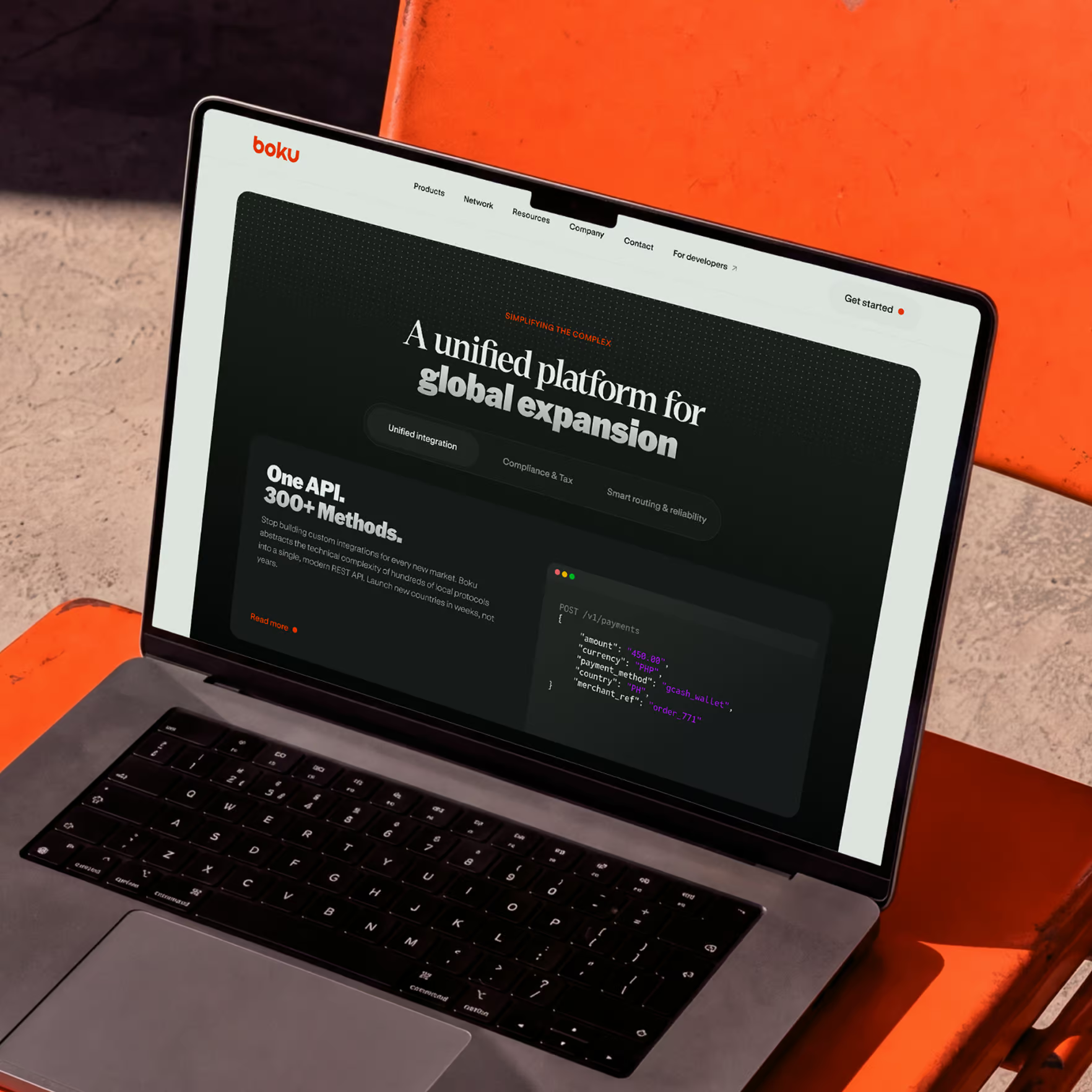
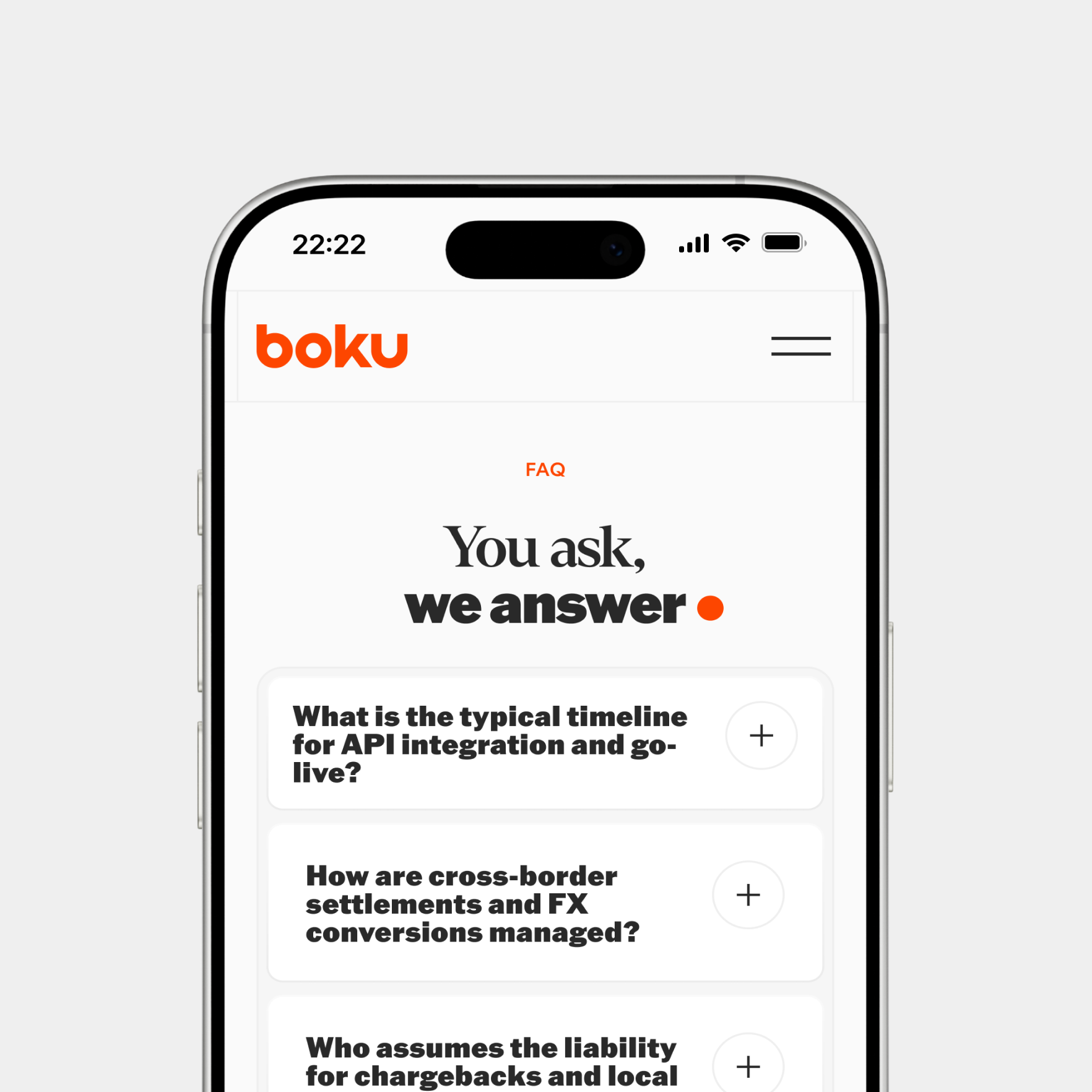
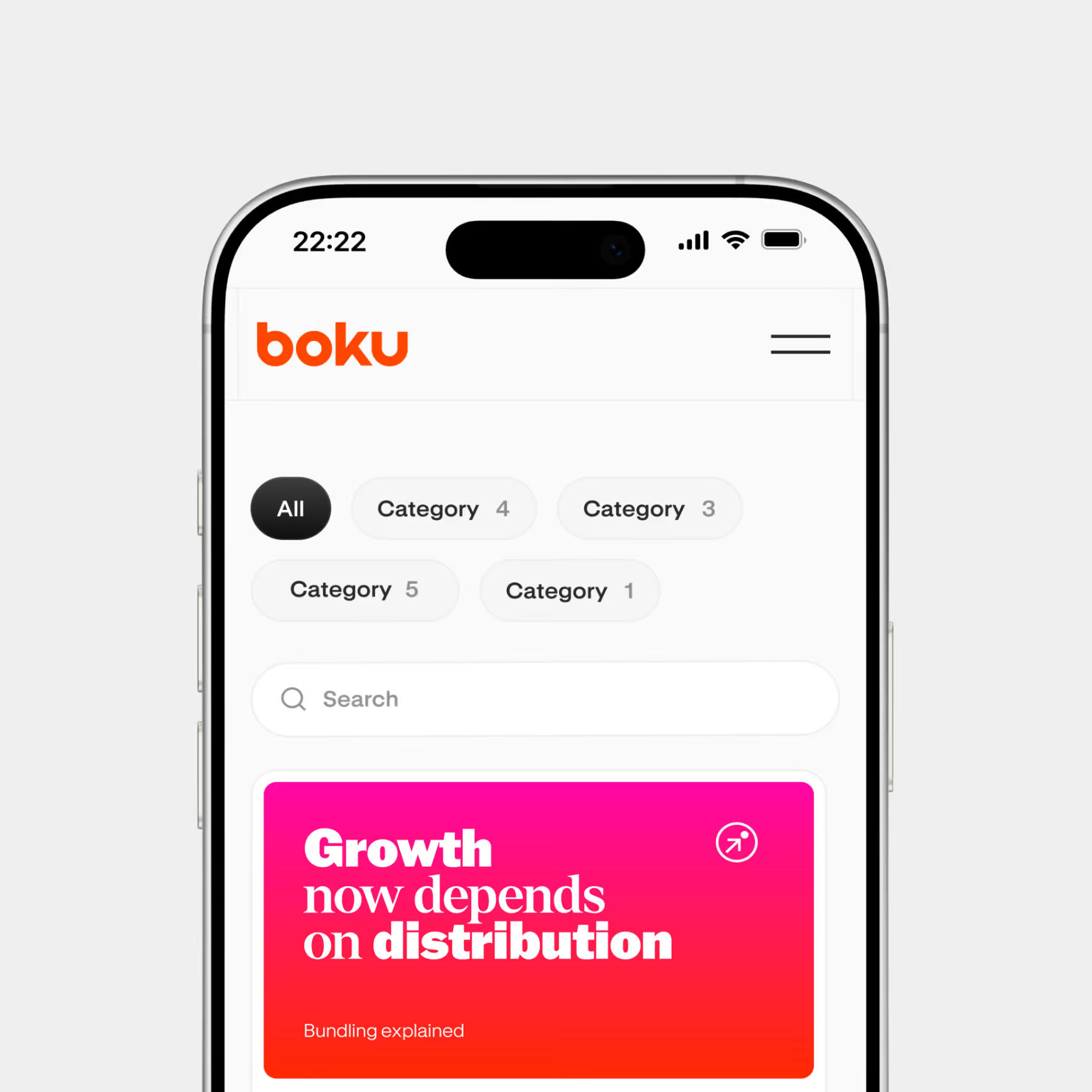
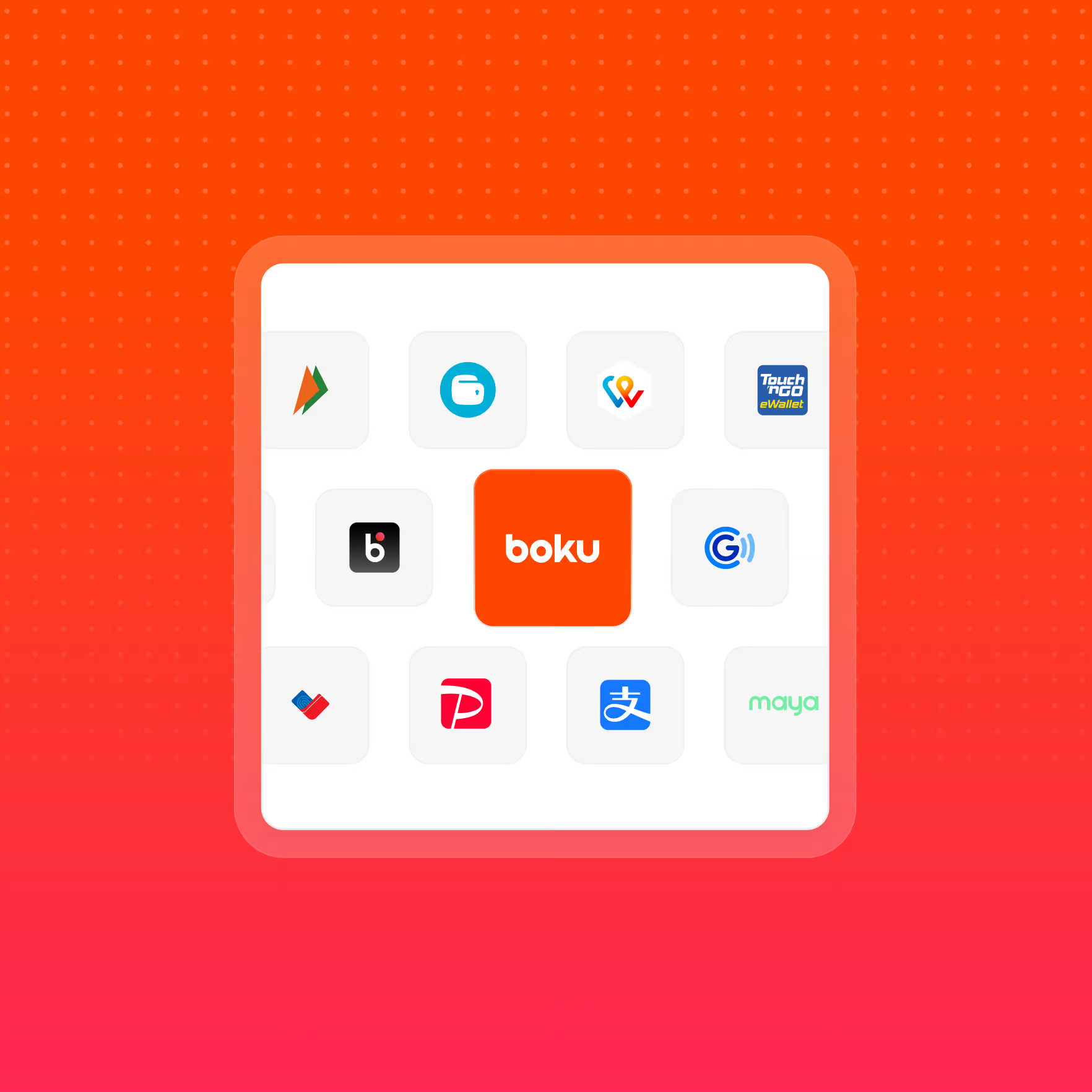
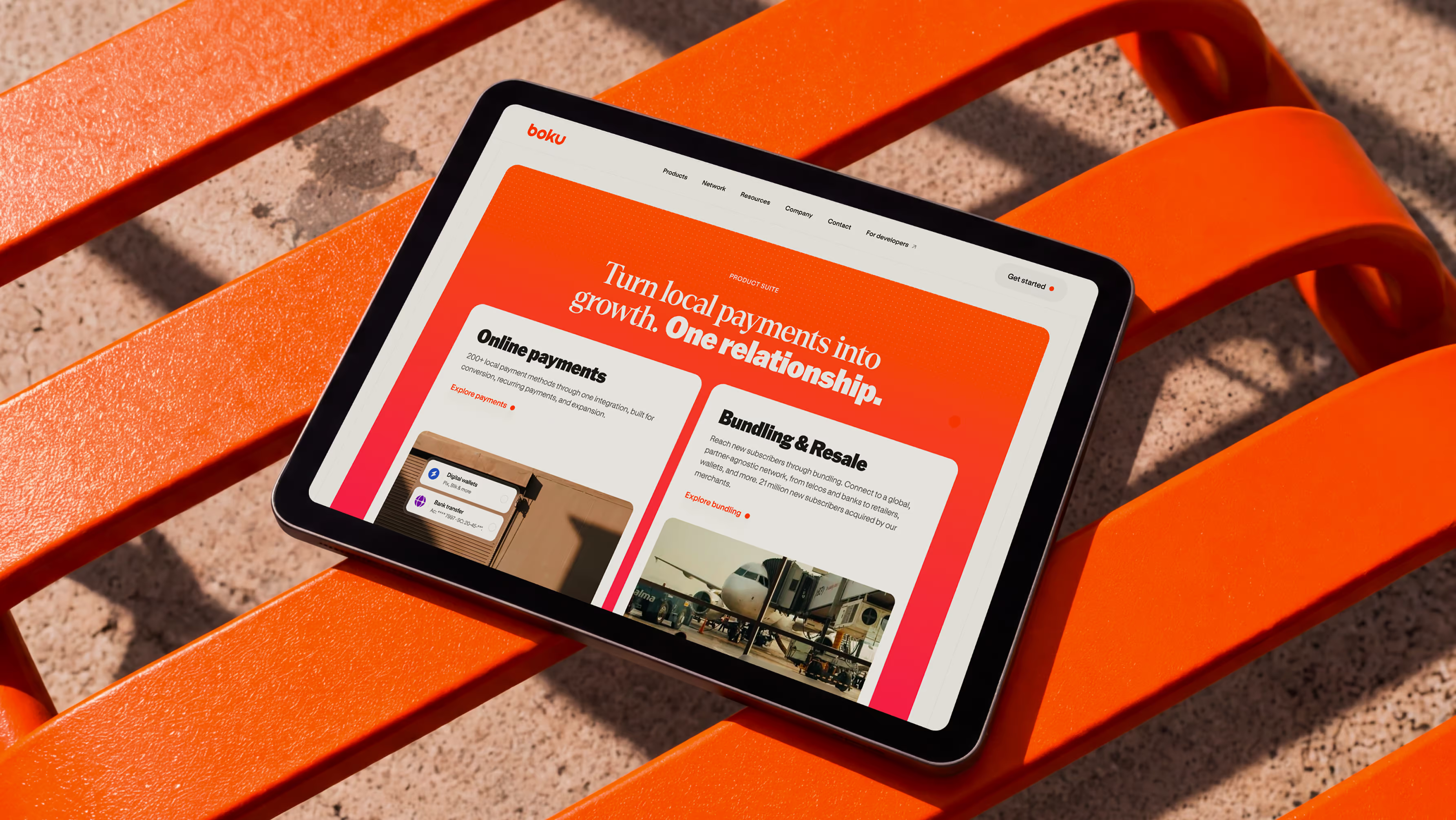
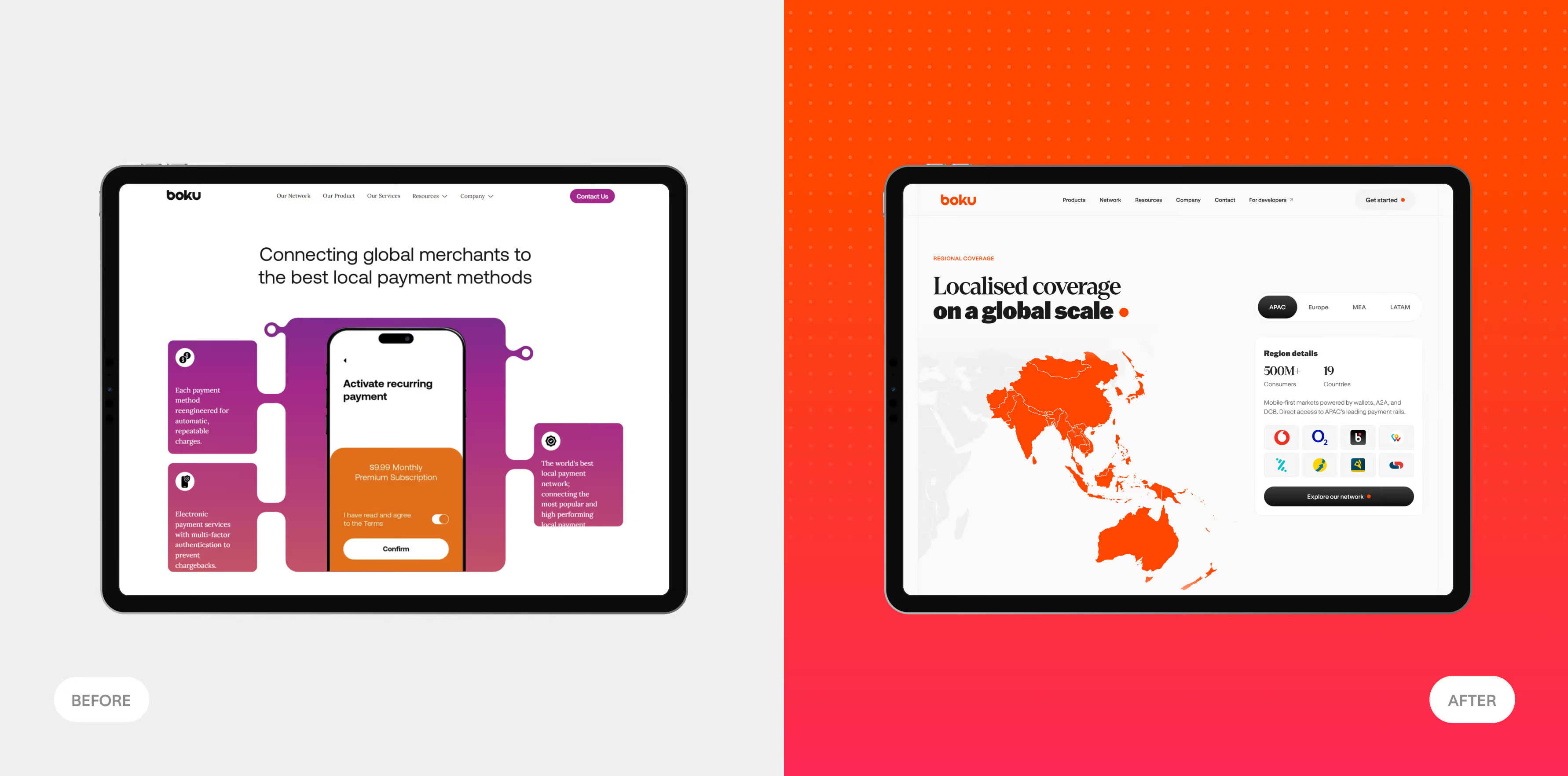
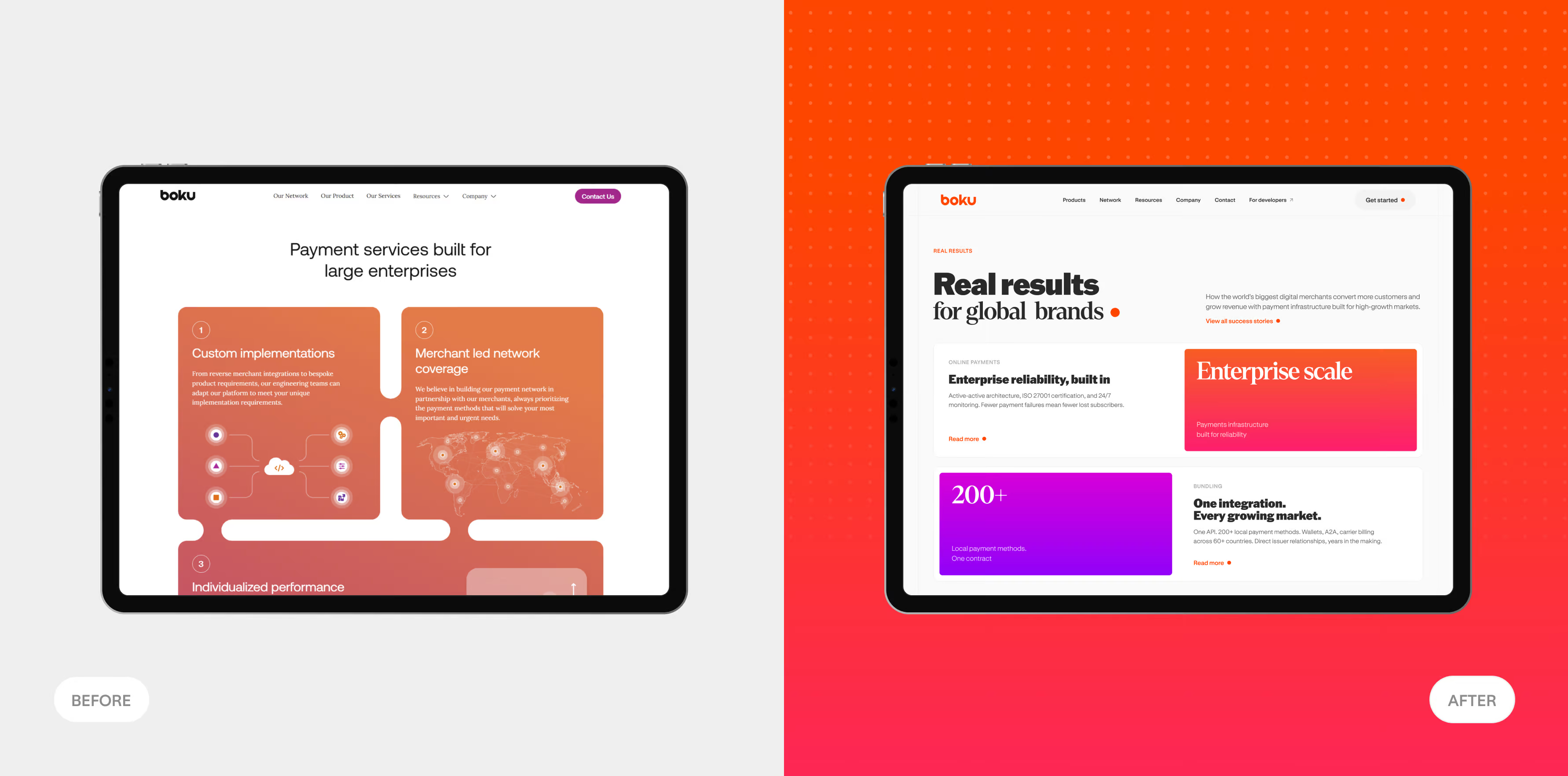
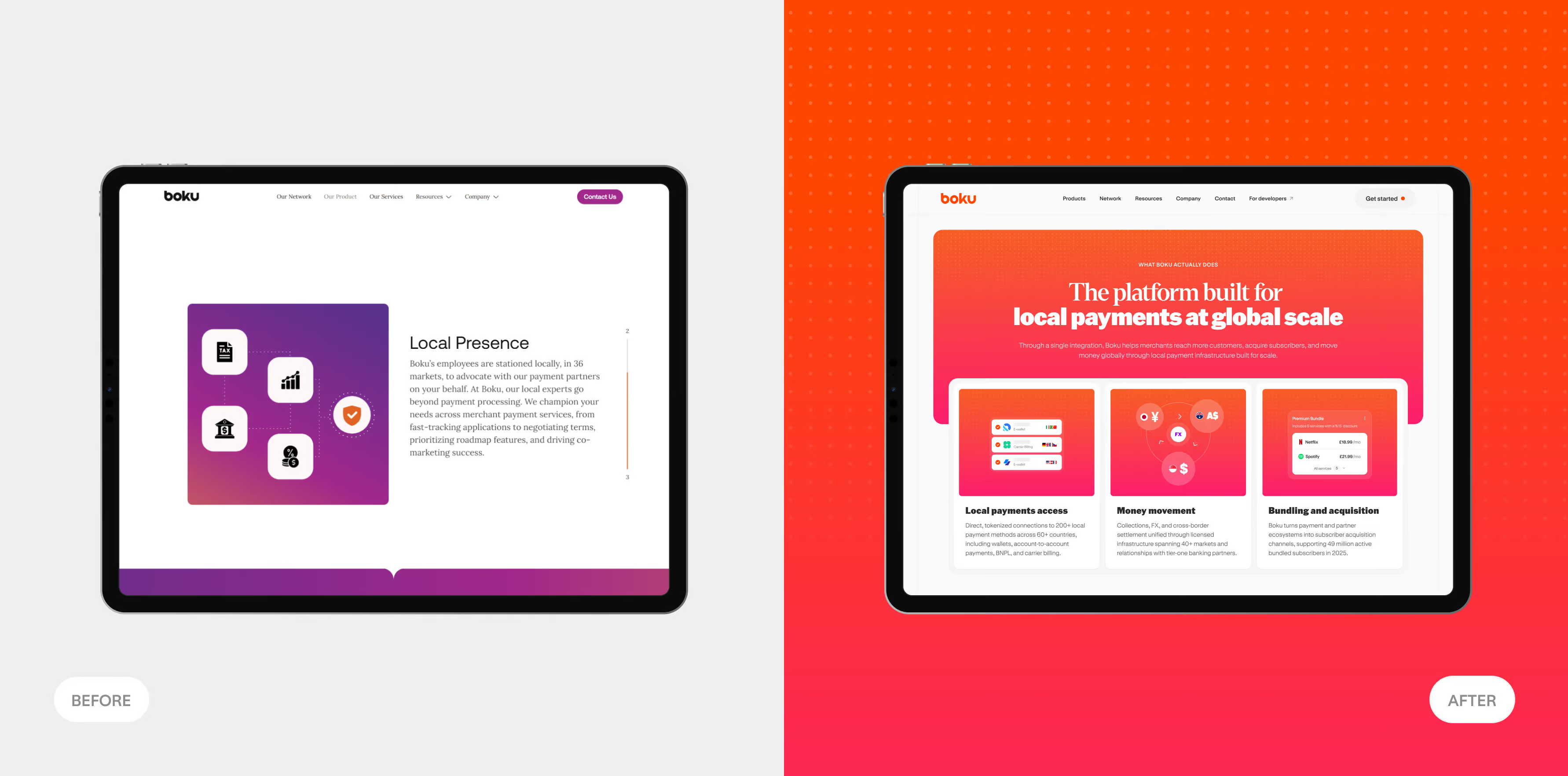
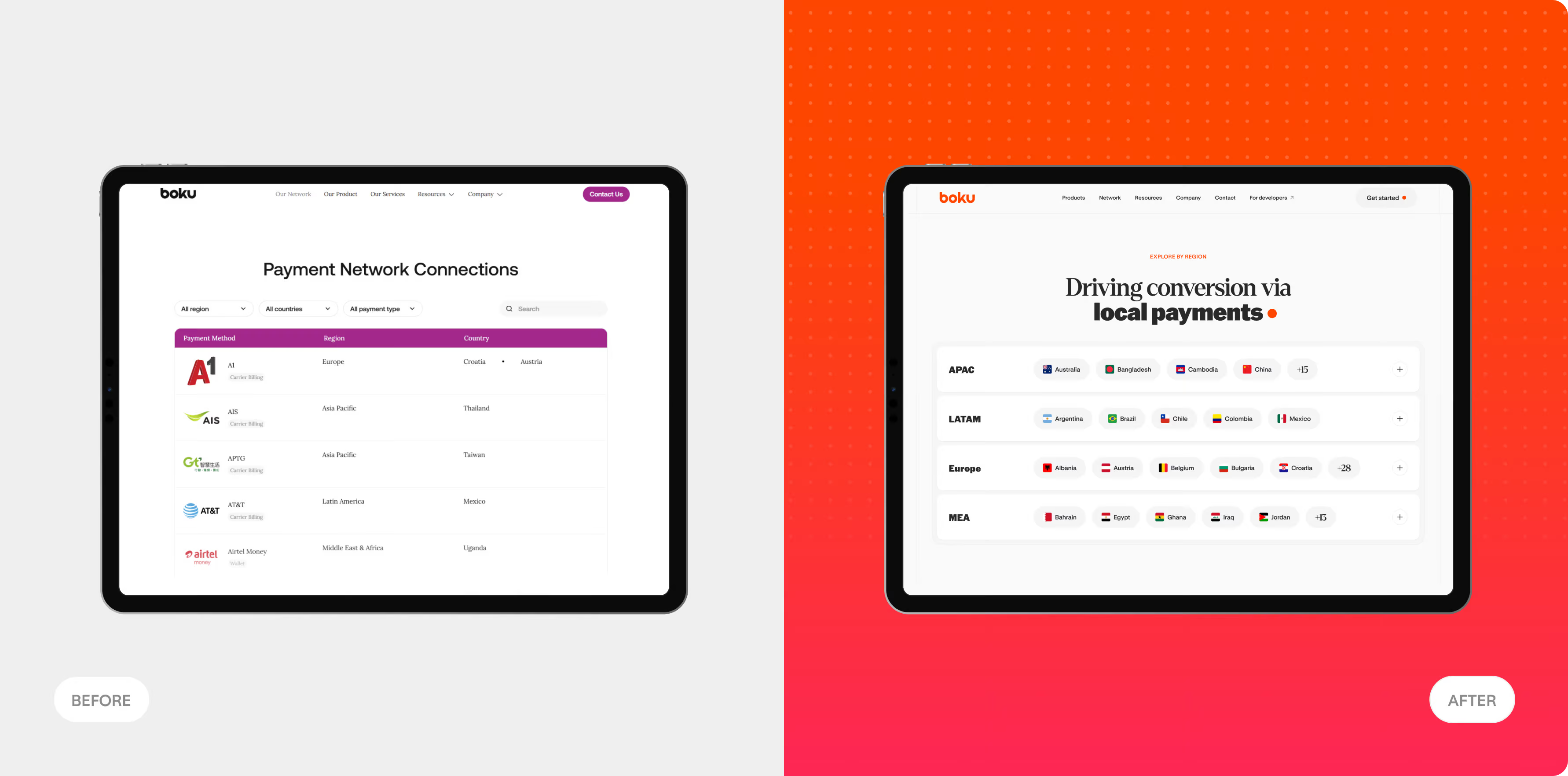
The new website gives Boku's refreshed identity a distinct digital presence. Oversized serif typography, a video-led hero section, custom illustrations, and detailed line patterns reflect the company's global reach and local payment expertise.Beyond the visual design, Boku now has a responsive WordPress website with a flexible CMS, reusable page templates, and integrated marketing tools. Its marketing team can update content, create new pages, and launch campaigns without relying on developers.Despite a nearly 50% increase in scope, we completed the design phase almost entirely within the original budget, delivering the website within the agreed development window.


Plan for what Discovery might uncover
Discovery expanded the original scope by nearly 50%. We completed the design phase almost entirely within budget, but the additional work left just four and a half weeks for development. Expanding the team from one developer to three kept the project on schedule.Looking back, we'd build more flexibility into the initial timeline and revisit development estimates immediately after Discovery. This would allow us to accommodate new requirements without putting unnecessary pressure on the development team or the launch date.
A website needs to serve the marketing unit without devs
A FinTech website changes with the business. New payment methods appear, campaigns launch, product information changes, and marketing needs new landing pages.
That makes the content model a business decision, too. If marketers need a developer every time they want to change a page or launch a campaign, the website quickly becomes a bottleneck.
Boku’s project shows why it pays to think about the CMS, reusable page structures, forms, tracking, and integrations alongside the website experience. When these pieces are designed together, the marketing team gets a website they can run day to day — and adapt as their priorities vary.
Want to start a project with us?
Your request has been sent and will contact you soon by this email yourmail@mail.com
Let's discuss your upcoming project on a call
We usually reply within 1 hour during working hours: 9:00–20:00 (GMT+3)