













Orbital.
Webflow development and brand identity design services for
a payment provider


Orbital is a financial services ecosystem that helps global businesses manage payments, currencies, and digital assets across markets. The company connects traditional finance and digital infrastructure, supporting enterprise clients through reliable systems and structured communication.
Orbital had grown into an international player, but its communication no longer reflected that. The company needed an identity and a digital platform that could support campaigns and communicate clearly with large B2B clients in the financial sector.
The challenge was to reposition Orbital as a credible, established financial partner while keeping a link to its history. The new identity and website had to build trust, simplify complex financial services, and serve as a foundation for long-term communication. It was about aligning marketing, product, and business logic rather than a visual update.
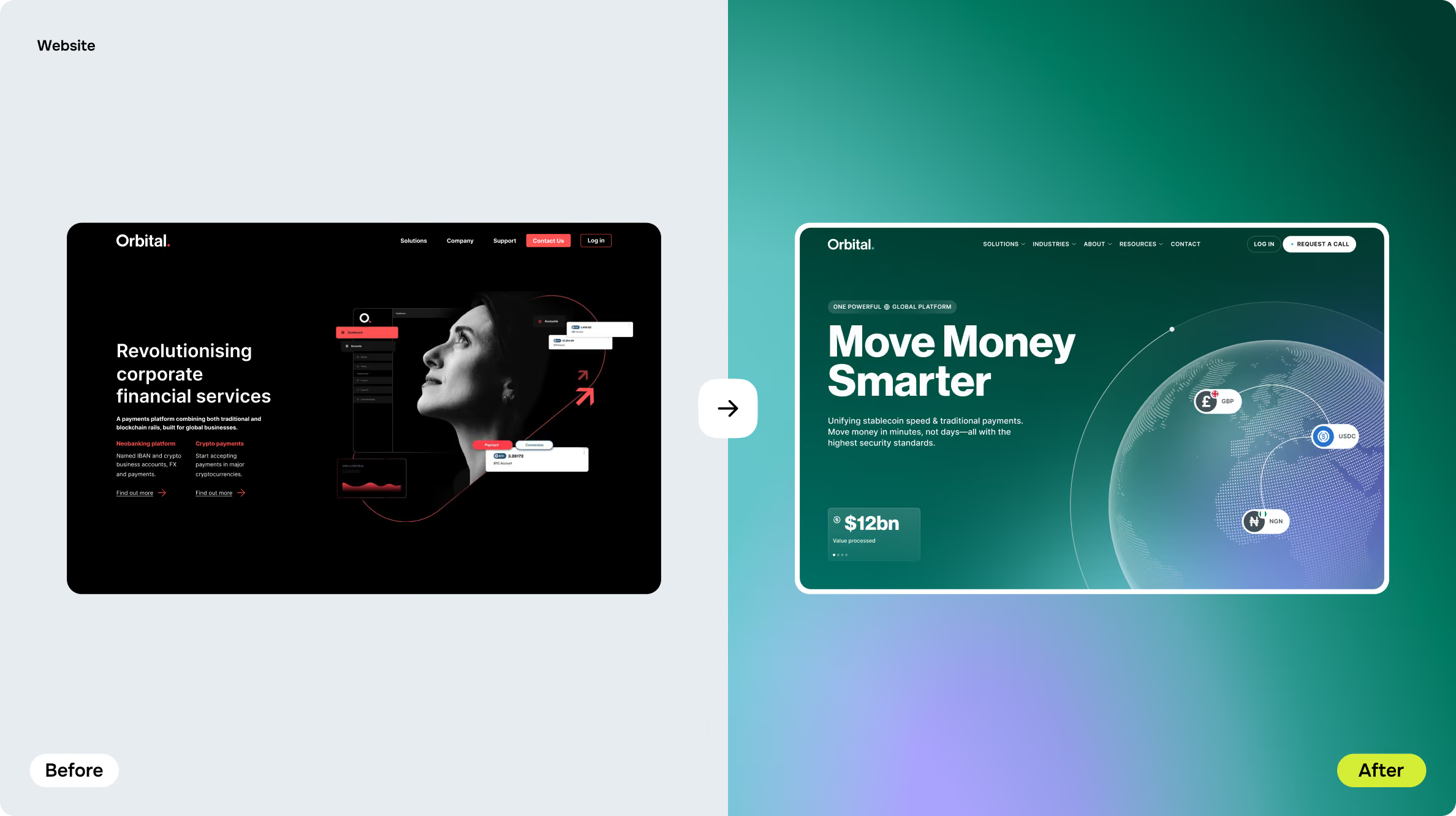
We evolved Orbital’s brand, rebuilt its website, and built the design system the company needed to grow into — without losing the identity it had already established.
Early iterations showed how easily teams can focus on visuals without grounding them in meaning. The process shifted toward explaining function first. Once the shared framework was in place, feedback cycles became faster, and both teams saw again how structure drives collaboration and clarity. From that point, every design choice supported trust and understanding.





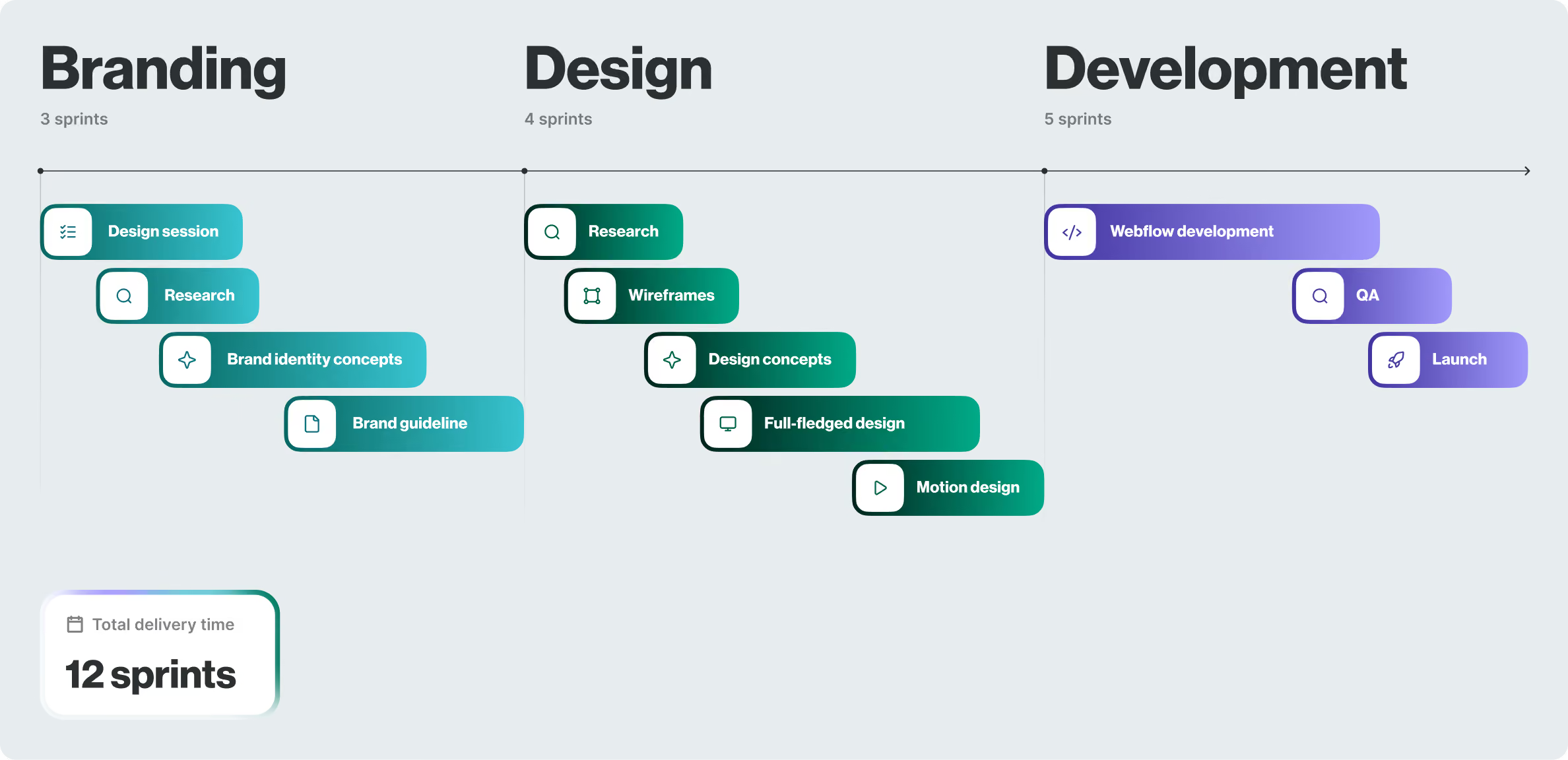
Brand identity design services
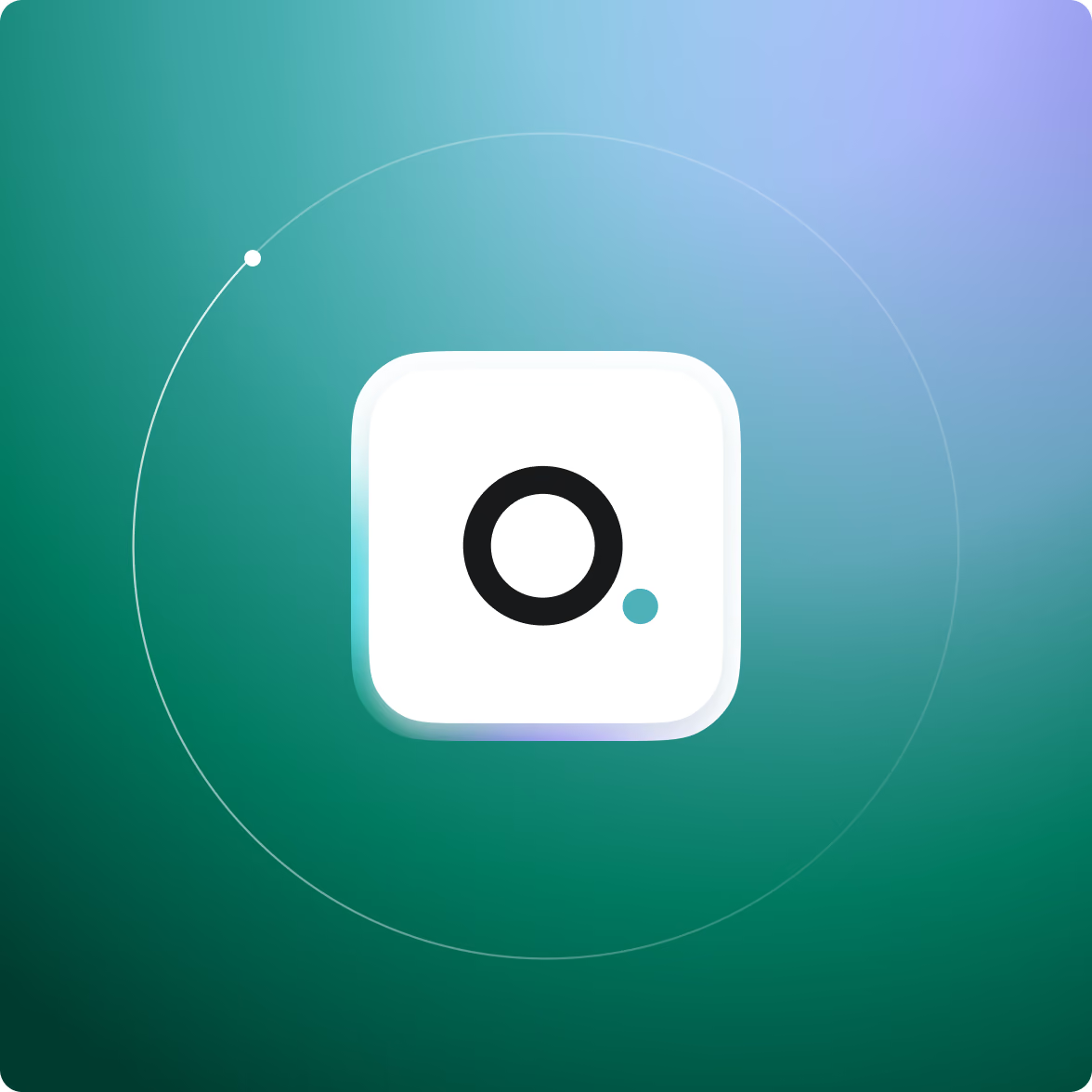
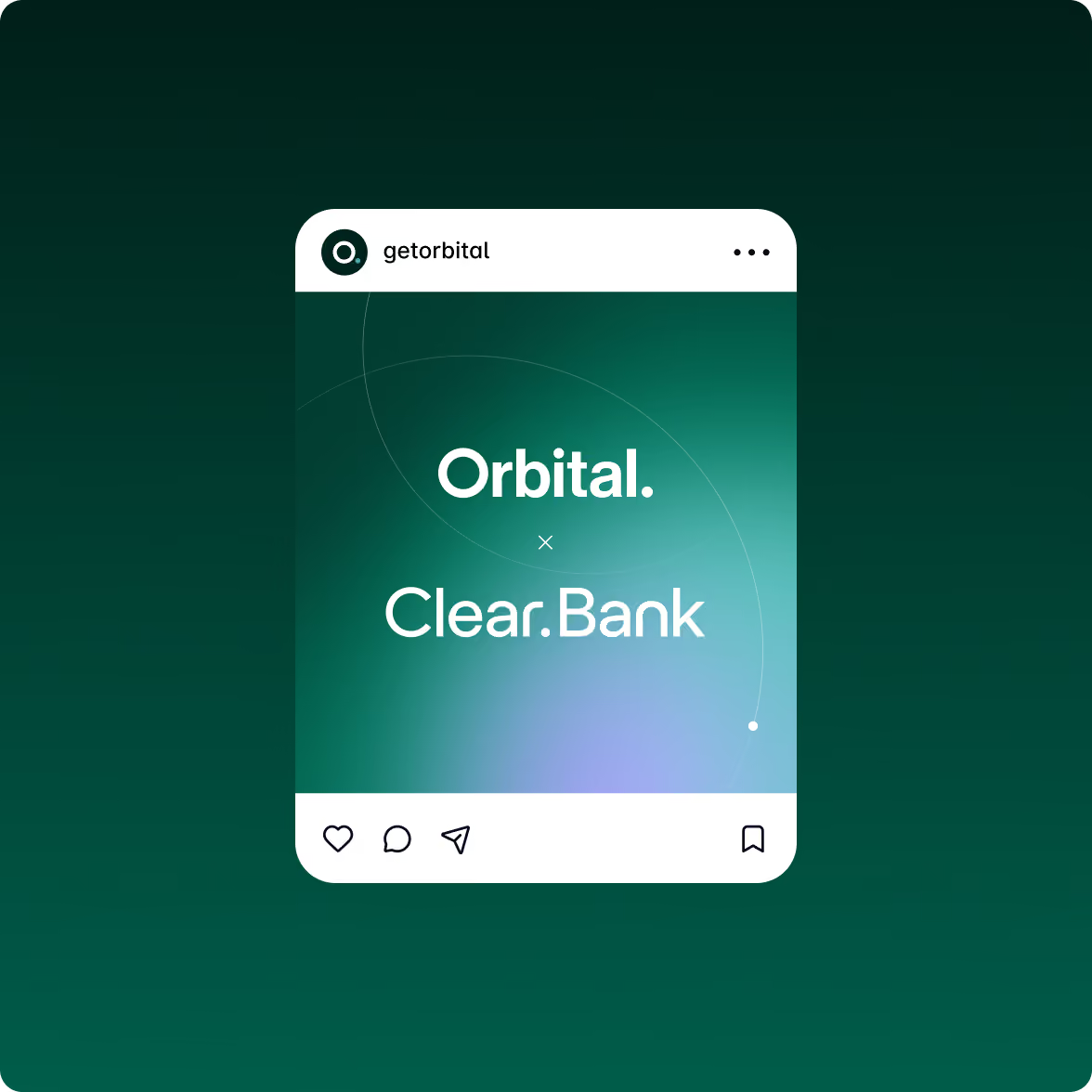
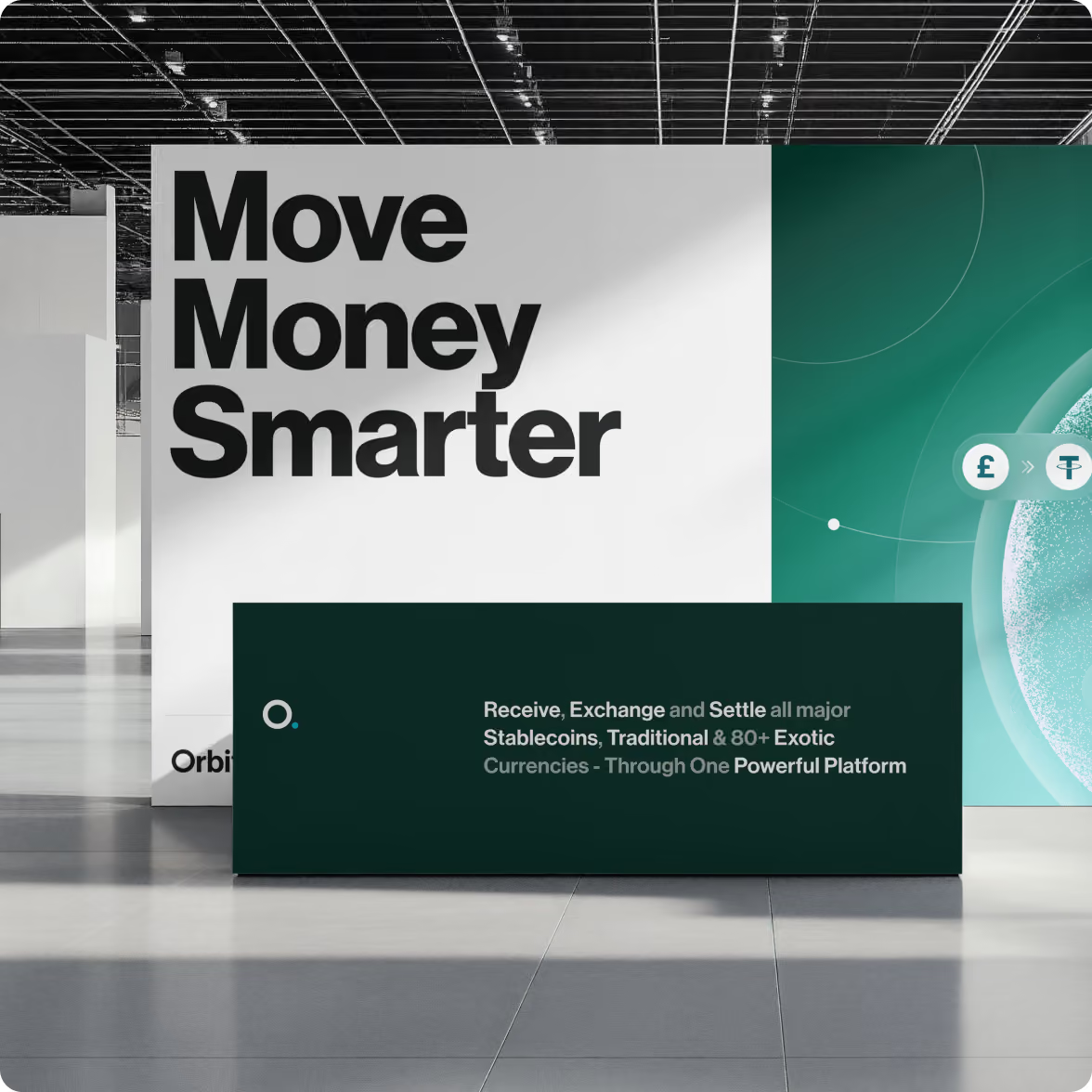
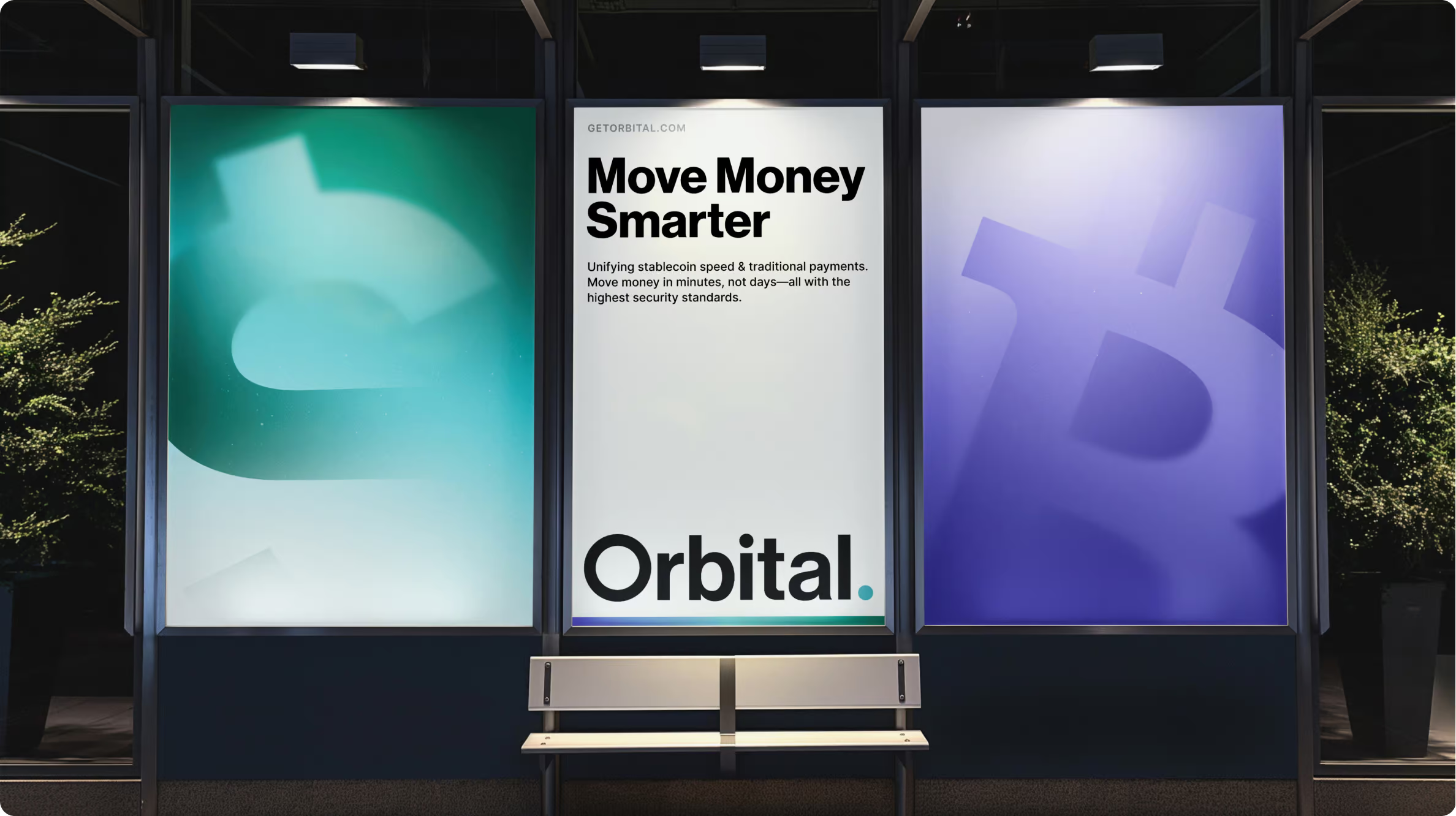
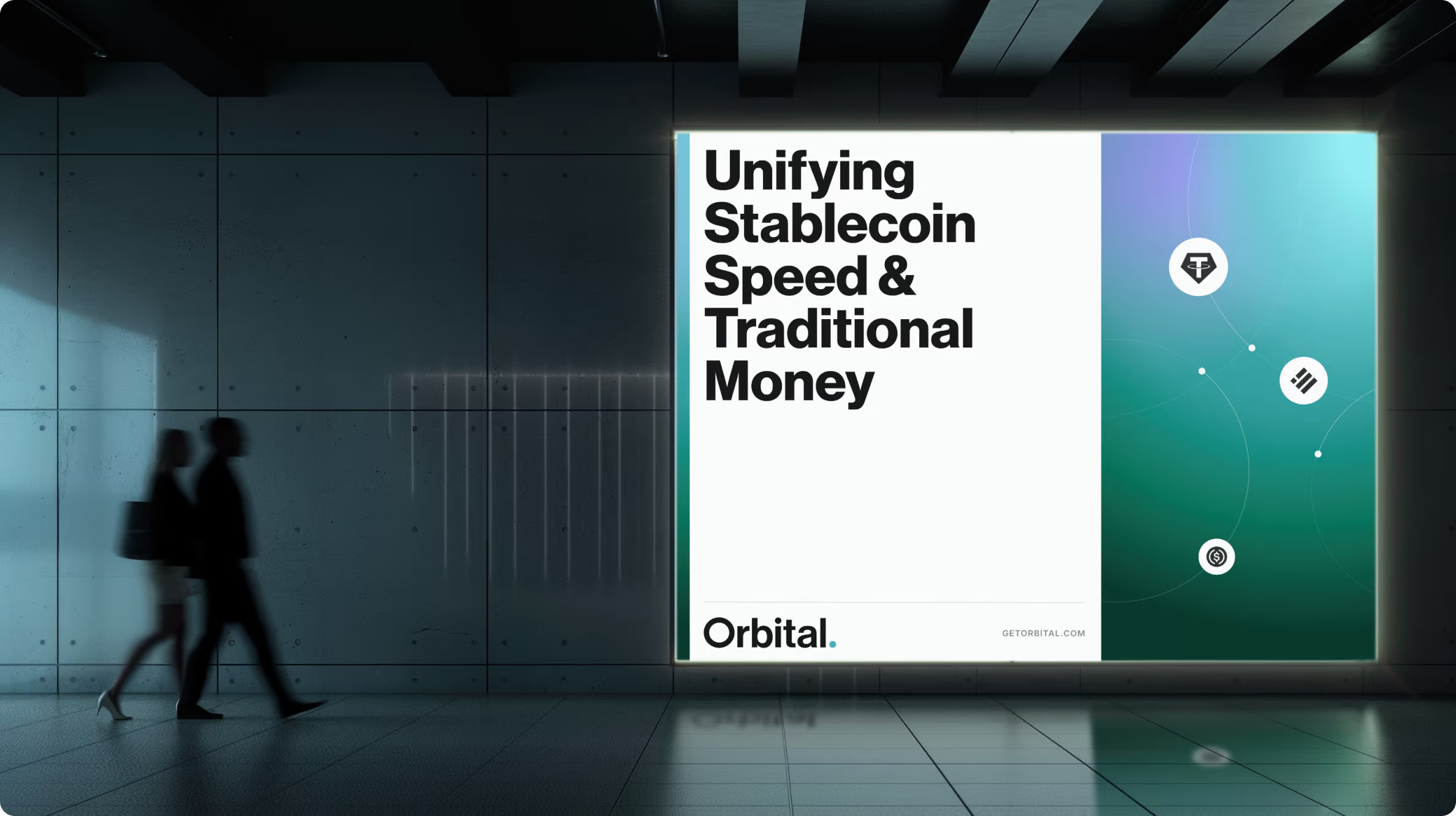
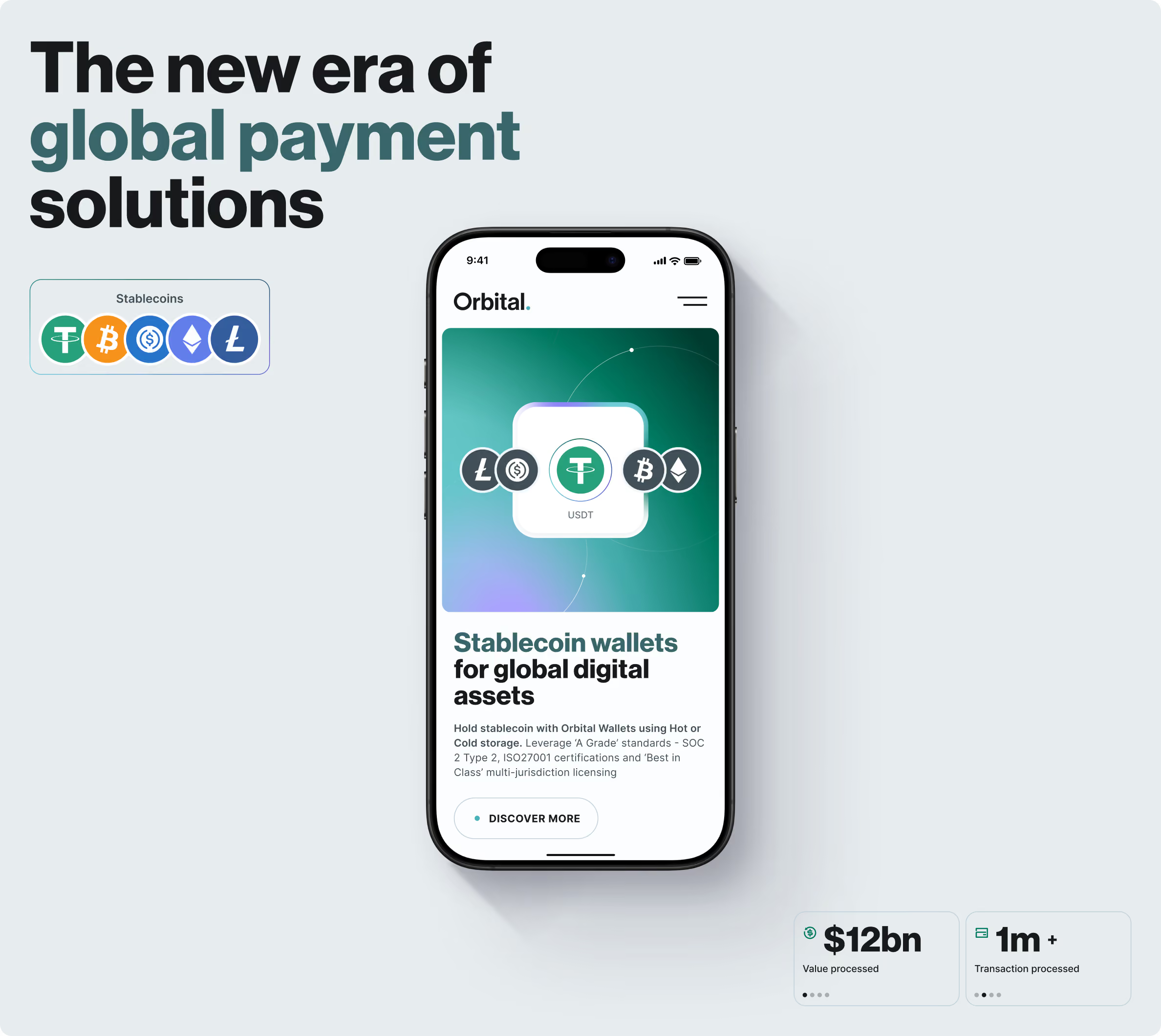
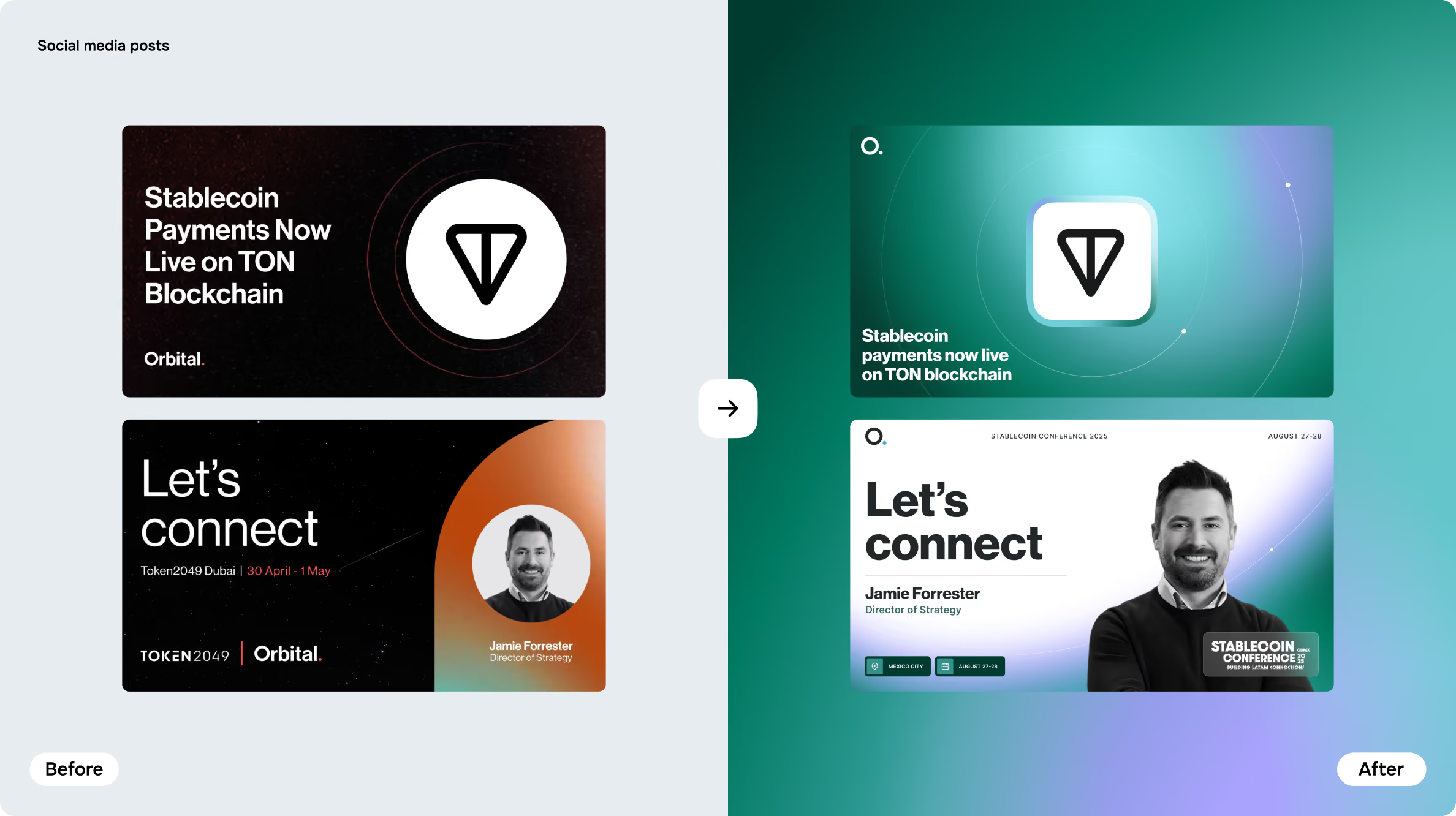
We started with the brand’s core elements. The goal was not to rebuild from scratch but to modernize the existing system so it could grow with the company. The new design balanced legacy and renewal — keeping recognizable visual cues while introducing structured typography and color logic. The process went through several iterations and feedback rounds until it matched the company’s tone and audience expectations.
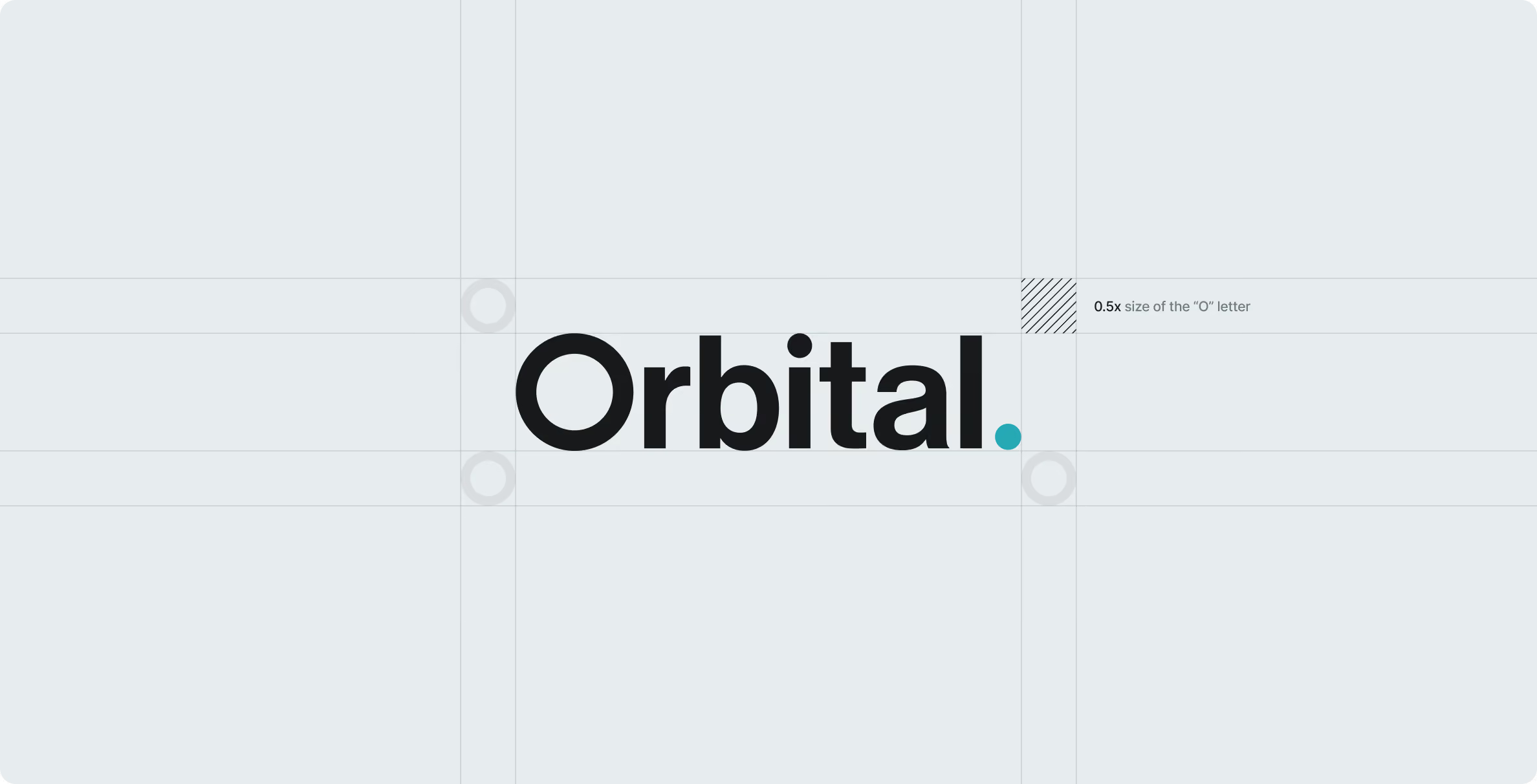
Fintech design system and brand guidelines
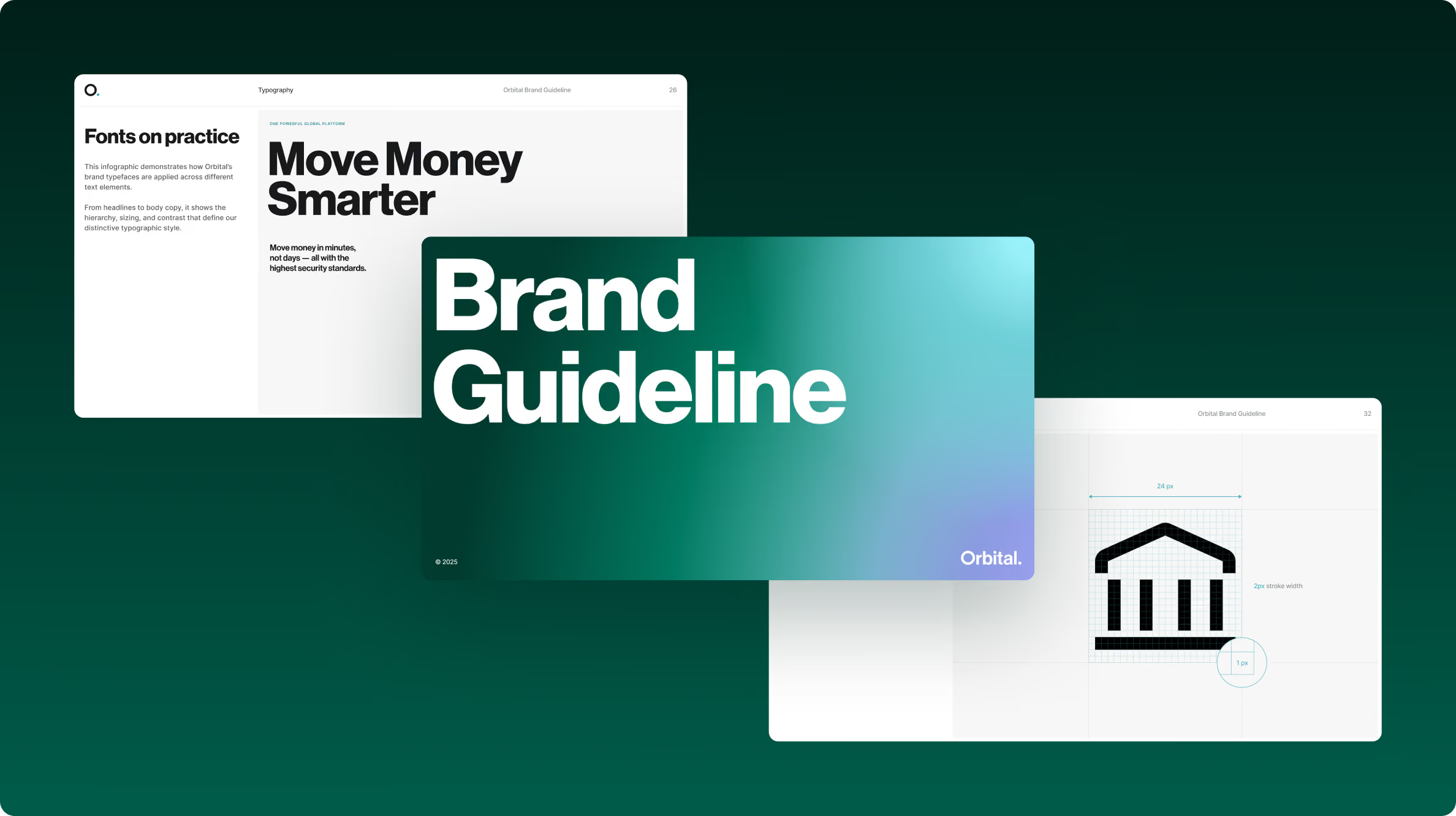
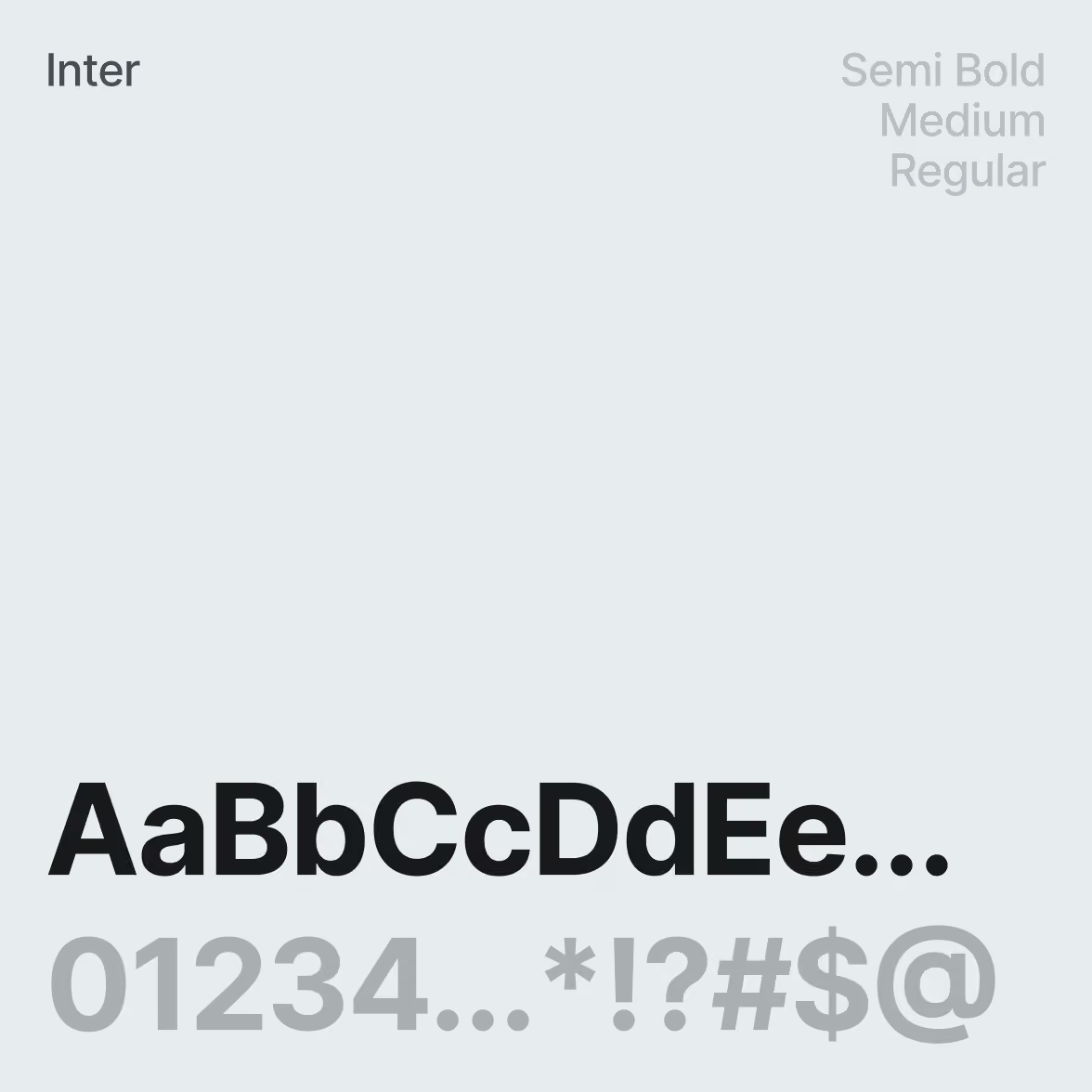
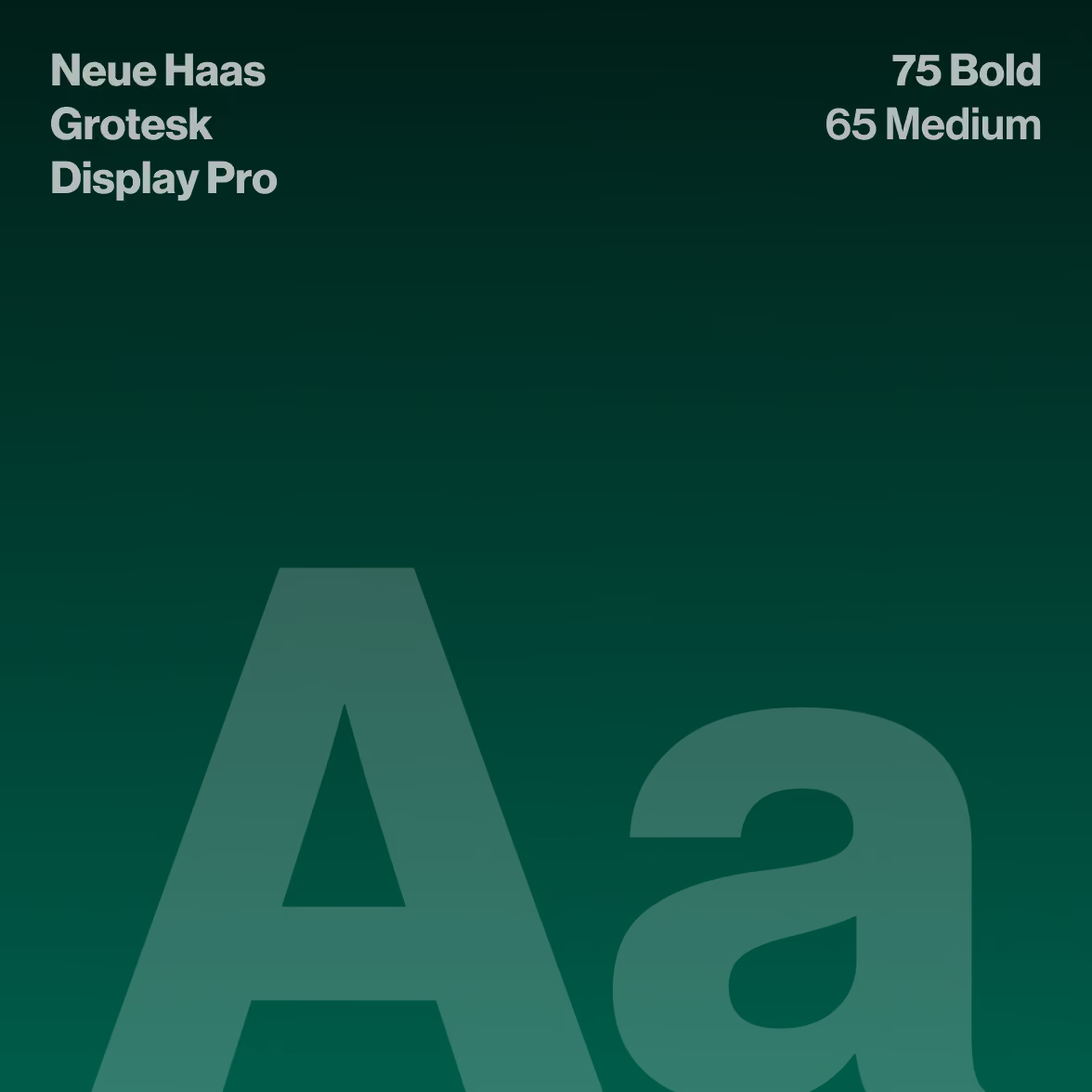
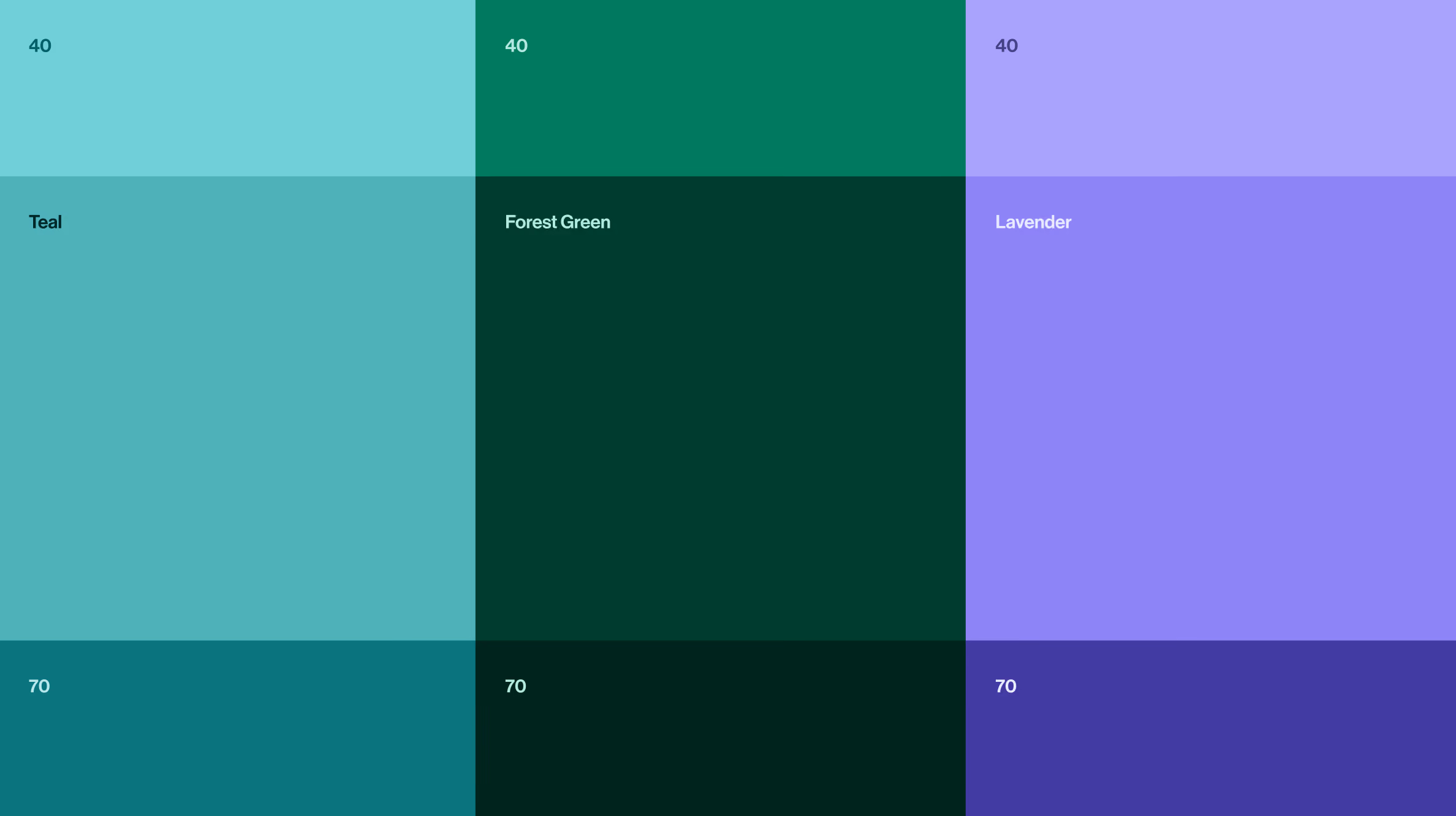
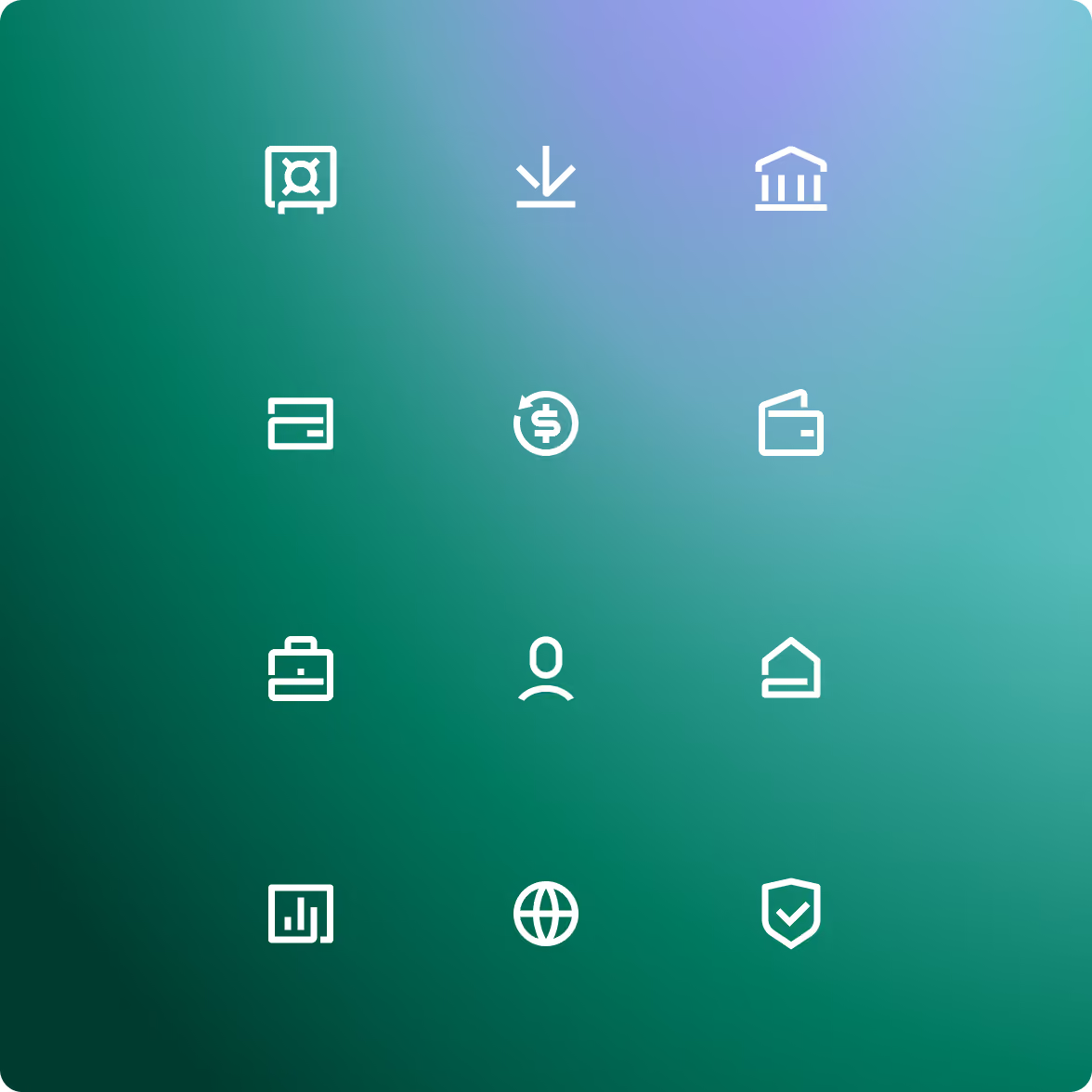
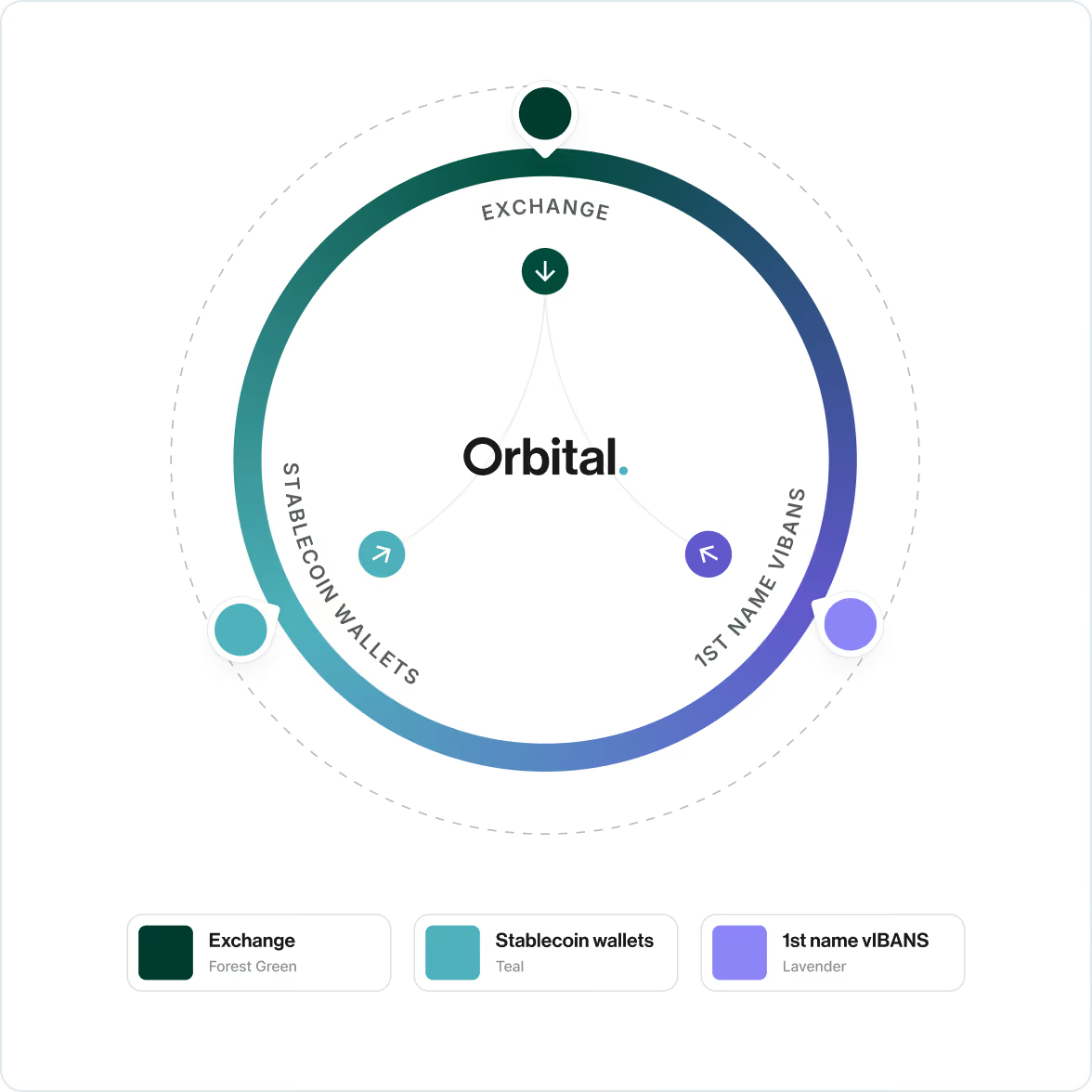
The team developed a detailed brand guide covering grids, typography, color palette, and illustration use. A custom design system was created for Orbital’s teams, enabling anyone involved to produce new assets quickly while keeping everything aligned.
UX/UI website design
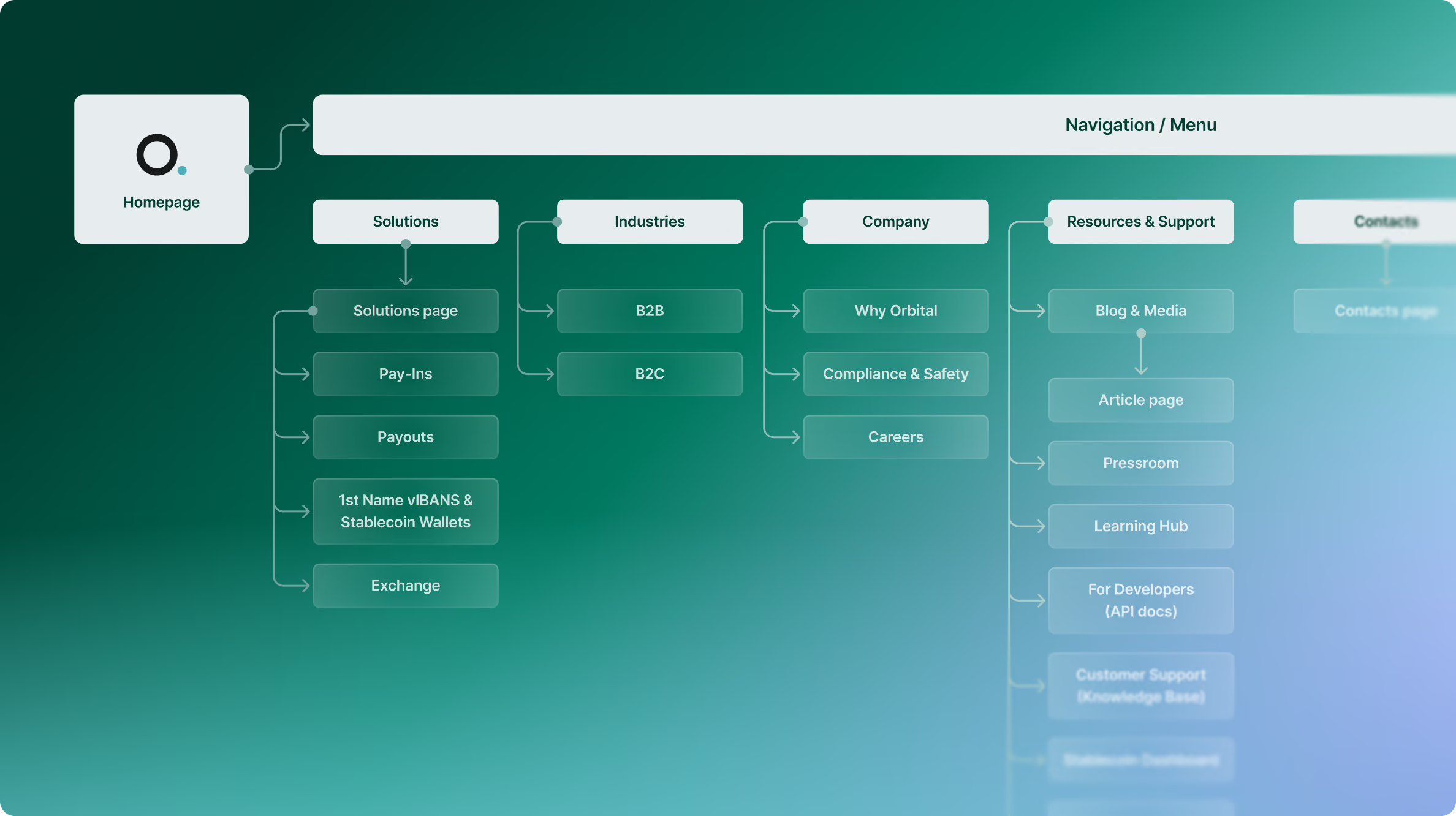
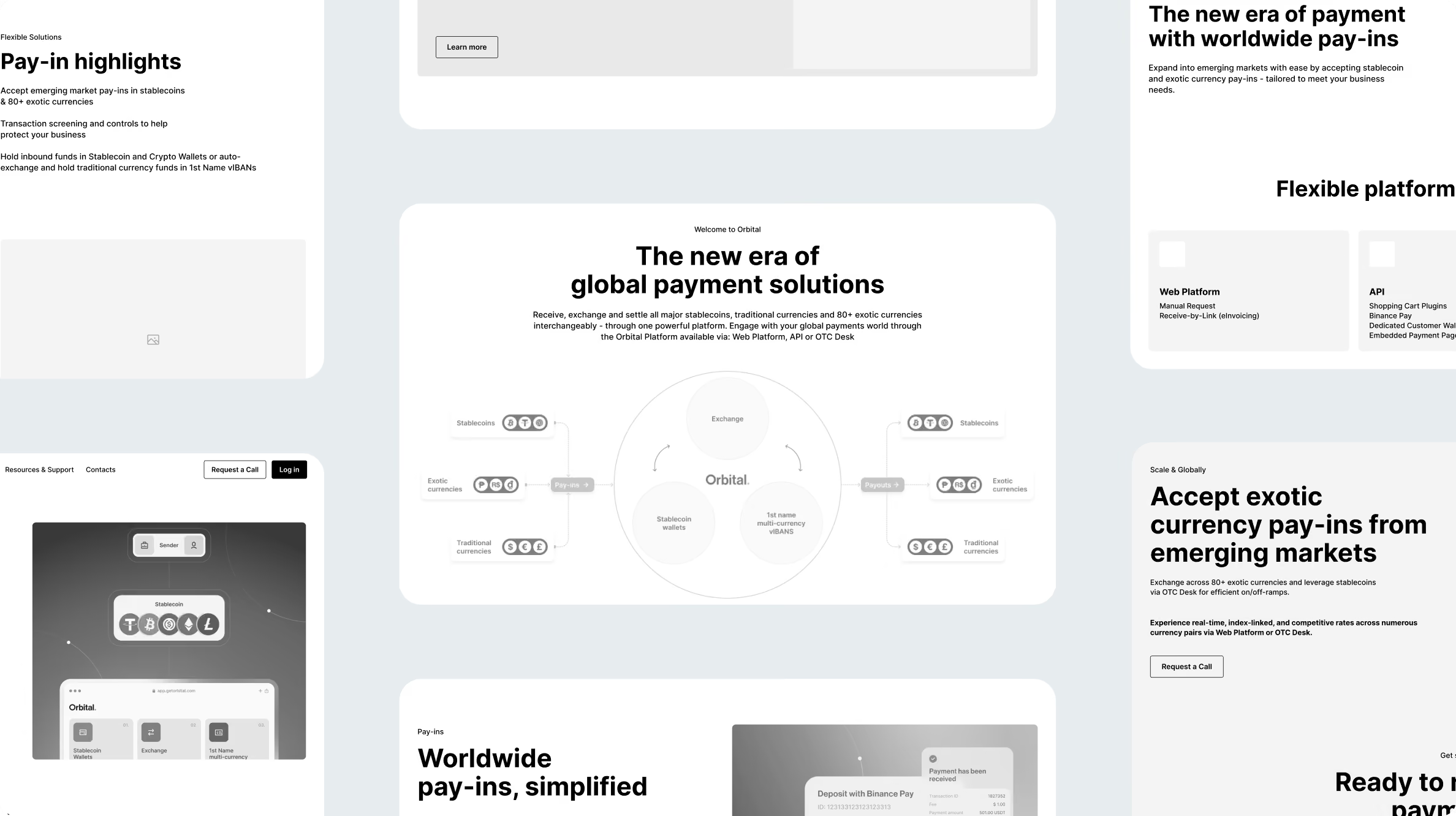
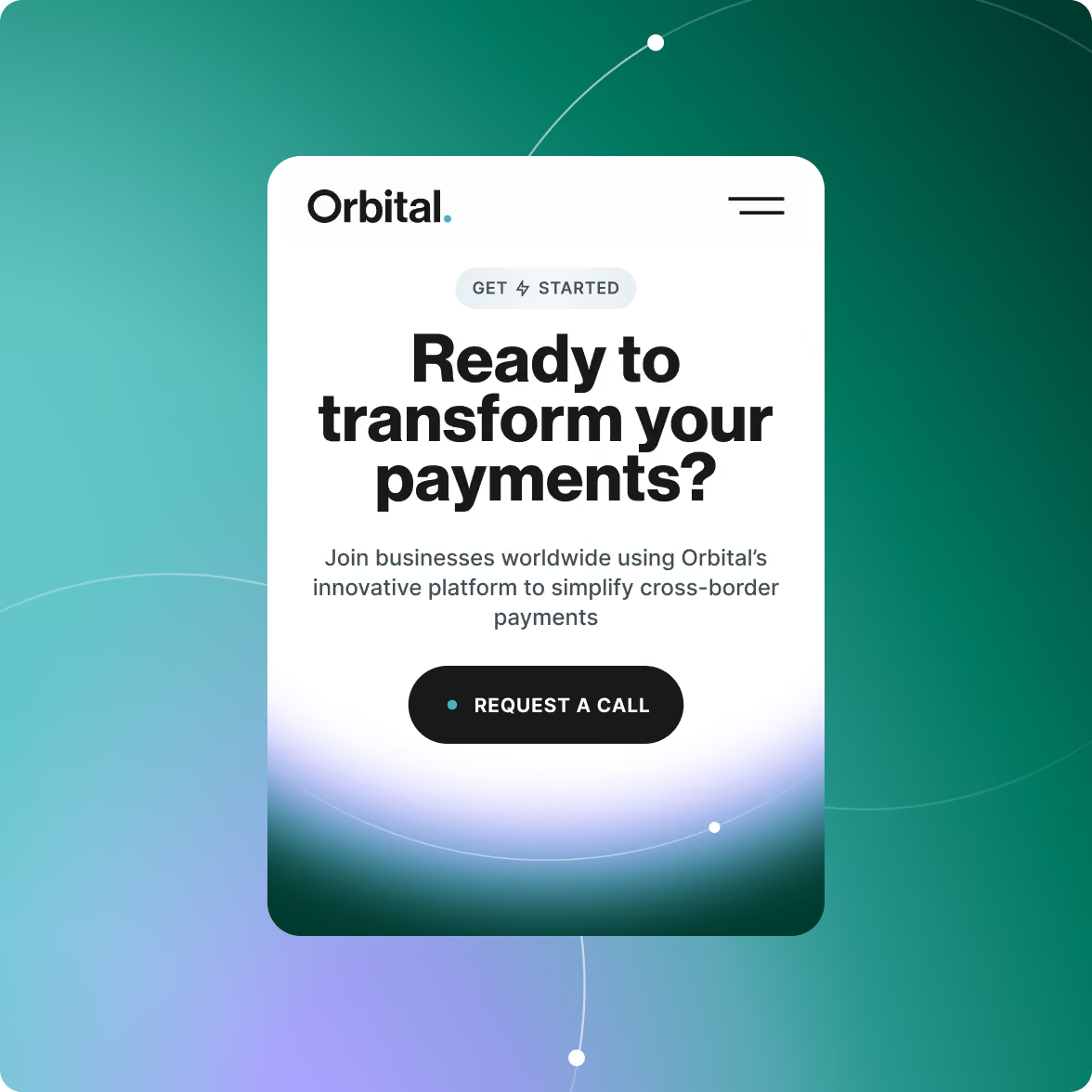
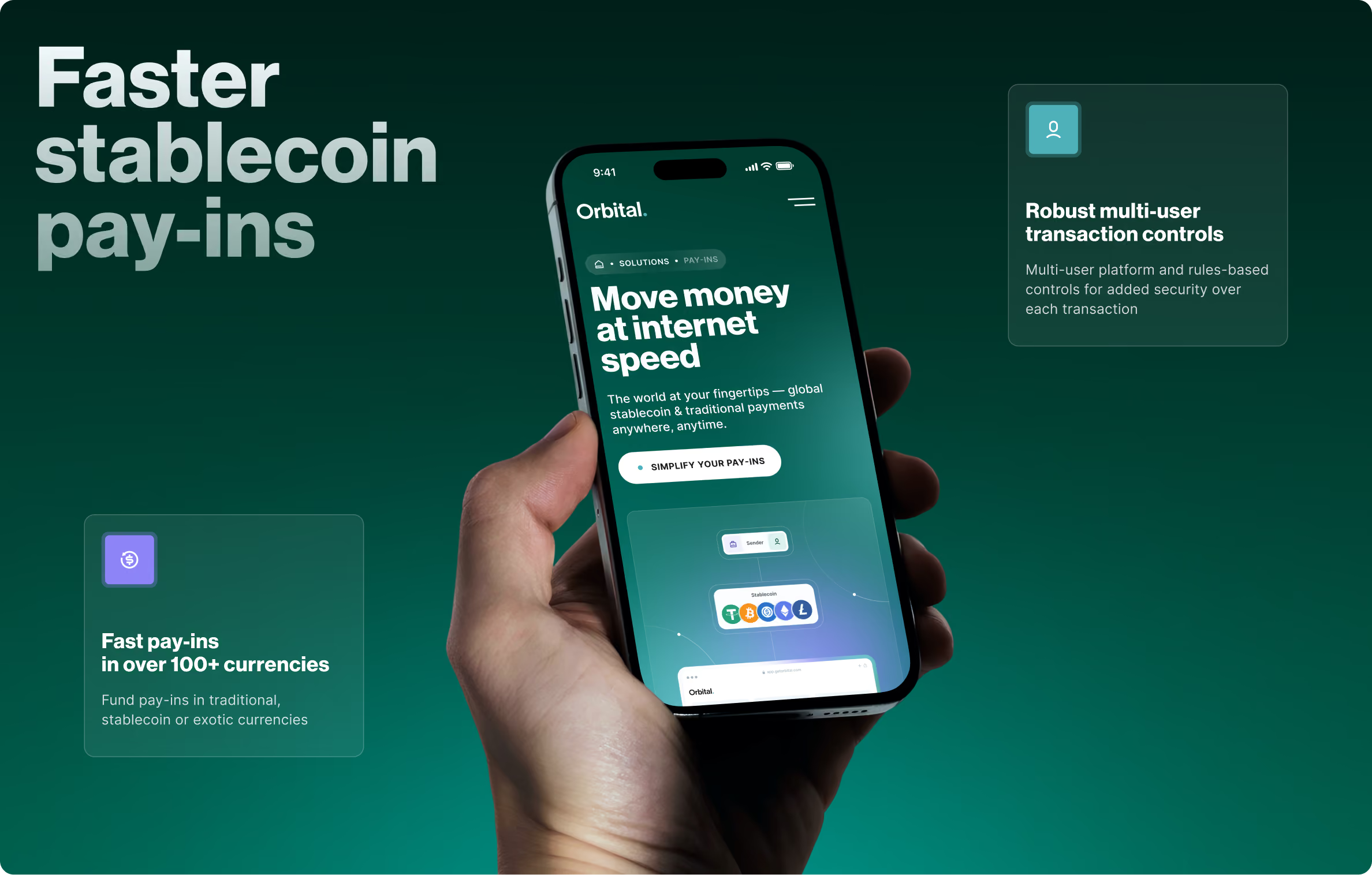
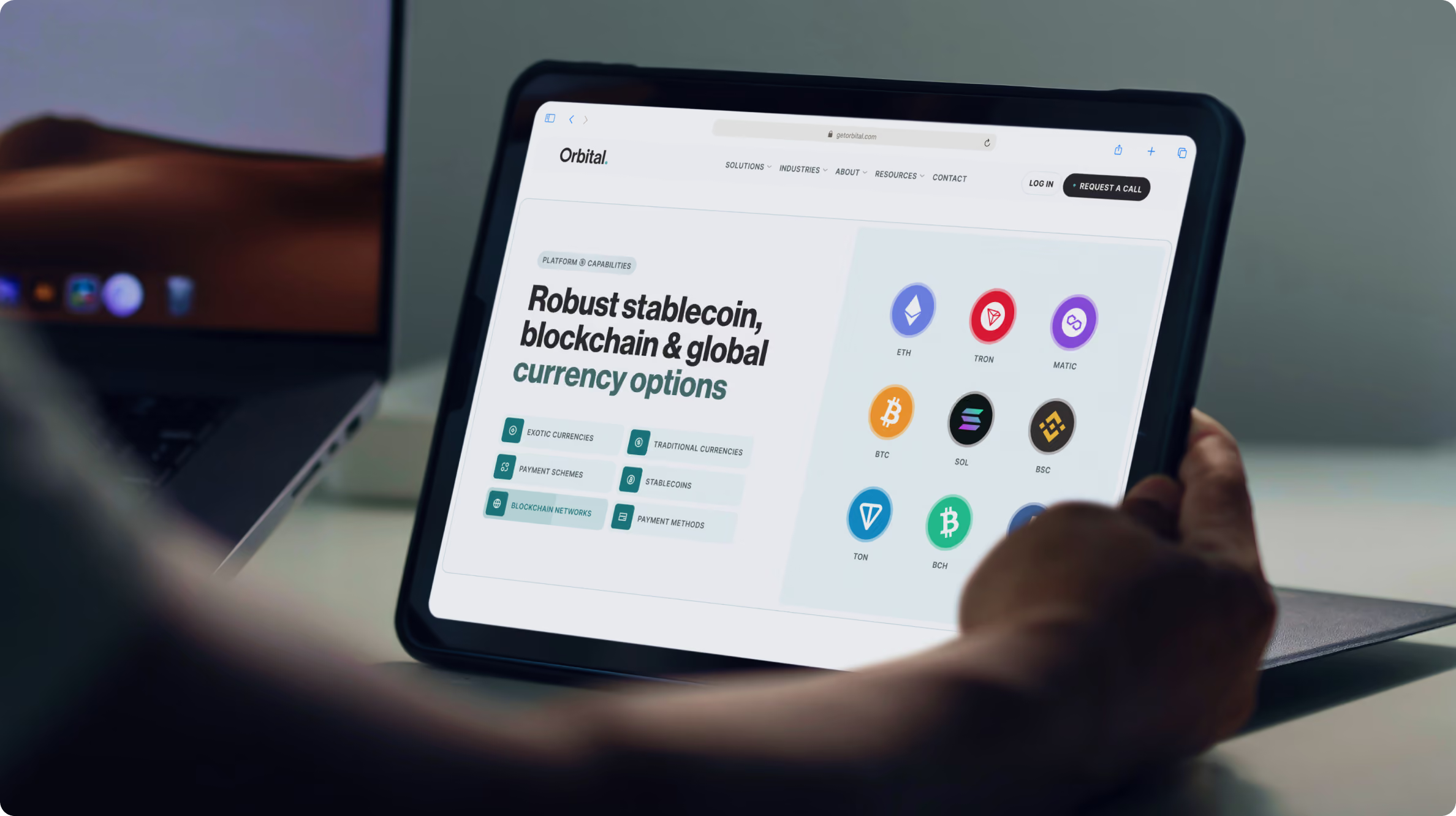
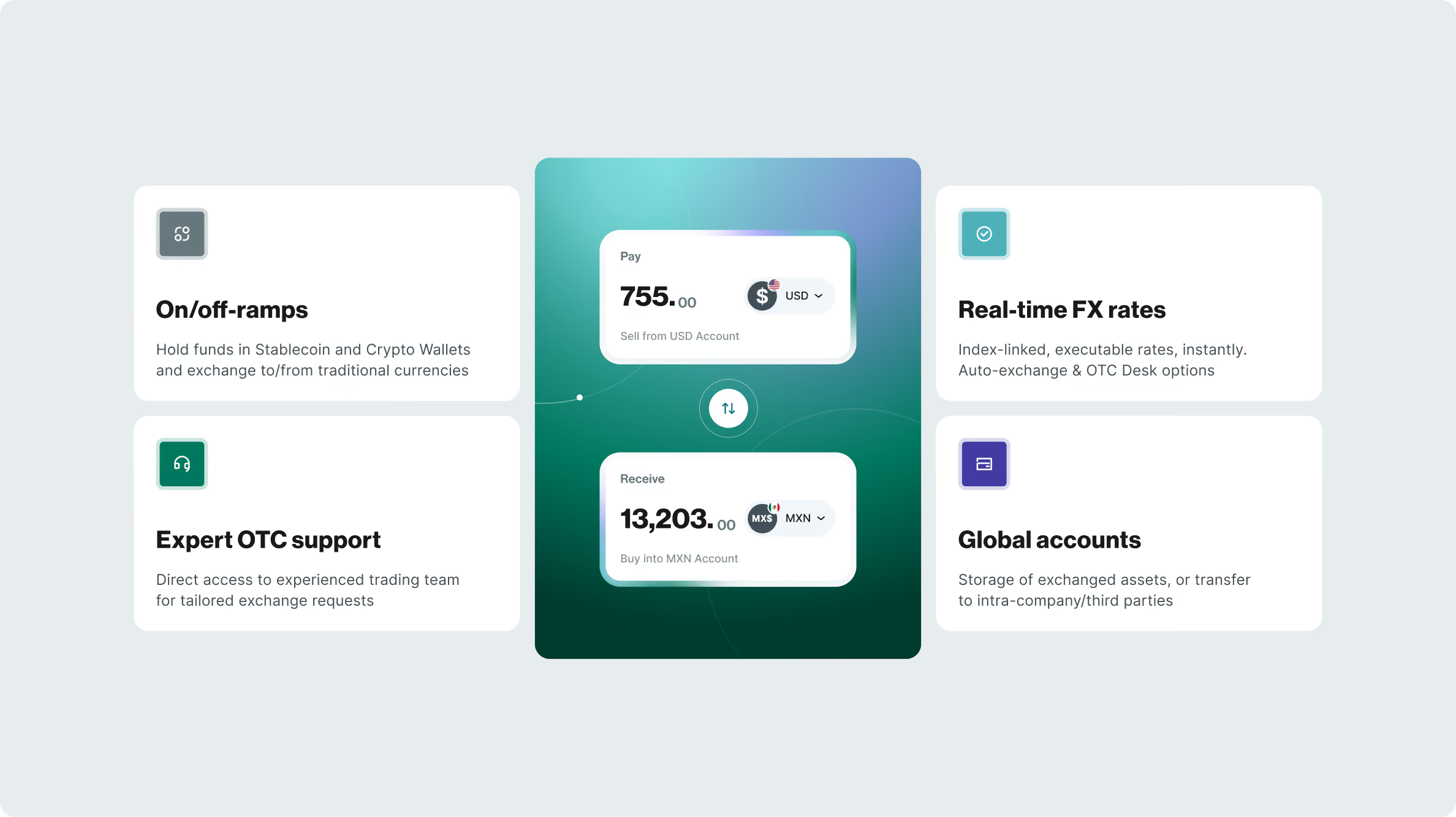
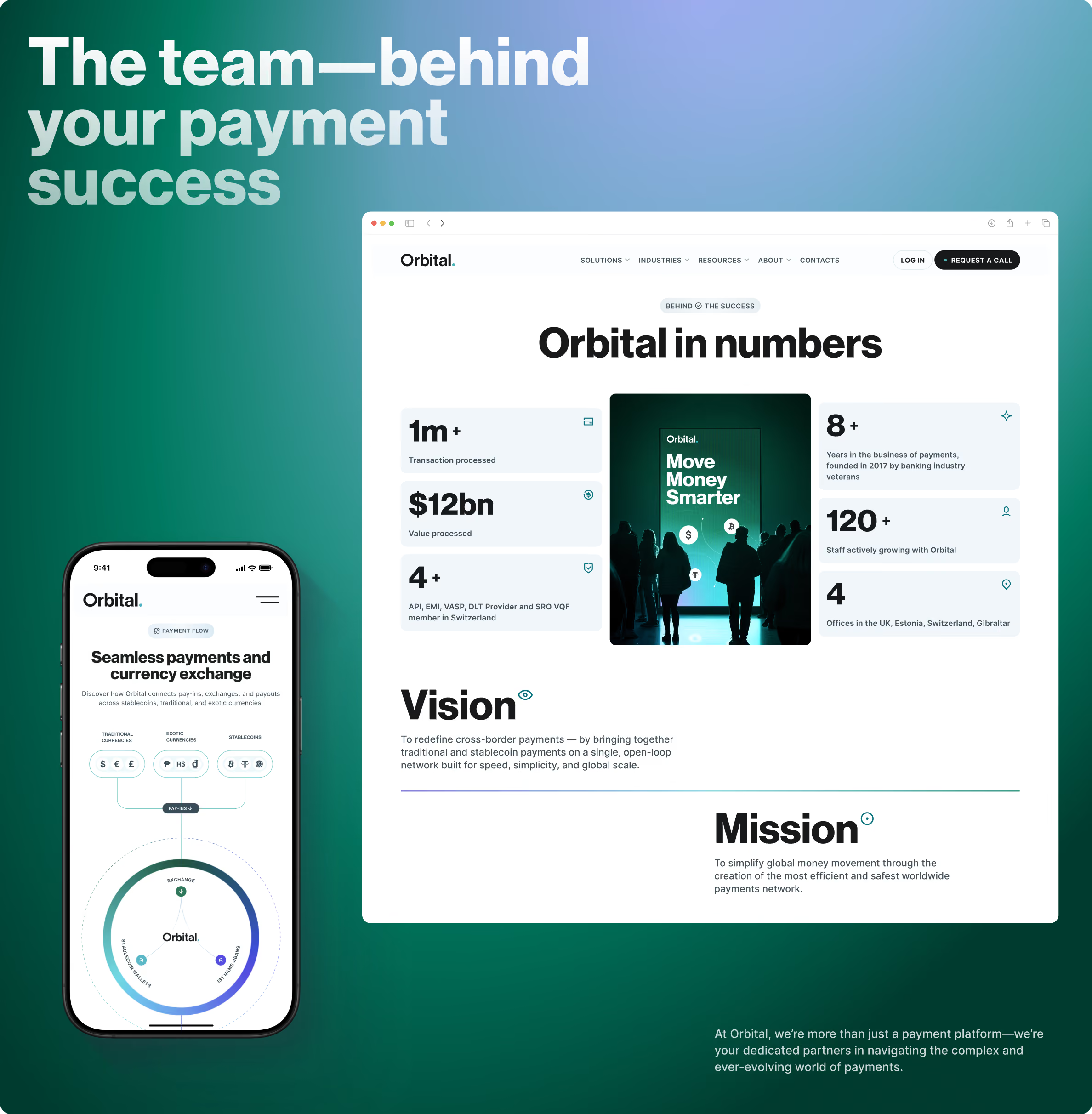
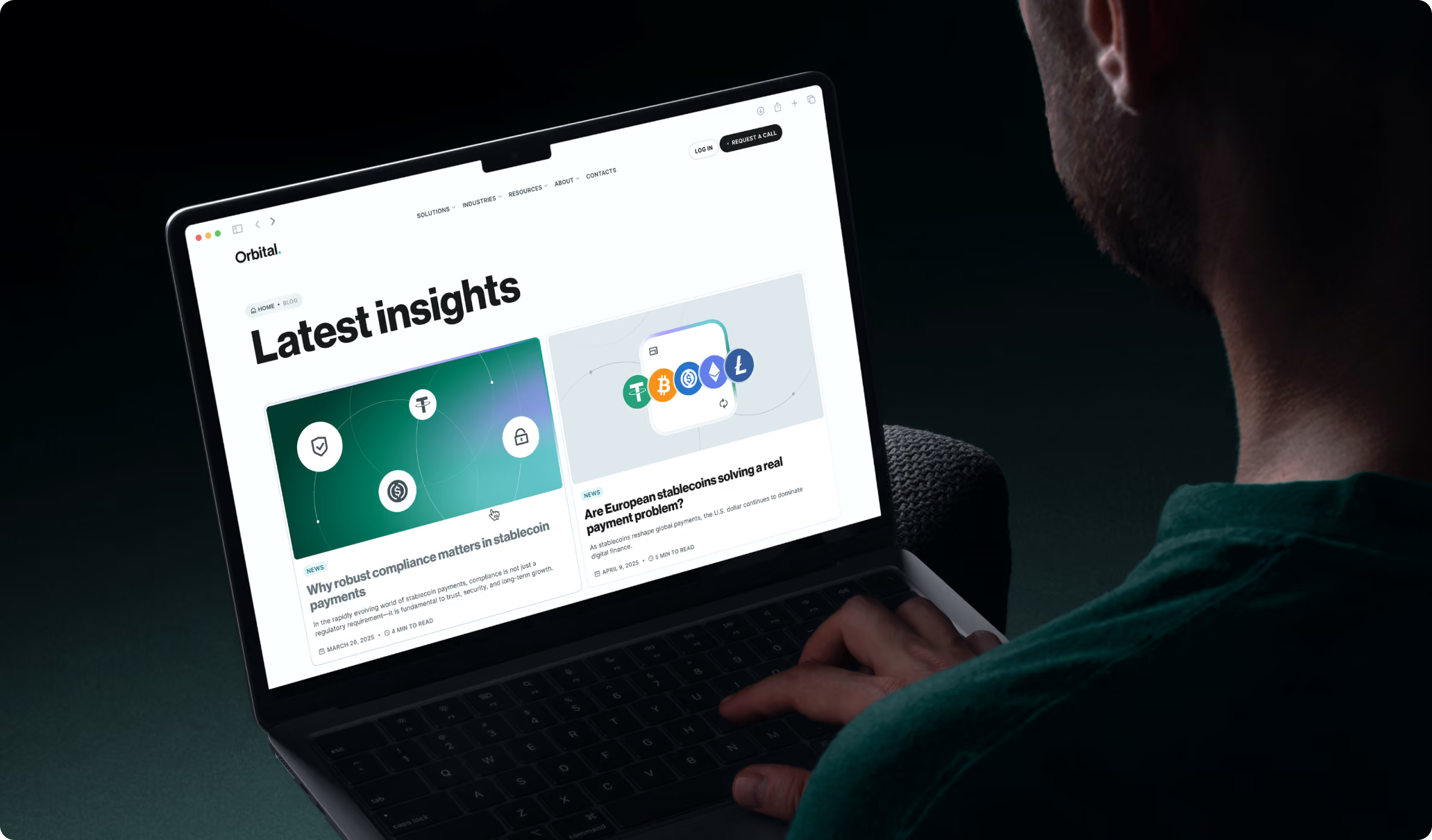
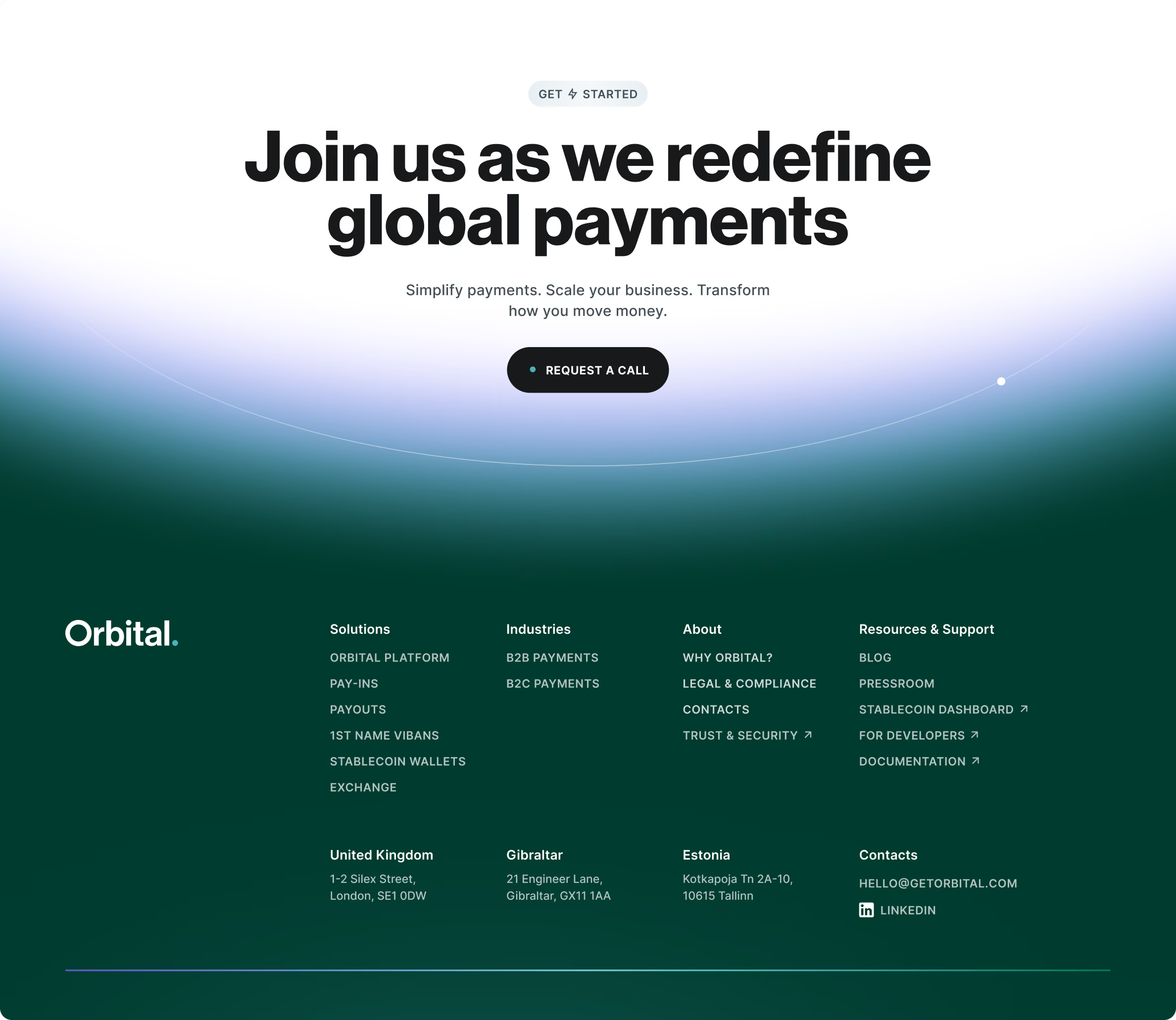
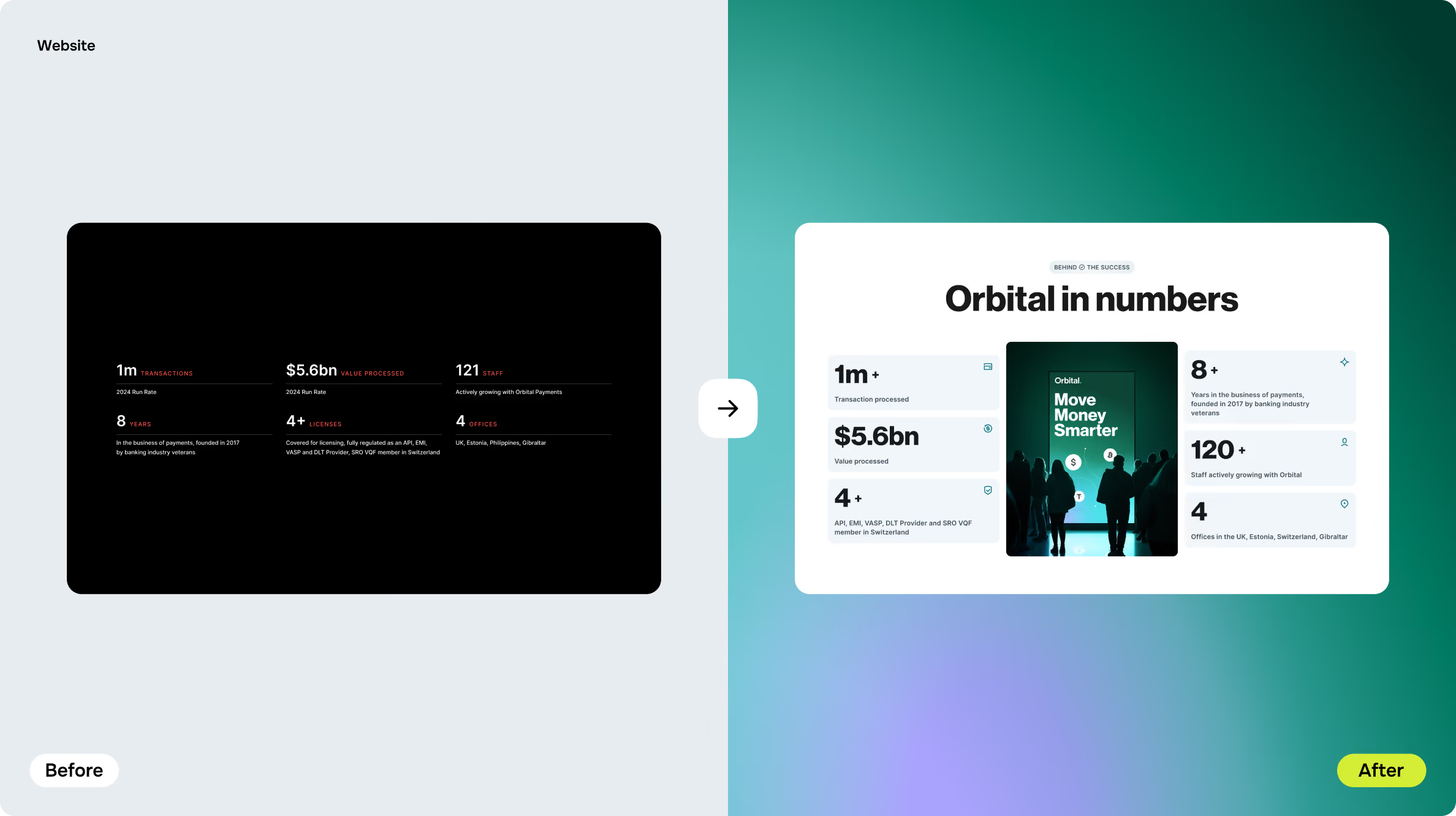
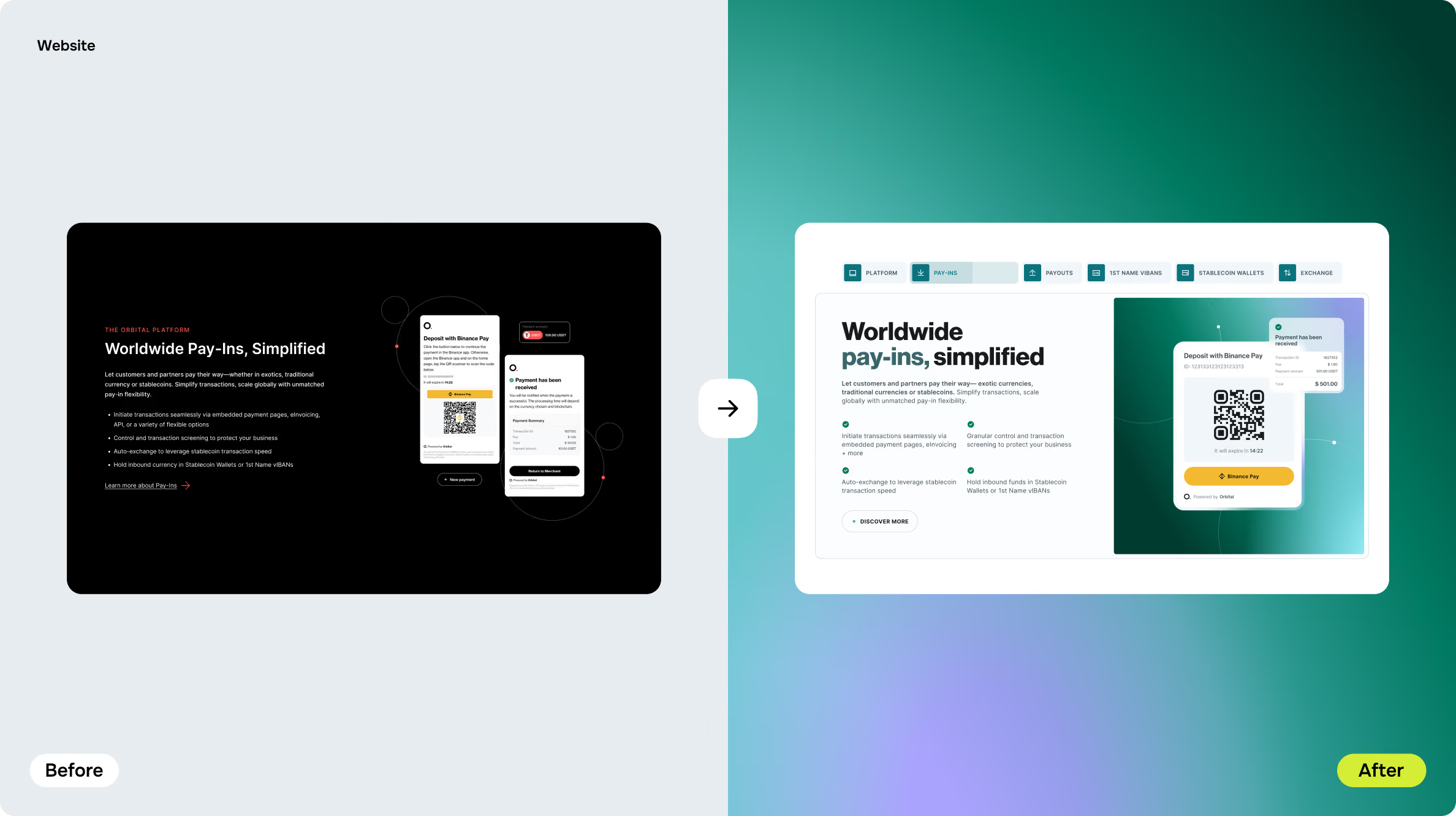
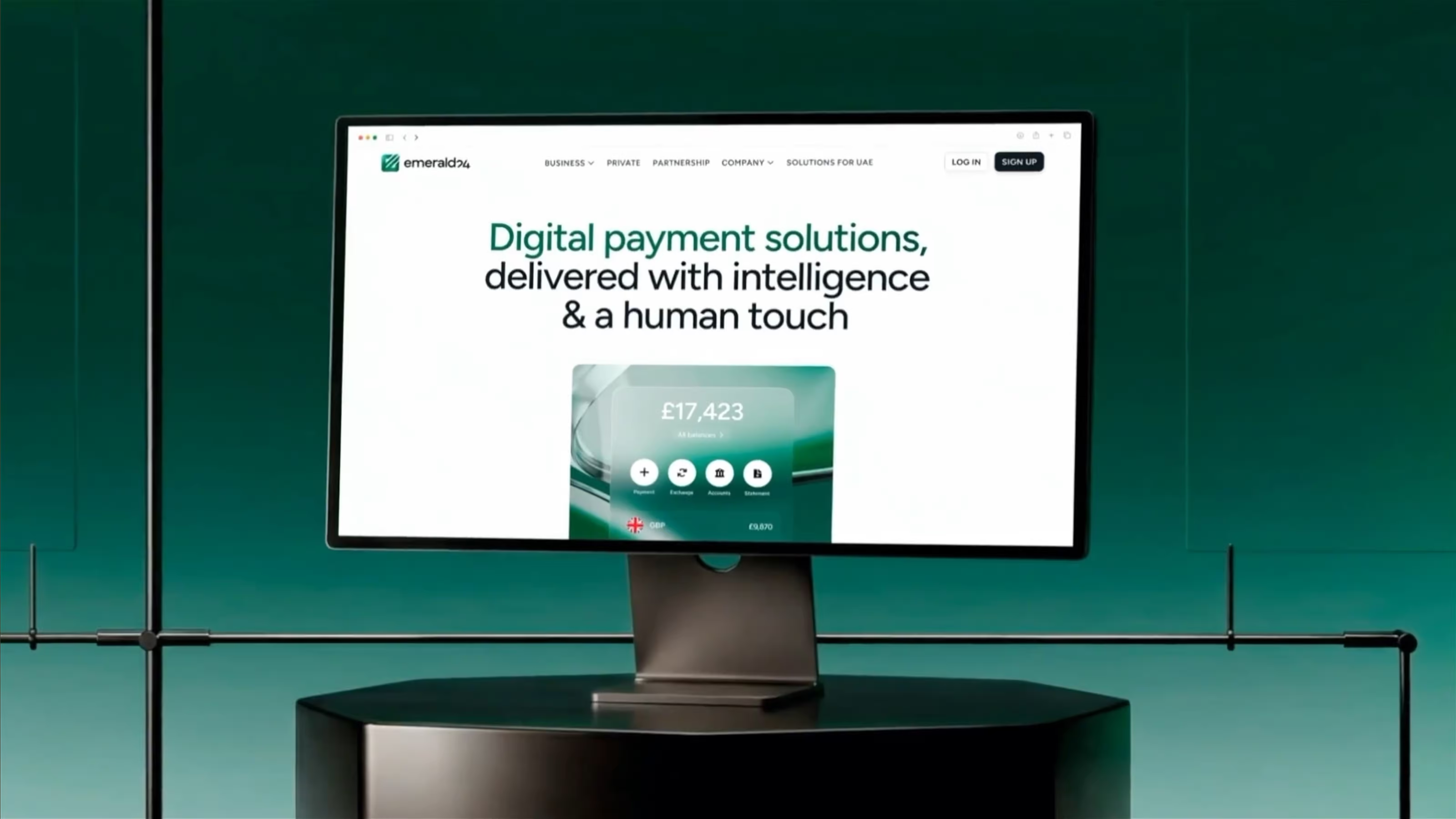
The website was rebuilt around business logic. Navigation followed how clients think — industries, services, and capabilities — rather than internal structure. The interface explained how Orbital works, using visuals and concise text to show connections between systems and products. SEO, performance, and accessibility were built in from the start, creating a scalable foundation for future campaigns.


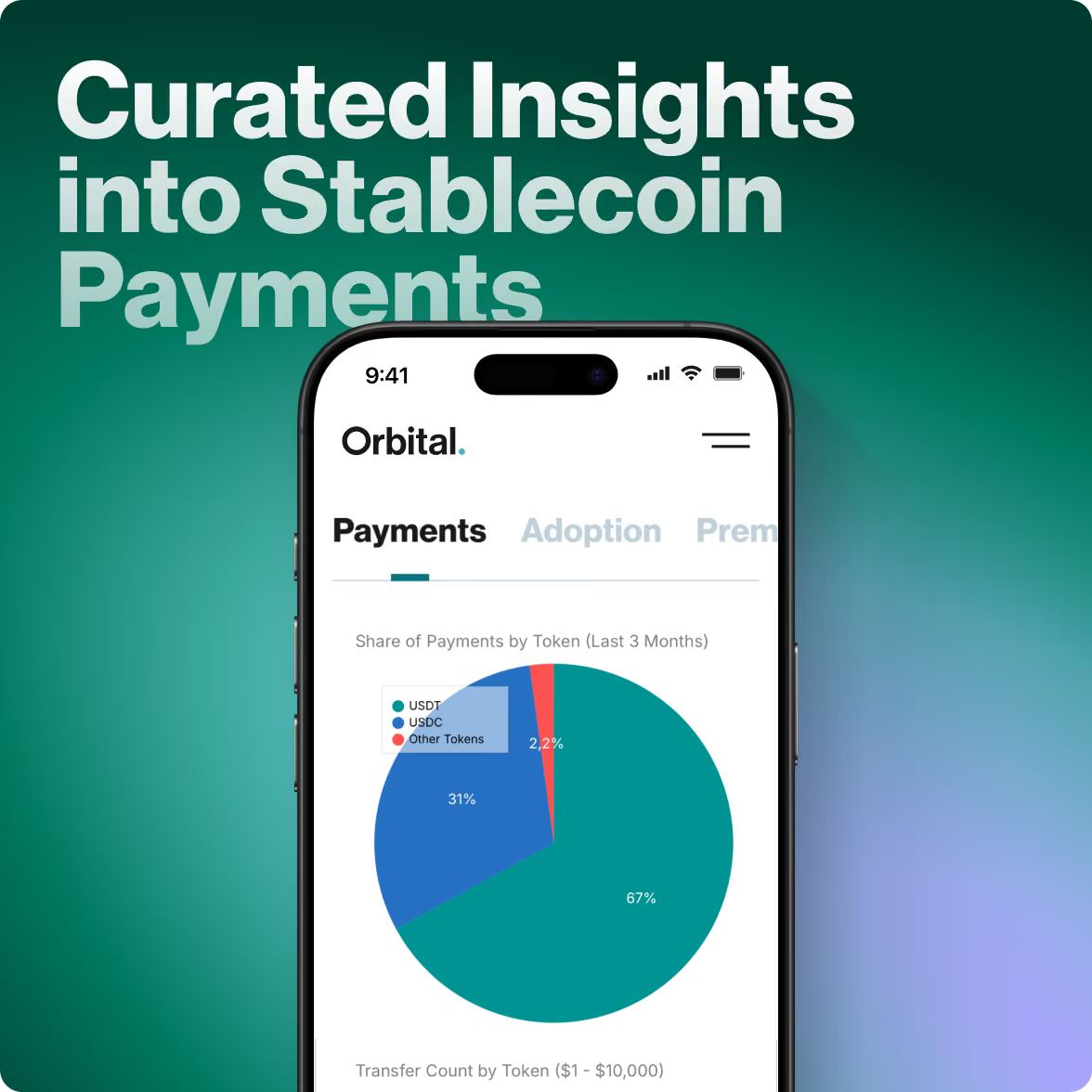
Product interface & data visualization design
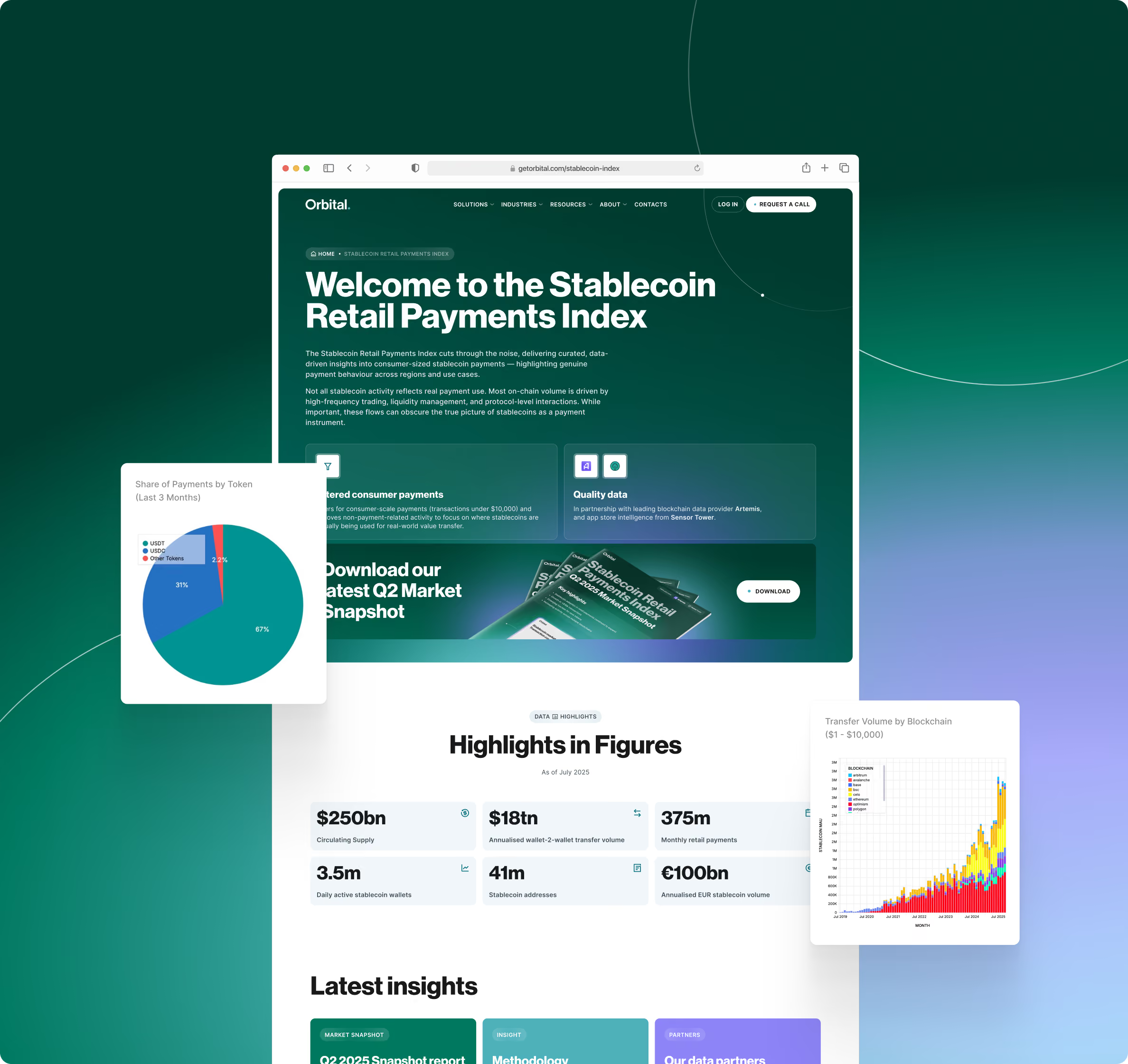
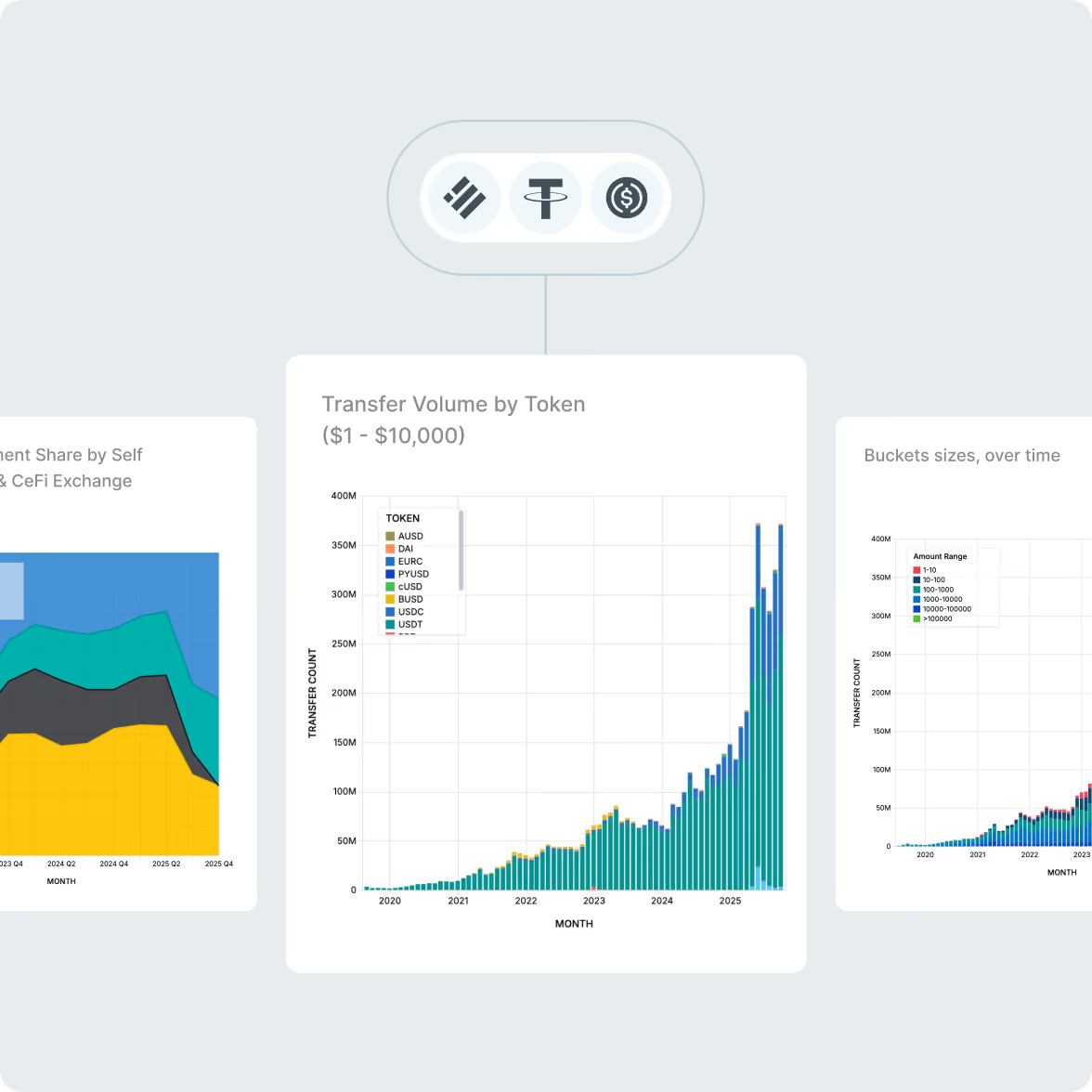
The project also included redesigning internal tools used to manage large financial datasets. The new layouts simplified navigation and improved visual logic, making data interpretation faster and more intuitive. This update increased trust in the platform and helped both internal teams and investors work with complex information confidently.
Ongoing collaboration
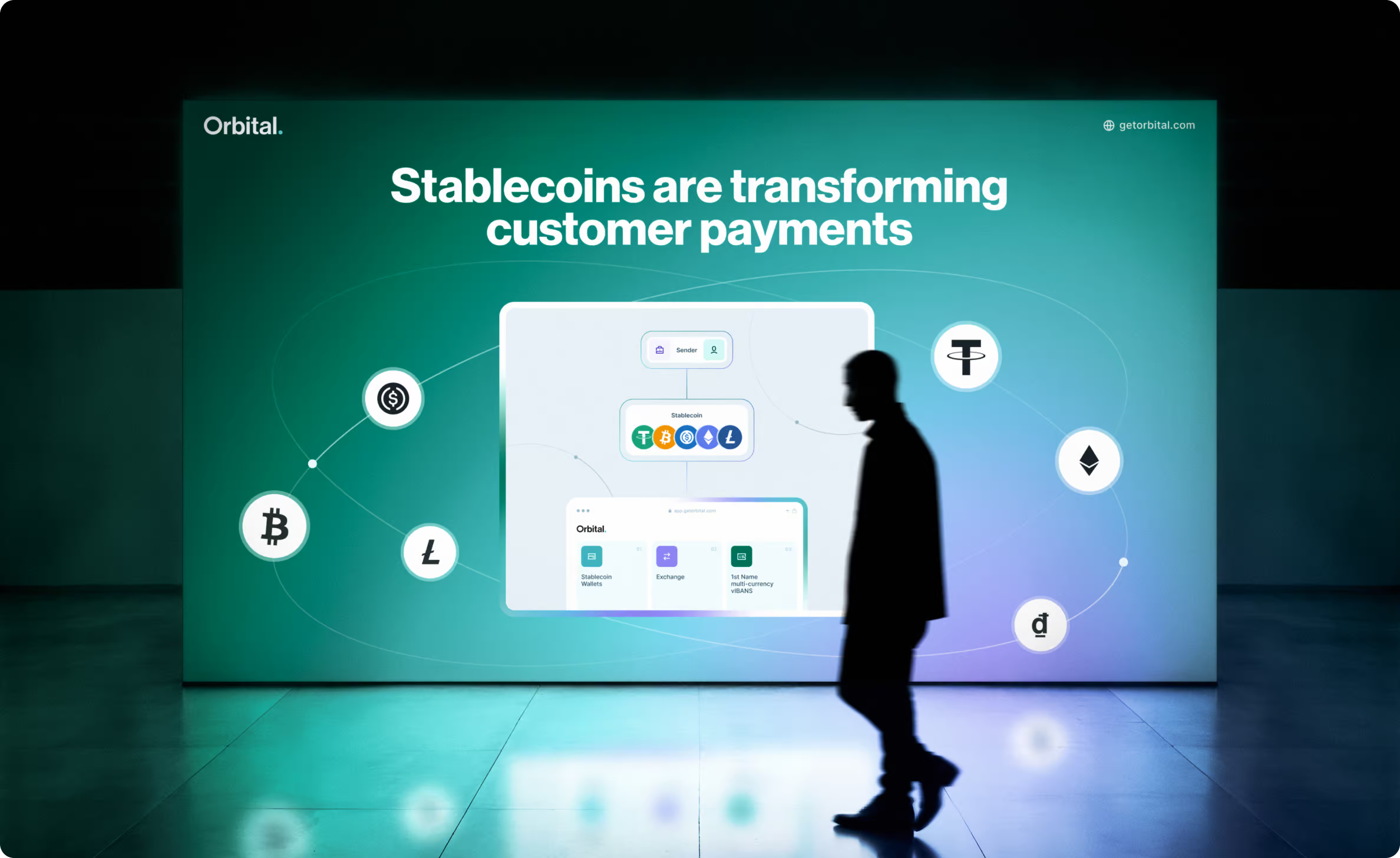
After launching the new identity and website, the collaboration with Orbital continues as a shared effort on marketing materials — including presentations, campaigns, and event assets — combining internal expertise with external perspective. This model helps diversify resources and move quickly on daily marketing tasks without losing the broader view needed to evaluate ideas clearly.
Project results
As a result, Orbital reached its initial goal — to align how the company looks with who it has become. Visual language, website, and communication materials now work together, showing a company that operates at scale — across key channels where it meets its audience.
The most expensive design decision an enterprise FinTech company makes is waiting too long to build a design system.
Orbital’s project shows what happens when a FinTech brand and website need to support a business that has moved beyond the stage they were originally designed for. The challenge was that the company had grown, while the systems supporting its communication had not kept pace.
A design system gives teams a way to manage that evolution. Instead of making each new presentation, campaign, product page, or market launch a separate design exercise, teams can build from an established set of decisions. That makes the brand easier to extend while keeping the experience consistent across channels.
The website follows the same principle, but from the customer’s perspective. Enterprise buyers come to a payment provider with specific business needs, so the site needs to help them find the relevant capability without requiring them to understand the company's internal structure.
For FinTech teams entering new markets or expanding their product offering, these decisions become increasingly important. The question is not only whether the brand and website work today, but whether the systems behind them can support what the business is becoming.
Want to start a project with us?

Your request has been sent and will contact you soon by this email yourmail@mail.com
Let's discuss your upcoming project on a call

We usually reply within 1 hour during working hours: 9:00–20:00 (GMT+3)



.avif)